Archives: Impact Stories


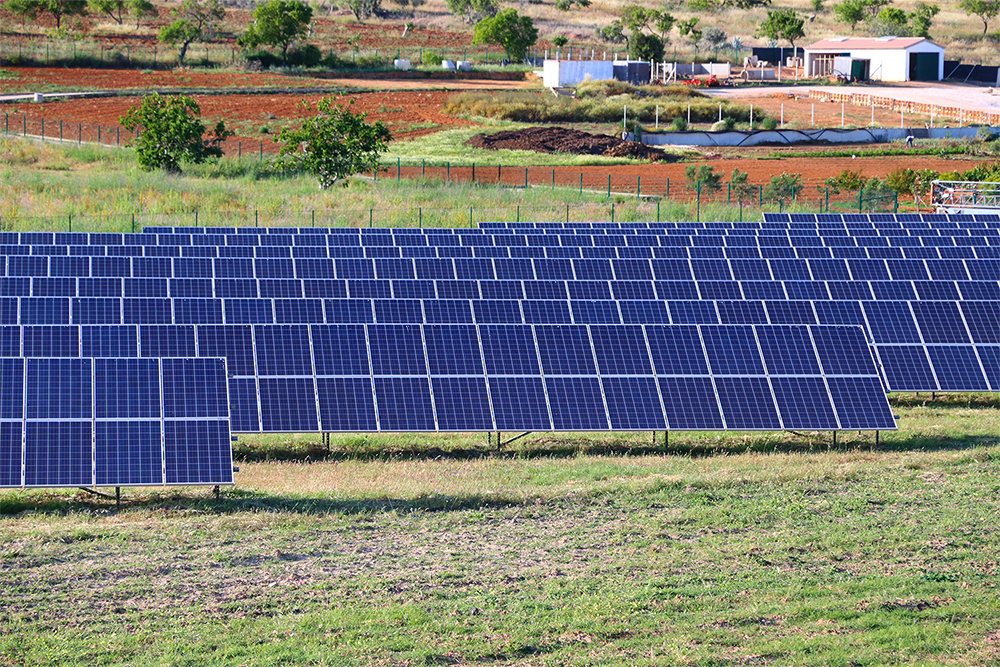
Promising climate tech start-ups are emerging across Africa. However, most of them struggle to grow because they can’t access the investment they need.

Across Sub-Saharan Africa, nearly one billion people rely on polluting fuels like wood and charcoal cooking. The effects are devastating.
Every year, indoor air pollution from cooking causes over 815,000 deaths across Africa. Up to 1.3 million hectares of forest are lost to create fuel. And use of these methods causes up to 25% of energy-related carbon emissions.
Women and girls are disproportionately affected. Collecting fuel and doing the cooking takes four or more hours each day, limiting opportunities for education and paid work.
There’s an urgent need for cleaner alternatives. But financing has been slow to reach the sector. Companies that make cleaner cookstoves do exist, but they’ve struggled to expand.
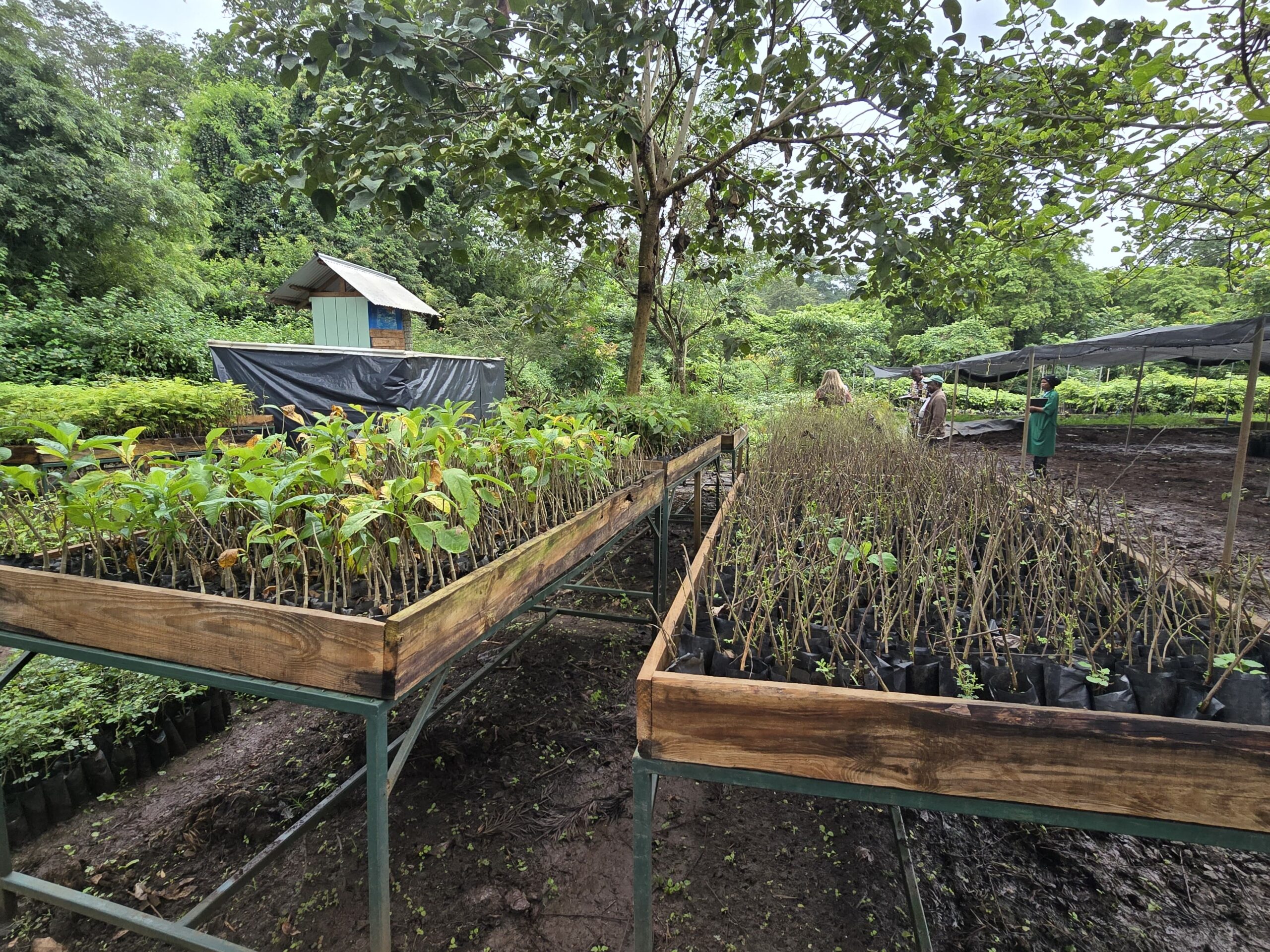
Africa is home to a quarter of the world’s biodiversity. That creates scope for nature-based enterprise to be a real engine for development. But finance is not reaching these projects – Africa only receives 6% of global biodiversity funding.

Ethiopia had long struggled with an underdeveloped financial sector. It had no securities exchange or formal capital market. The economy was driven by public investment, with state-owned banks as the main source of capital.
That meant companies struggled to raise long-term funds, and households and businesses had no formal way to invest savings. Public debt had increased from 39.6% of GDP in 2011 to 60% in 2018, and credit for the private sector was only around 16% of GDP – below the sub-Saharan average, and a domestic saving mobilisation of about10.9% of GDP, also significantly lower than the Sub-Saharan Africa average of about 20%, according to a 2024 World Bank report.
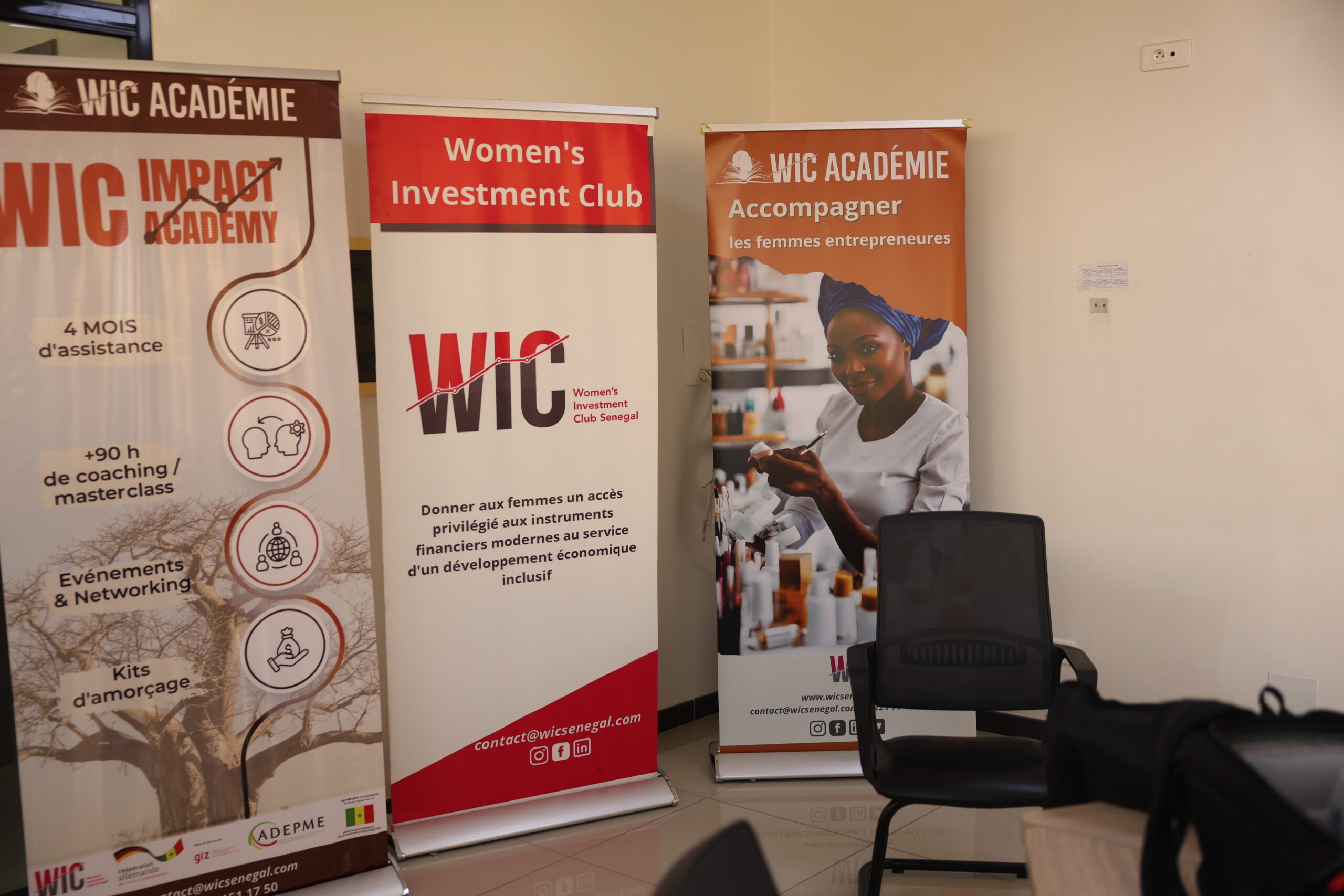
Across Francophone West Africa, women entrepreneurs are running promising businesses – but most can’t access the finance they need to grow. Societal gender norms and limited financial inclusion mean that only a tiny proportion of women running small businesses can turn to banks or formal lenders for support. In Senegal, just 3.5% of women entrepreneurs access formal finance. Yet over 20% of small businesses in the country are female led, 30% above the global average.

The problem
In rural Ethiopia, many families face significant financial barriers to accessing healthcare. Saglan Wajee General Hospital in Holeta Town, Oromia, is poised to change this narrative by becoming the country’s first full-fledged health insurance provider. Through the support of FSD Africa’s BimaLab Insurtech Accelerator Program, Saglan Wajee aims to offer affordable and comprehensive health insurance, transforming the local healthcare landscape for underserved communities. The hospital’s CEO, Dr. Yeraeifirae Sileshi (Dr. Raei), emphasises the importance of insurance in ensuring that quality healthcare is accessible to all, regardless of financial status.
The solution
BimaLab provided Saglan Wajee with essential venture-building support, including exposure to successful insurance companies like Jubilee and AAR in Kenya. This program facilitated critical connections, particularly with the National Bank of Ethiopia, which had not issued health insurance licenses for 14 years following the failure of an earlier initiative. After participating in BimaLab, Saglan Wajee was granted a license, enabling it to launch its insurance product, Efoy.
Initially introduced as Efoy 1.0, this micro-health insurance product was designed for low- and middle-income families, covering a broad range of medical services with minimal financial burden.The impact of Efoy has been profound. In its first year, the product attracted over 1,200 customers. By upgrading to Efoy 2.0, Saglan Wajee has expanded its coverage, offering segmented services for chronic patients, families, and individuals.
The impact
Café owner Nurae Gutu Chala and her family were among the early adopters, paying as little as 400 birr (4 USD) per child annually. Despite premium increases to 960 birr (9.5 USD) per child, Nurae’s family continues to renew their policy, appreciating the additional services such as MRI and medication coverage. The upgraded Efoy 2.0 has already reached 900 new clients, demonstrating significant growth and increased community trust.
Dr. Raei’s vision for Saglan Wajee is deeply personal, rooted in his experiences studying and working in China and Ethiopia. Inspired by China’s health insurance model, which covers 95% of patients, he returned to Ethiopia determined to address the glaring disparities in healthcare access. Through BimaLab, Dr. Raei gained valuable mentorship and insights, enabling him to build a sustainable insurance model. Looking ahead, Saglan Wajee plans to expand its insurance network, integrating 130 health facilities and launching a new branch in Addis Ababa. Dr. Raei’s ultimate goal is to establish Saglan Wajee as a leading competitor in the regional insurance market, driving a revolution in healthcare access across Ethiopia.
