Country: Ghana

Financing Africa’s urban opportunity – the why, what and how of financing Africa’s green cities

Africa’s urban challenges are complex. Cities need tailored, endogenous solutions which work for their residents. It also means that the scale of projected investments to drive compact, connected and clean urban development is varied and depends on country-specific characteristics, as are the challenges of financing these investments.

This report addresses financing Africa’s green urban transition; highlights urban opportunities; makes the economic case for sustainable urban infrastructure investment; and outlines financing solutions for low-carbon urban development applicable to the whole region.

With case studies from three African countries, this report shows how investment in compact, clean and connected, urban development could accelerate growth across the continent and secure more resilient and prosperous lives for their residents.

Journey to a new Digital Finance Professional

The development of digital finance tools and systems is a key pillar of inclusive finance. One of the key challenges facing the penetration of digital finance in Africa is digital finance capacity and knowledge gaps among professionals and policymakers in financial institutions and governments across the continent.

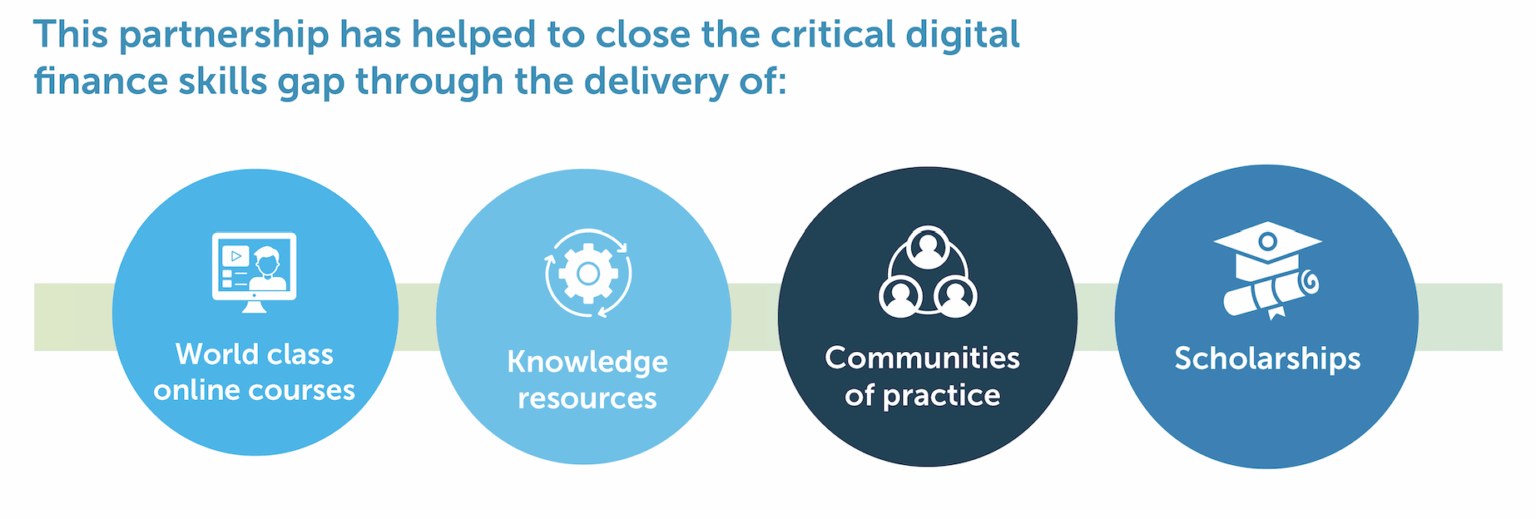
In 2016, FSD Africa partnered with the Digital Finance Institute (DFI) to address this challenge. Through this five-year partnership, we supported the pilot and scale of the institution’s flagship professional program – Certified Digital Finance Professional (CDFP).

Since then, we have been able to achieve some of the below milestones:

As a result of this work:

  1. Capacity in digital finance professionals and services providers has increased.
  2. Institutional capacity for digital finance regulation has increased in both regulators and digital finance providers.
  3. Digital finance policies, regulations and directives have been developed or adapted by DFI alumni.
  4. Cross-Sector collaboration has increased resulting in new country-based initiatives on policy, product, customer needs and inclusion.

This partnership leaves the sector with a specialised capacity building utility company (Digital Frontiers), an e-learning school focused on building capabilities and skills aligned to the SDGs (Digital Frontiers Institute), a services business (Gateway), and the formation of a new global Alliance that represents the Inclusive Digital Finance Profession.

Impact of Covid-19 on the insurance sector – Ghana, Malawi and Zimbabwe

COVID-19 and the social distancing measures implemented by many governments have adversely affected insurance sectors and their customers around the world.

These infographics summarise the impact of COVID-19 on the insurance sectors of Ghana, Malawi and Zimbabwe and the response by regulators and insurers within each of these countries.

The infographics are informed by semi-structured interviews with insurance providers and the respective insurance regulators, a quantitative study and extensive desktop research.

Impact of COVID-19 on the insurance sector in Ghana, Malawi & Zimbabwe

COVID-19 and the social distancing measures implemented by many governments have adversely affected insurance sectors and their customers around the world.

These infographics summarise the impact of COVID-19 on the insurance sectors of Ghana, Malawi and Zimbabwe and the response by regulators and insurers within each of these countries. The infographics are informed by semi-structured interviews with insurance providers and the respective insurance regulators, a quantitative study and extensive desktop research.

Ghana

Malawi

Zimbabwe

Impact Report: what we’ve learned and what we’ve achieved

FSD Africa was created in 2012 by the UK government’s Foreign, Commonwealth & Development Office with a mission to reduce poverty by strengthening Africa’s financial markets. This Impact Report, our first, charts our progress in fulfilling that mission.

It explains what we do, and how we do it. It highlights some of our most important work, demonstrating the impact we’ve had on the lives of millions of Africans. And it also outlines our plan for the future, as we look to new challenges.

Access to financial services

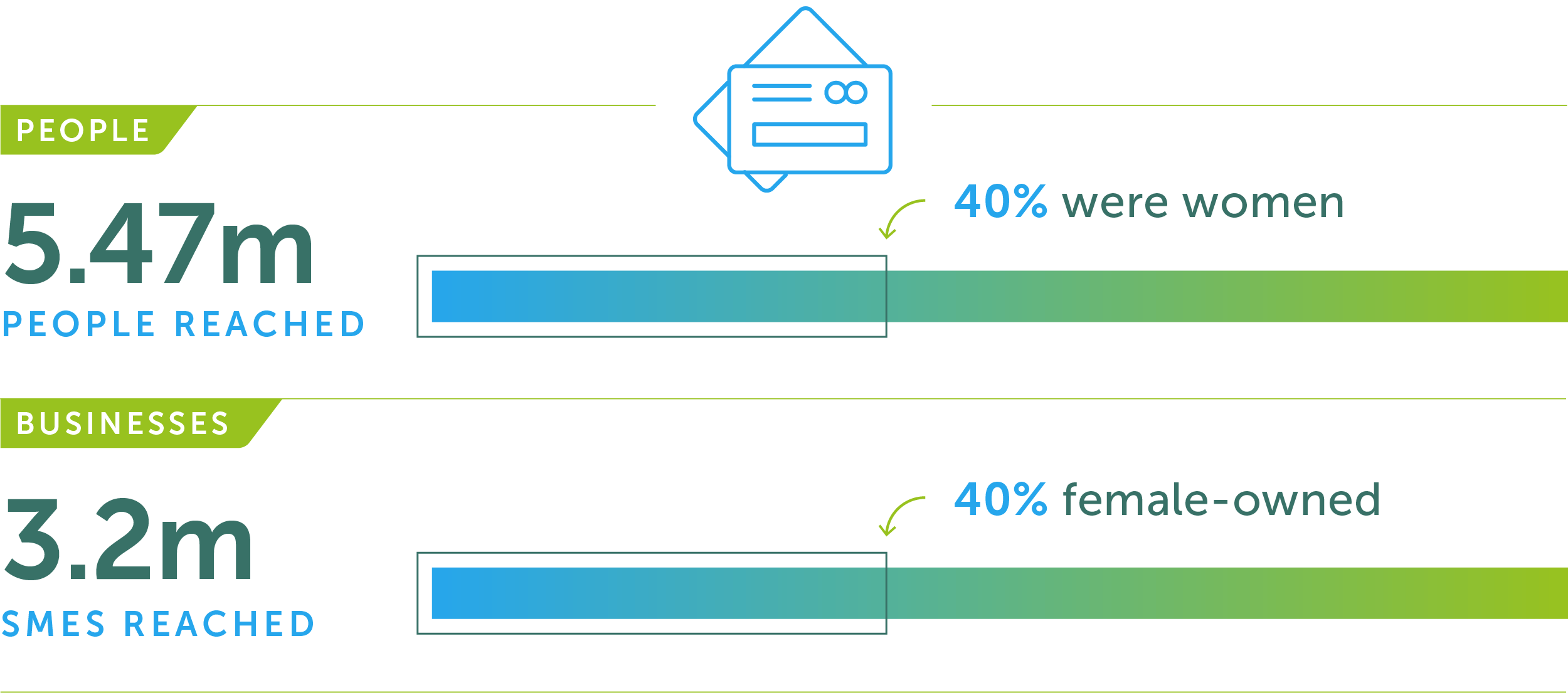
Between 2012 and early 2020, we reached millions of people and small businesses with financial services and products.
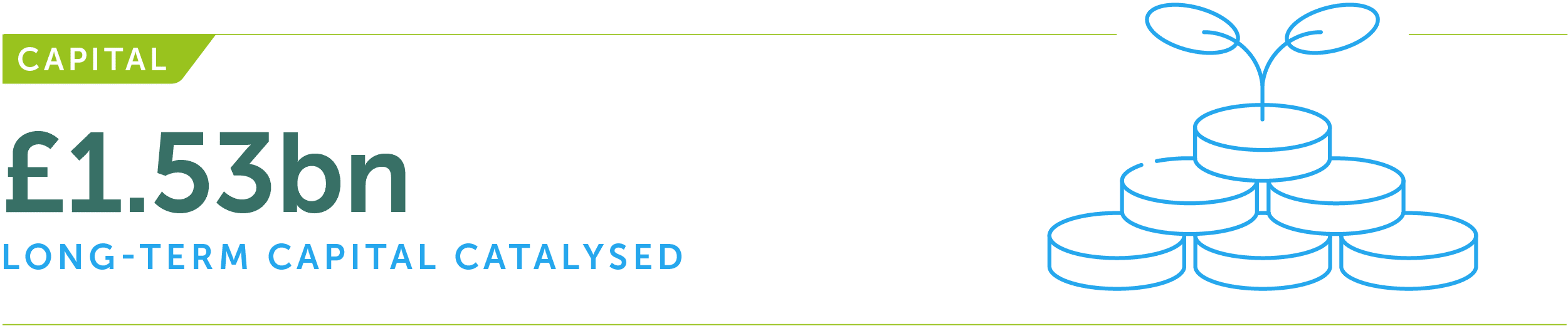
Access to capital

As of March 2020, we’ve helped to raise over £1 billion in capital to aid the growth of businesses and infrastructure.
Strengthening institutions

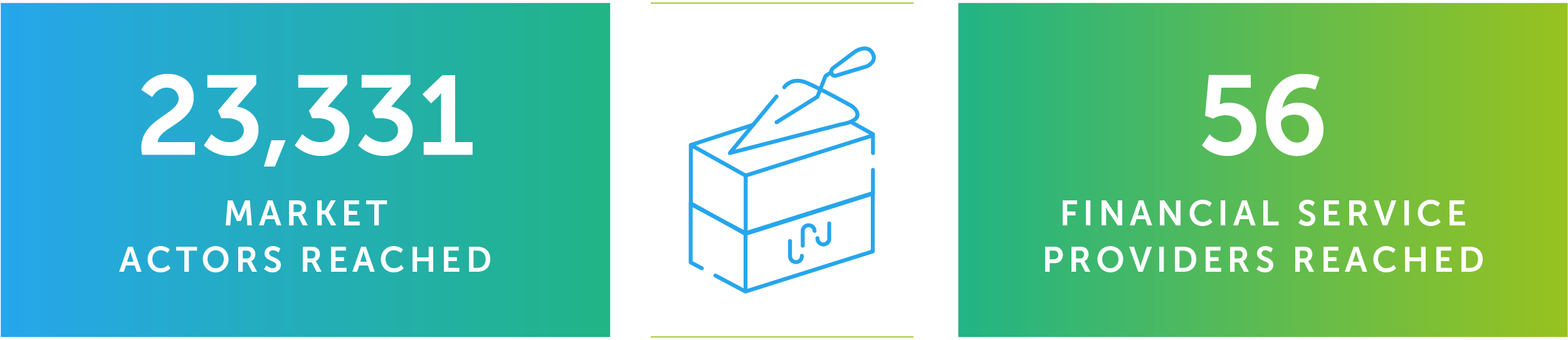
Since 2012, we’ve supported training for thousands of market actors, building the capacity of more than 50 companies providing vital financial services.
Success story: growing affordable housing with Sofala

Across sub-Saharan Africa, there’s an urgent need for affordable housing – not only to provide shelter and security, but to boost economic development.

To help tackle the issue, we invested in Sofala Capital, a housing finance business that provides funding and services for building projects, as well as mortgages.

Thanks to our help, Sofala has been able to attract new investors, increase its loan portfolios and extend its work in some of South Africa’s poorest neighbourhoods. And encouragingly, 48% of new borrowers with Sofala have been women.

To read more, and to take a look at other case studies, download our Impact Report.

Our next step: FSD 2.0

So far, we’ve focused on ‘finance for the poor’ – improving underlying market fundamentals in Africa to allow financial services to reach the people who need them most.

Now, as Covid-19 has demonstrated, we face new challenges. We need to redouble our efforts to ensure financial inclusion delivers tangible benefits – jobs, basic goods, green futures – with a direct impact on people’s day-to-day lives.

That’s why a £320 million package of UK aid has been announced, to support the next phase of financial sector development in Africa: FSD 2.0.

How are insurance regulators in sub-Saharan Africa being affected by, and responding to, COVID-19?

COVID-19 has had – and continues to have – a major effect on all parts of society.

The insurance sector has been placed under the spotlight as providers and regulators grapple with finding a balance between stepping up and providing respite to policyholders through claims and the need to maintain prudential soundness. 

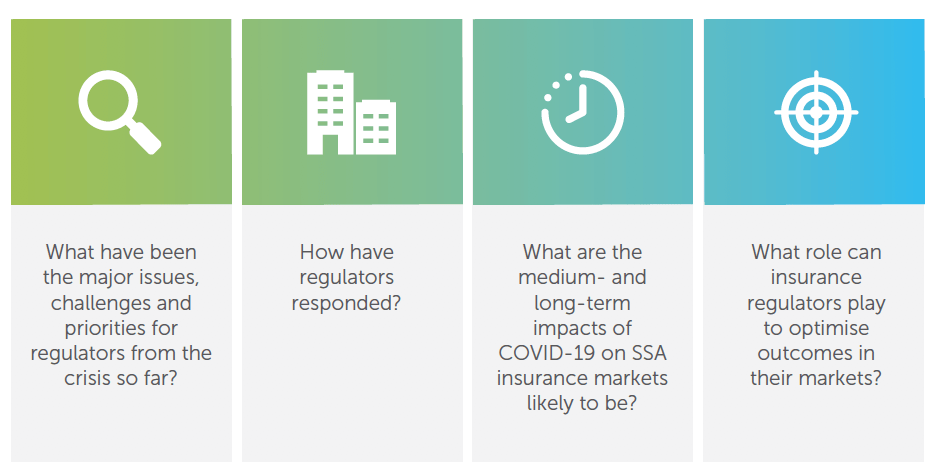
This note outlines our key learnings on the impact of COVID-19 on insurance markets across sub-Saharan Africa (SSA) as it relates specifically to insurance regulators. We focused on the following pertinent questions:

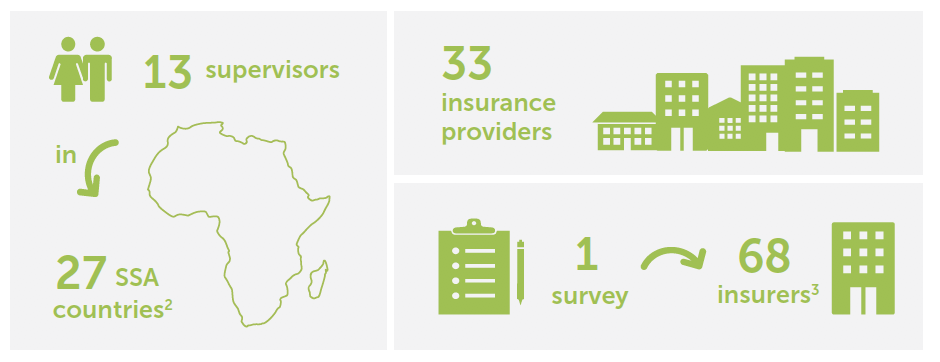
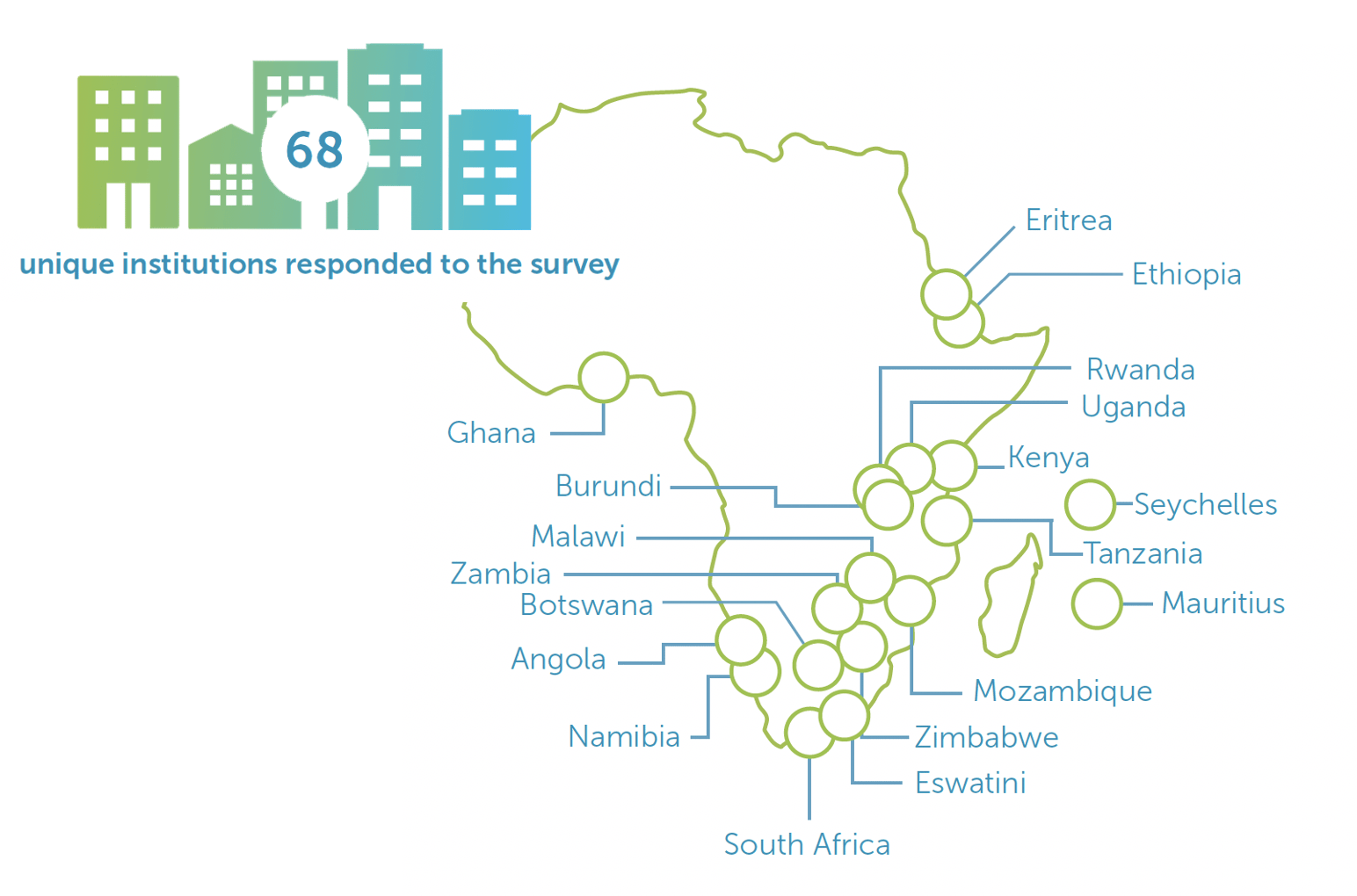
And engaged with:

Never waste a crisis – how sub-Saharan African insurers are being affected by, and are responding to, COVID-19

COVID-19 containment and mitigation measures in sub-Saharan Africa (SSA) have restricted the movement of people, goods and services. This has affected insurers’ operations, which, to a large extent, have traditionally required physical engagement. It is also affecting insurers’ ability to launch new products, conclude new sales, collect premiums, service existing customers and process and pay claims.

Moreover, the economic crisis triggered by the pandemic is affecting premium and investment income, and balance sheets are put under strain. While the pandemic has exacerbated pre-existing weaknesses of the insurance sector in SSA, it also provides an opportunity for insurers and regulators to become better equipped to embrace and adopt innovation and develop their insurance markets.

This note takes stock of the impacts of the pandemic on insurers, based on interviews with 34 insurers, insurtechs, reinsurers and insurance and broker associations across 18 markets, looking at the impacts on operations, impacts across the insurance product cycle, balance sheet impacts and the regulatory engagements and responses. The report identifies key opportunities for insurance and regulators.

The pandemic and the accompanying safety measures have affected the way insurers operate, the insurance product cycle, the potential reputation of insurers due to COVID-19 exclusions, as well impacting balance sheets that will likely result in liquidity constraints. There has been varied engagement from regulators; with some being very proactive in their communication surrounding the pandemic while others have been slow to respond and have created feelings of uncertainty in the insurance sector.

While the pandemic has exacerbated pre-existing weaknesses of the insurance sector in SSA, the consultations for this study indicate that it also provides an opportunity for insurers and regulators to become better equipped to embrace and adopt innovation and develop their insurance markets. Some of the opportunities identified in the report are that the forced digitisation of insurers can help them enhance their efficiency as well adopt the remote on-boarding of customers, and COVID-19 has created an imperative for regulators to address the barriers to digitisation as well as proactively encouraging innovation in the sector.

To read about the other opportunities identified, please download the full report.

The potential of remittance-linked insurance products in sub-Saharan Africa

Exploring the potential of remittance-linked insurance products to improve the resilience of households in sub-Saharan Africa (SSA)

Remittances are particularly important on the continent and serve as a lifeline to many households. Yet insurance products that enable the sustained flow of remittances or the resilience of senders and receivers remain unexplored in SSA.  Both remittance senders and receivers face unexpected risk events that have negative effects on their livelihoods:

  • Sender risk events: Senders may no longer being able to send remittances when they are faced with unexpected risk events such as death, disability, accident or illness. Exposure to risk events is exacerbated by the fact that many migrants work in the informal sector and are unable to access basic safety nets. Senders also face income shocks when remittance receivers face a risk event that has a large financial implication and requires senders to send additional money to receivers to cover the financial cost of the risk event. These types of events are unplanned and therefore put additional financial strain on remittance senders. 
  • Receiver risk events: Remittance receivers face shocks to their disposable income due to health, life, asset or business-related risks, which in turn negatively affect their ability to maintain their livelihoods. When this happens, receivers require greater support from remittance senders. Additionally, receivers also face reduced income if senders face shocks and are unable to send money to them. This could be shocks to the sender such as health or business risks, but also more severe risk events like disability or death.  

However, both senders and receivers often do not employ appropriate coping mechanisms to manage these risk events. Distributing insurance through remittance service providers (RSPs), e.g. remittance-linked insurance products, has the potential to build resilience by unlocking greater formal remittance flows to SSA, as well as by increasing insurance uptake to help close the risk protection gap. Transferring risk to an insurer will enable the continued flow of remittances despite senders facing a risk event. Consequently, the welfare of the remittance receivers, who are often highly dependent on remittances for their livelihoods, is protected by ensuring that remittance flows are sustained despite risk events faced by senders. Insurance can also help to smooth the financial burden on senders when remittance receivers incur a shock and require senders to help tide them over. 

This note outlines why remittance-linked insurance products are important, what forms they could take, the business case for such products and the regulatory challenges that still need to be overcome to enable the introduction of such products on the continent. 

Innovative credit models in Africa

As part of our work in credit markets, we aim to contribute to a greater understanding of factors that inhibit the growth of credit markets in sub-Saharan Africa. We partnered with Intellecap to undertake research on market innovations in retail credit markets.

The objective was to assess innovative models emerging in selected countries – South Africa, Nigeria, Kenya, Tanzania and Rwanda – and to identify the critical factors for success. The region continues to face a myriad of challenges across the spectrum of the lending value chain, which affect credit access. These include low-income levels, poor infrastructure, weak policy and a high cost of credit.

In the face of these challenges, innovative digital technologies and business models are emerging in an attempt to solve credit access challenges. The report identifies over 30 credit innovations that leverage technology, multiple data sources and partnerships to enhance access and delivery of financial services to underserved segments across the continent.

The insights generated through the research are intended to highlight market opportunities and challenges, and will be of value to policymakers, regulators, credit providers, financial sector analysts, as well as others interested in supporting credit market growth in the region.