The African
Bioeconomy
Finance Hub
A pan-African platform that connects and enables investors, businesses, finance institutions, governments, research institutions and communities to invest in and scale Africa's bioeconomy, ensuring that value and benefits are shared more equitably.
The challenge
Africa is missing out on major growth potential
The global bioeconomy is projected to exceed USD 30 trillion over the coming decades. Africa holds much of the biomass that this wealth will be built on, yet the continent captures only a fraction of the value generated.
Raw materials are exported, but processing, innovation and profits end up elsewhere. Land degradation and biodiversity loss are eroding the natural capital that could power Africa's next generation of growth.
The challenge is not a lack of promise, but an underdeveloped market without reliable data, enabling policies and investable projects.
That is the gap the African Bioeconomy Finance Hub works to close.

How the hub helps
Policy reform
Supporting governments and regulators to integrate bioeconomy priorities into industrial, trade and economic policy.
Capacity building
Providing training and executive education for African financial institutions, public agencies and emerging leaders.
Investment pipelines
Helping promising bioeconomy businesses become investment-ready and connecting investors to high-potential projects.
Data and standards
Promoting robust metrics, shared standards, and monitoring and evaluation systems to lower risks and increase confidence.
About the bioeconomy
Africa could capture five times more value from its biomass by 2035
The bioeconomy uses renewable biological resources and knowledge to create food, materials, products and services in ways that regenerate rather than deplete nature.
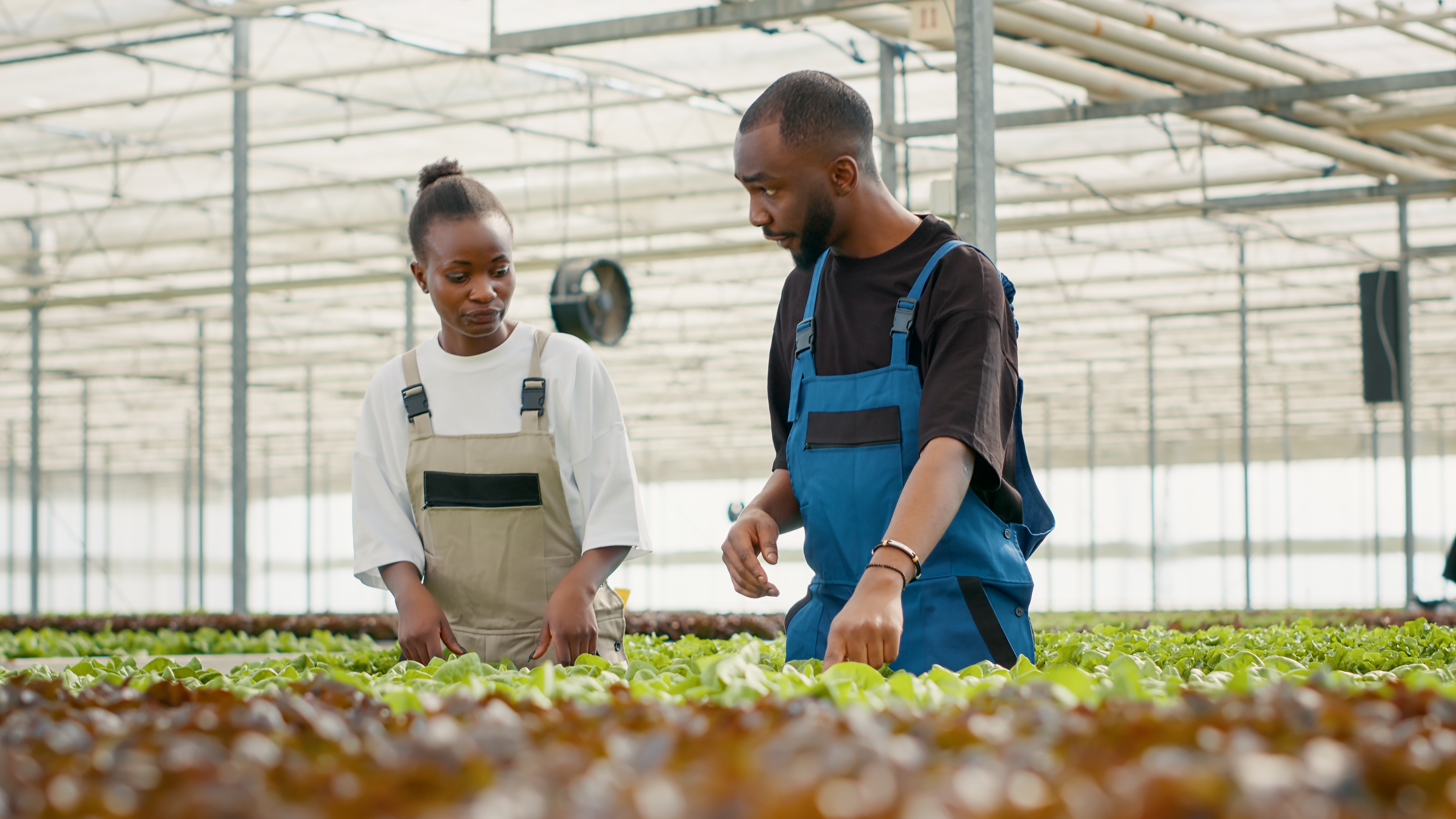
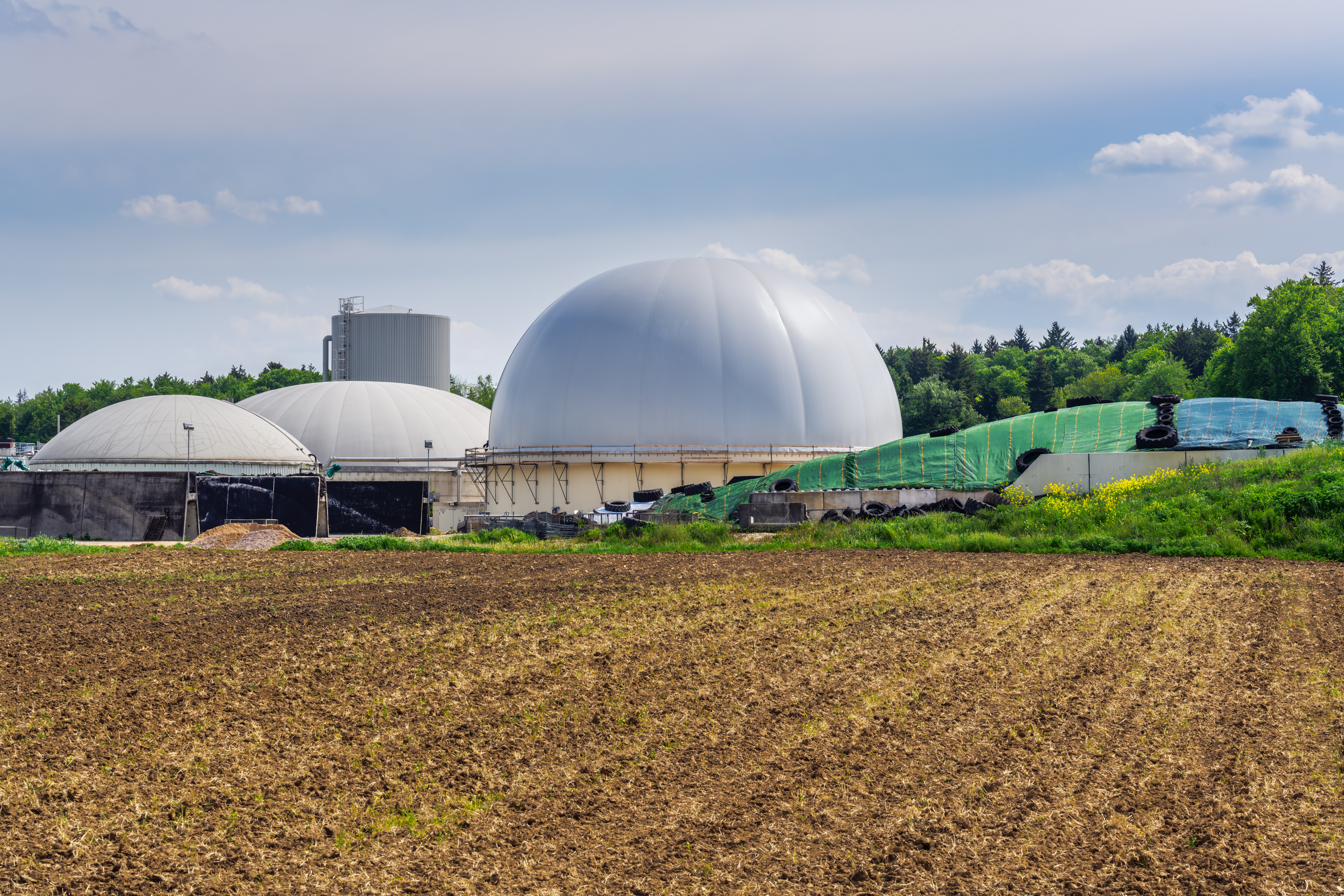
Africa's bioeconomy holds significant untapped potential, from bio-based fertilisers that rebuild soils and sustainable construction materials that replace fossil-based alternatives, to aquaculture, seaweed farming and the sustainable use of genetic resources. Together, these opportunities could create jobs, strengthen food and economic security, and bring value back to communities.
With the right innovations, local value addition, expanded market access and policy reform, Africa could increase its share of the value generated from the transformation of its biomass at least fivefold by 2035, from less than 10% today to as much as 50%.
Partner with us
Join a hub dedicated to scaling Africa's bioeconomy
Partner with us to responsibly scale Africa's bioeconomy by collectively building opportunities for investment and sustainable growth.
- Investors and funders get vetted, high-potential bioeconomy opportunities.
- Philanthropic organisations and foundations get opportunities to catalyse innovation, de-risk investment and accelerate impact.
- Entrepreneurs get business acceleration help, technical support and investor contacts.
- Financial institutions get training, peer exchange and practical finance instruments.
- Governments and public agencies get support to translate bioeconomy, climate and biodiversity plans into financial transition priorities.
- Researchers and knowledge partners get a role in shaping the evidence base and technical standards.
- Indigenous Peoples and local community organisations get equal influence in shaping the hub, with fair benefit-sharing and access built in from the start.

Priority investment areas
The hub focuses on three priority areas where the potential for impact is greatest and financing thinnest.
Regenerative land economies
Africa loses USD 68 billion every year to soil degradation. Restoring degraded landscapes and building value-adding agricultural industries alongside investments in regenerative farming, bio-inputs, agro-processing and local value chains can improve soil health, strengthen food security, create jobs and capture more value from crops such as cassava and cocoa.
Blue bioeconomy
Aquaculture and seaweed value chains already support tens of thousands of livelihoods, yet Africa captures less than 3% of global aquaculture output and under 1% of the seaweed market. These fast-growing sectors are ready for scale-up and investment, alongside interventions that help protect ocean health and conserve fish stocks.
Data-driven biology and innovation
Digital Sequence Information, the genetic data encoded in Africa's biodiversity, is rapidly emerging as a high-value nature finance opportunity. Turning genetic data into investable opportunities in biotech, pharma and cosmetics can unlock new revenue streams, with benefits flowing back to communities and rights holders.
Ready to explore how the African Bioeconomy Finance Hub could work for you? Reach out to explore engagement opportunities.
Founding partners
The African Bioeconomy Finance Hub is led by FSD Africa and the African Natural Capital Alliance in partnership with NatureFinance.
It was launched under South Africa's G20 presidency, building on Brazil's foundational leadership, and is backed by the G20 Initiative on Bioeconomy Steering Committee.
Get in touch
To learn more about the African Bioeconomy Finance Hub, register your interest.