Author: Allan Musumba

FSD Africa Investments and Allied Climate Partners commit $50 million in catalytic capital to anchor the African Transition Acceleration Fund (ATAF)

March 12, 2026 | Nairobi, KenyaFSD Africa Investments (FSDAi) and Allied Climate Partners (ACP) have jointly announced their combined anchor commitment of $50 million in catalytic capital to the first close of the African Transition Acceleration Fund (ATAF), a catalytic vehicle managed by African Infrastructure Investment Managers (AIIM). The fund, which is targeting $200 million, is designed to accelerate investment in Africa’s energy transition, vitalise economies, and create sustainable jobs. ACP and FSDAi are joined by the International Finance Corporation’s (IFC) Frontier Opportunities Fund; and several senior equity co-investors including the IFC, KfW, Proparco, and other private investors.

“Africa’s energy transition will not be financed by waiting for projects to become safe enough for conventional capital,” said Anne-Marie Chidzero, FSDAi’s Chief Investment Officer. “Someone has to go first. This partnership with ACP – and our anchor commitment to ATAF – is us going first.”

Across Africa, most infrastructure funds are not structured to commit significant capital to early-stage project development. As a result, promising opportunities stall before they can launch, scale, and reach bankability. ATAF was purposefully created through a structured market assessment and selection process to focus capital on this gap, and provide support to economically viable platforms and companies at the earliest and most critical stages of project development and company growth.

By anchoring the fund with catalytic capital, FSDAi and ACP aim to help close this gap, alongside partners. The fund seeks to invest in early-stage developers and companies looking to advance climate infrastructure projects toward bankability and scale across three core energy transition themes:

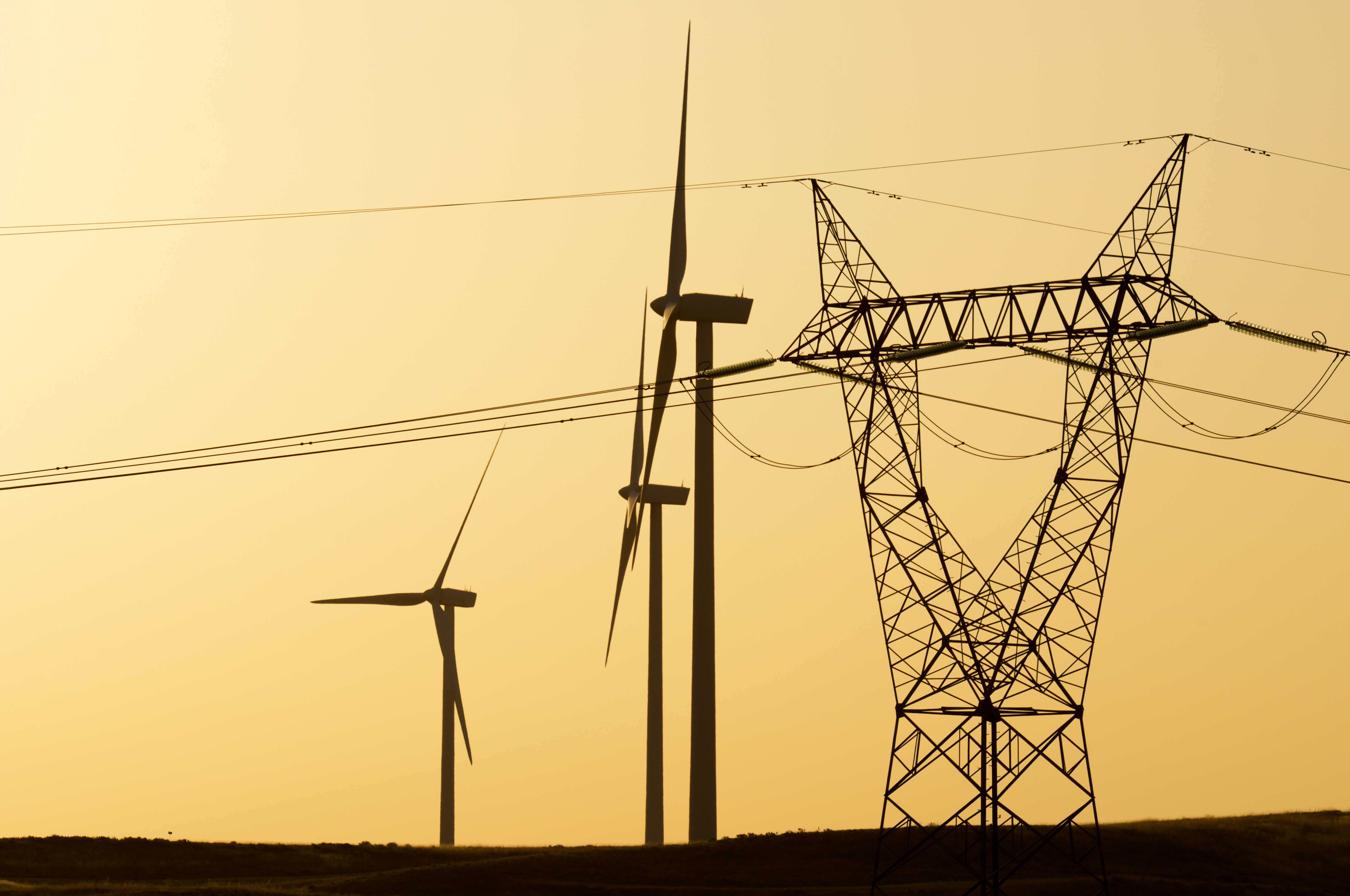
  • Clean electrons such as on-grid and off-grid renewables, energy efficiency, and transmission
  • Sustainable transport such as electric vehicles and low-carbon transport systems
  • Clean molecules such as green ammonia, fertilizers, and biofuels

With its pan-African strategy, ATAF will invest with a focus on accelerating projects, attracting and strengthening management teams, and building platforms capable of scaling and attracting commercial capital. The fund intends to generate meaningful environmental, economic, and social benefits, including tens of thousands of green jobs, emissions reductions, and expanded access to clean power, green fuels, and low-carbon transport.

This investment builds upon the partnership established in 2024 between FSDAi and ACP which brings together two mission-aligned and complementary investment organisations. FSDAi, backed by the UK’s Foreign Commonwealth and Development Office (FCDO), provides patient, risk-bearing capital and deep expertise in African financial market development. ACP, utilizing philanthropic capital, brings experience in architecting and anchoring catalytic climate investment funds with junior equity across emerging markets to promote sustainable development and positive climate outcomes. Together, FSDAi and ACP are backing ATAF to accelerate Africa’s energy transition, send a market signal, and help prove the model so more investors follow.

“ATAF is a testament to the power of purposeful partnership,” said Ahmed Saeed, CEO of Allied Climate Partners. “Together with FSDAi and others, we will empower ATAF to catalyse new markets and accelerate transformative infrastructure platforms and companies – creating jobs, powering economies, and strengthening communities across Africa at risk of the devastating impacts of a changing planet.”

ATAF will be managed by AIIM, one of Africa’s most experienced infrastructure investment managers with more than two decades’ experience investing across renewables, transport, and digital infrastructure on the continent. AIIM’s team of more than 40 locally-based investment professionals brings the execution capability and sectoral depth that early-stage energy transition investment demands. ATAF will be led by Lisa Pinsley, a seasoned investor with 18+ years’ experience investing in energy across Africa.

ATAF is the first investment of the FSDAi-ACP strategic partnership, and complements FSDAi’s wider portfolio of investments in African green growth, including InfraCredit Nigeria, the Acre Impact Fund, the Africa Local Currency Bond Fund (ALCB Fund), and ARM-Harith’s Africa Climate Transformation (ACT) Fund. Across these commitments, FSDAi’s consistent aim is to crowd in private capital and establish new financing channels for Africa’s energy and climate transition.

ATAF is ACP’s first catalytic investment in Africa. ACP has also supported SEACEF II (managed by Clime Capital) and the Green Investments Partnership (managed by Pentagreen) in Southeast Asia, and the Caribbean Community Resilience Fund (managed by Sygnus Capital) in the Caribbean.

Africa’s green growth needs skills: Where and how can finance help?

Next week, FSD Africa will participate in Africa’s Green Economy Summit (AGES). Our presence reflects a clear strategic view: Africa’s green transition will only succeed if investments in climate-aligned sectors are matched with investments into building the  workforce required to deliver them. Financial markets cannot deepen around green growth without trained and skilled workers capable of sustaining it.

Across the continent, momentum is building. Countries like Kenya, Ghana, South Africa and Morocco have recognised the green jobs skills gap and have developed country strategies to this . The African Development Bank and African Union are also pushing for green skills as part of their commitment to driving green and inclusive growth across the continent.

Tackling Africa’s green skills gap will require cross-sector collaboration and coordination among stakeholders, including skilling and training partners; employers and industry associations; government regulators and policymakers; and funders and investors. All this effort will be happening against a backdrop of dwindling public finance and development funding.

In light of this, FSD Africa has begun exploring innovative and sustainable financing mechanisms that could enhance Africa’s green workforce development. The green jobs financing imperative is what underpins our participation at this year’s Africa Green Economy Summit, between 24 – 27 February in Cape Town, South Africa

Why financial markets matter for green skills

Our mandate is to strengthen financial markets so they can mobilise domestic capital, crowd in private investment, and support sustainable economic growth. Financial sector deepening depends not only on liquidity and regulation, but on productive enterprises and stable income generation. Green sectors such as renewable energy, electric mobility, and climate-smart agriculture are not only capital-intensive, they are also labour-dependent. The quality and availability of skills affect productivity, cost structures, and long-term viability.

Recent analysis in our 2024 Forecasting Green Jobs in Africa report estimates that more than three million direct green jobs could be created across key value chains by 2030. This presents a significant opportunity to address vast swathes of unemployment across Africa, particularly the youth. However, without deliberate investment in vocational training systems, certification pathways, and workforce planning, many roles will remain difficult to fill, and project pipelines will face constraints.

At AGES, we hope to engage partners on several critical questions:

  • How can workforce planning be embedded into climate infrastructure financing from the outset?
  • What financing mechanisms can support large-scale skills development linked to green sectors?
  • How can domestic institutional capital, including pension funds and insurance assets, align with long-term human capital investment strategies?
  • And where are the most pressing labour bottlenecks already emerging across markets?

FSD Africa will be aggregating these perspectives and partnerships into a Green Jobs Innovation Hub that aims to translate research insights into investable, demonstrable green workforce solutions. Our approach focuses on strengthening labour market data to inform capital allocation, convening stakeholders across finance and workforce ecosystems, and designing demonstration models that treat skills as an investable component of green growth rather than a standalone social expenditure. We believe that integrating human capital considerations into financial structuring will be key to improving project outcomes and strengthening market resilience.

As a Silver Sponsor at AGES, we see the Summit as more than a platform for dialogue — it’s an opportunity to shape the evolution of green finance. We are keen to connect with investors, development finance institutions, governments, asset managers, and workforce actors who recognise that green growth development is embedded into investment strategies — not treated as an afterthought. We are particularly interested in building partnerships that will enable us to pilot innovative financing approaches that can link capital deployment with measurable employment outcomes.

Africa’s green transition offers an opportunity to decarbonise economies while deepening financial markets and expanding domestic capital mobilisation. Realising that opportunity requires aligning capital with capability. We look forward to engaging in Cape Town on how to ensure that financial flows translate into productive, inclusive growth supported by the right skills at scale.


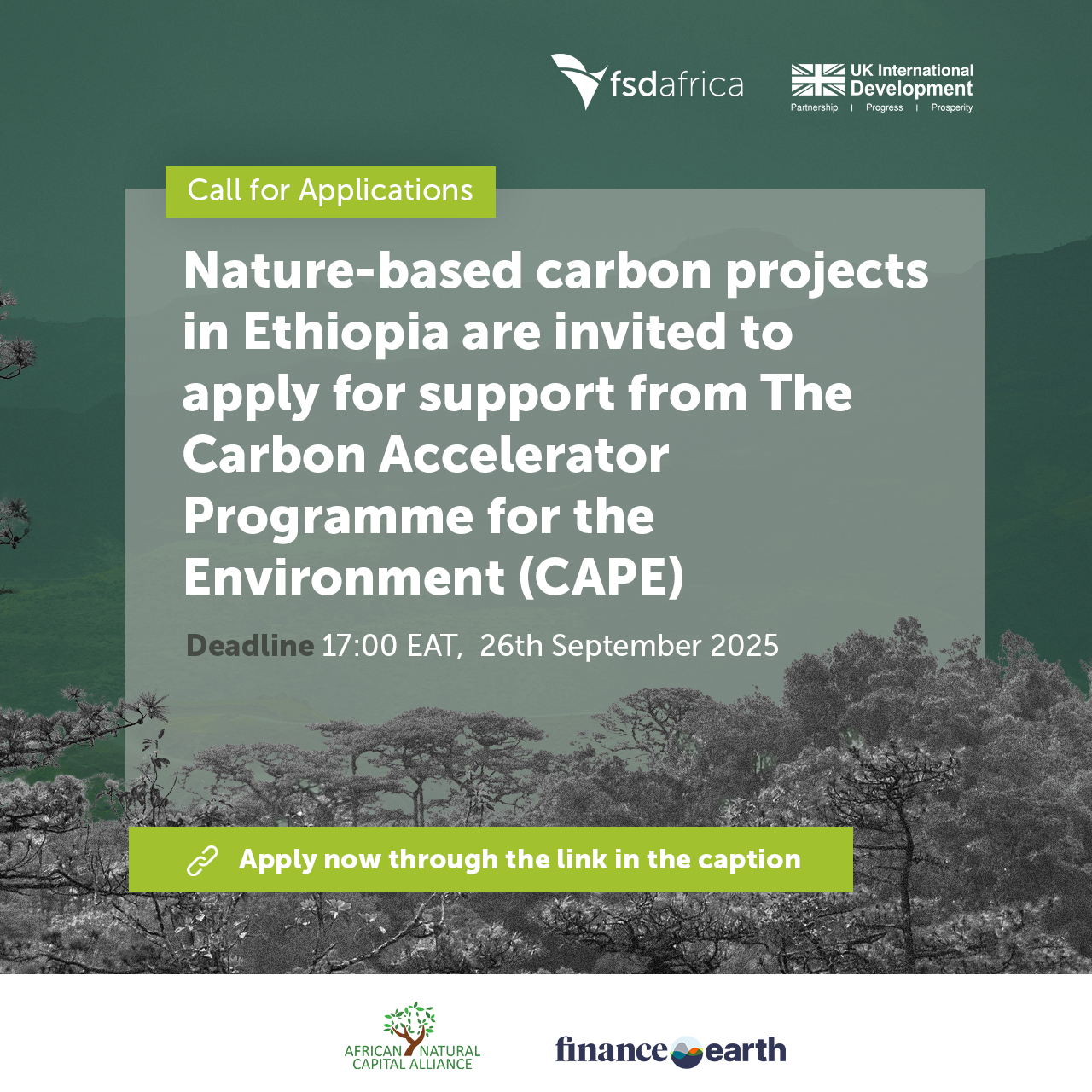
Nature-based carbon projects in Ethiopia invited to apply for support from The Carbon Accelerator Programme for the Environment (CAPE)

CALL FOR APPLICATIONS

Addis Ababa, Ethiopia, 9 September 2025: The Carbon Accelerator Programme for the Environment (CAPE), in partnership with FCDO Ethiopia, is pleased to announce that it is seeking applications from impactful nature-based carbon and biodiversity projects in Ethiopia for its next cohort.

Local nature-based carbon project developers are invited to submit an Expression of Interest (EOI) via this link: https://forms.gle/Yq9eQ4Pc2HyCfNLB8 no later than 17:00 EAT on Friday 26th September.

CAPE is an initiative being delivered by FSD Africa in partnership with Finance Earth and the African Natural Capital Alliance (ANCA) to mobilise investment into projects across Africa to cut carbon emissions and protect biodiversity while also benefitting local communities.

Who is eligible for this cohort?

  • Location: Projects located in Ethiopia
  • Project Type: Nature-based carbon projects with strong biodiversity and local community impact potential
  • Development stage: We encourage projects at any stage of their development journey to apply

CAPE provides project development support and transaction advisory services to accelerate high-integrity, nature-based projects towards investment.

The first cohort of CAPE is already underway, with support being provided to four projects in Kenya, Tanzania, Zambia and Nigeria.

CAPE is particularly interested in projects that:

  • Have a clear pathway to financial viability
  • Are considering biodiversity and social impact beyond carbon standard requirement (e.g., Verra CCB)
  • Intend to use a robust standard for validation and verification
  • Can be scaled and/or replicated

By applying, you wlll be considered for tailored support from the CAPE team to strengthen your project’s technical, financial, and impact foundations, and prepare it for investment.

FSD Africa at ACS 2

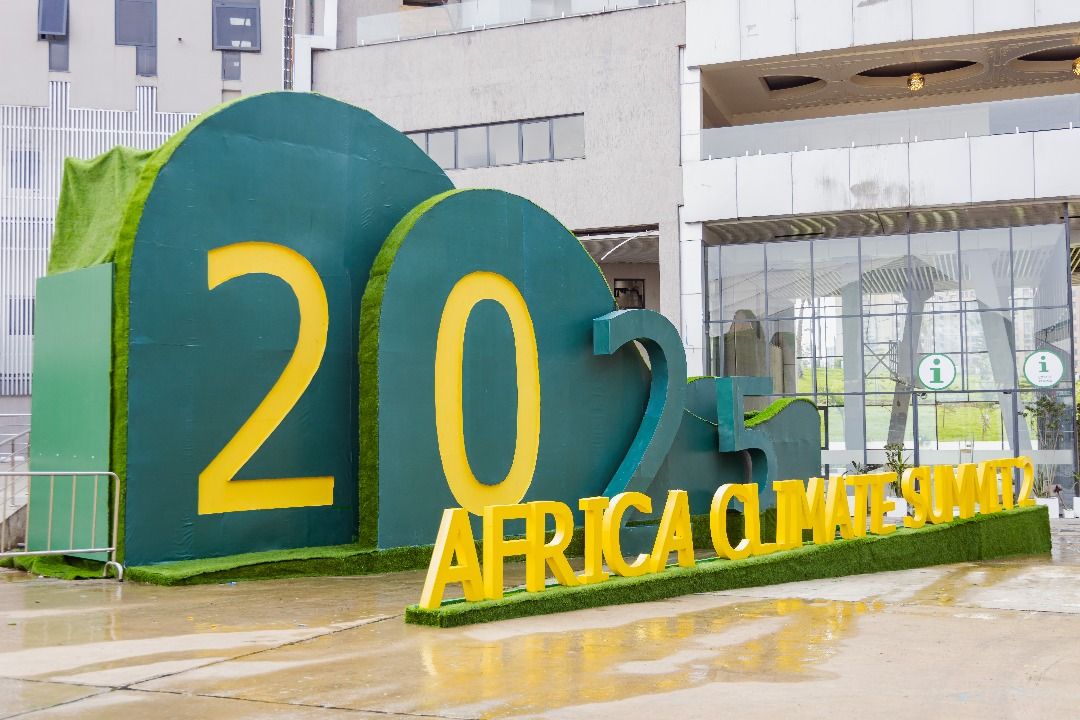
It is two years since African leaders gathered in Nairobi for the first African Climate Summit. The resulting pledges, amounting to $26bn, were strong evidence of a real commitment to Africa-led climate solutions. But even more important was the summit’s assertion of African self-determination and specifically the need to mobilise Africa’s domestic private capital in the continent’s climate efforts.

As leaders gather again for the second Africa Climate Summit (ACS2) in Addis Ababa, the world looks very different. There is huge global uncertainty, and the economic headwinds are even stronger. Never has the vision set out at that first summit, and in the subsequent Nairobi Declaration, of a green path to economic growth that delivers both prosperity and environmental benefits, been more relevant and more important.

This is why we wholeheartedly support the aims of ACS2 and hope to see emerging from it an even greater consensus around the value of investing in climate. The summit is also a chance to set out even more compellingly the argument that investing in climate and economic growth are not mutually exclusive but rather complementary and to make the case for greater private sector, particularly domestic, investment in the continent.

The recent cuts to overseas aid have only added to the urgency for the continent to become more economically independent and resilient. That will require stronger domestic financial markets and more long-term financing in local currency to make growth less reliant on international finance, including aid, and more resilient to economic shocks, not least those resulting from climate change.

Indeed, our belief that a green path to growth will deliver a stronger and more resilient economy and that mobilising domestic private capital will be key to this, are central to FSD Africa’s mission to make finance work for Africa’s future. This approach is embodied in our new strategy which is based around three key imperatives: increasing economic opportunity, protecting the environment and increasing resilience to climate and economic shocks. We have an ambitious target to mobilise and catalyse £10bn of private capital for sustainable development, 84% of it in local currency.

But the strategy also reflects the immediate problems facing many countries in Africa with a focus on sustainable debt, more adaptation finance, job creation and the need for more climate finance to power the energy transition – all areas we will be discussing across the more than half a dozen events we are hosting or co-hosting at ACS2.

Above all this summit is an opportunity to show how Africa can be at the forefront of finding solutions to the twin threats of climate change and nature loss by highlighting proven Africa-led climate solutions and the continent’s bold efforts to re-green its landscapes. In that spirit, we and our partners will also be highlighting examples of the extraordinary financial innovation that is taking place across different parts of the financial system and presenting some of the transactions that have resulted.

Please join us at ACS II in Addis Ababa from 08th to 10th September to discuss these issues

FSD Africa Investments announces first investment in Nature-Based Solutions with US$2.5m commitment to West Africa Blue

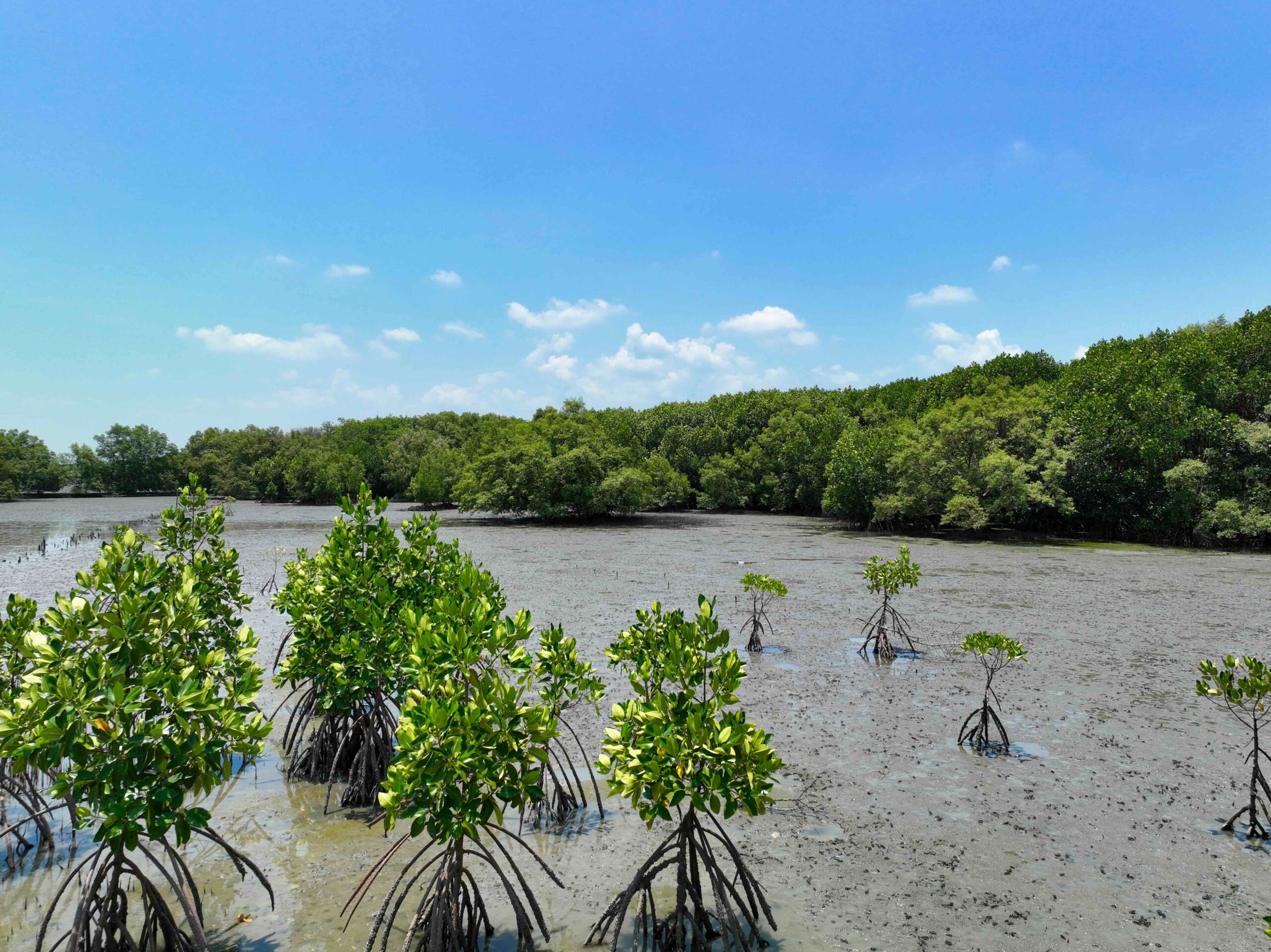
Nairobi, July 2, 2025: FSD Africa Investments (FSDAi), the UK-backed specialist development finance investor, is investing US$2.5 million into West Africa Blue (“Blue”)’s blue carbon project in Sierra Leone’s Sherbro River Estuary (SRE). The investment was announced by the UK Foreign Secretary, the Rt Hon. David Lammy MP, at the Africa Debate in London on Wednesday 2 July 2025. FSDAi’s investment will contribute to the conservation and restoration of approximately 94,000 hectares of mangrove ecosystems across 11 chiefdoms. Working in close collaboration with local communities, the project will demonstrate the potential for blue carbon nature-based solutions to sustainably address climate change, protect biodiversity and build income diversification and economic development opportunities.

Mangrove ecosystems are powerful carbon sinks that combat climate change and build coastal resilience. Despite their promise, blue carbon projects struggle to raise private sector investment due to their complexity, extended timelines to scale and high execution risks. FSDAi’s early-stage investment will help de-risk the SRE project and demonstrate the feasibility of structuring financing facilities linked to carbon revenue, enabling project developers to transition from a dependence on scarce philanthropic and concessional funding towards a model that attracts commercial investment. This aligns with FSDAi’s broader mission to mobilise capital and promote development impact in underserved communities. The project is FSDAi’s first direct investment in a nature- based solution and will complement its existing portfolio that enables capital allocation to Africa’s green economic growth by backing existing asset managers and venture builders.

In addition to significantly reducing greenhouse gas emissions and protecting biodiversity, the project is expected to significantly empower the economic livelihoods of local communities. A core component of the project is the development of an innovative, equitable and transparent benefit sharing mechanism in consultation with communities and the government.

Announcing the investment, FSDAi’s Chief Investment Officer, Anne-Marie Chidzero said,

“This strategic US$2.5 million investment in West Africa Blue’s pioneering blue carbon project in Sierra Leone marks a significant step for FSDAi. As our first direct foray into nature-based solutions, it underscores our commitment to demonstrate the financial proposition to financing nature and creating economic opportunities for communities.”

Elizabeth Littlefield, Blue’s Senior Partner, said, “West Africa Blue is grateful for the support and partnership of FSDAi in this groundbreaking project which will be transformative for communities and the coastal ecosystem that is their home. With FSDAi’s support, we aim to set a high benchmark for quality, transparency and fairness including sharing our Benefit Sharing Agreement and other tools, in order to catalyze the nature-based solution market in Africa.”

About West Africa Blue
West Africa Blue (“Blue”) is a community-centric developer of high integrity, large-scale, blue carbon projects in West and Central Africa. Blue partners with local communities and governments to develop financially sustainable projects that seek to mitigate climate change, boost community resilience, and protect biodiversity. Based in Freetown, Sierra Leone, Blue has worked in the region for over a decade. Its flagship mangrove conservation and restoration project is in the Sherbro River Estuary of Sierra Leone, with a second project in Guinea and a pipeline of other, early-stage projects. Blue offers its projects as ‘Living Labs,’ sharing its lessons learned, tools, models and even its full Benefit Sharing Agreement, open source, to help develop the market for high integrity nature-based projects in Africa and beyond.
For more information, visit https://www.westafricablue.org/.