Category: Press release

Nigeria’s Heat Crisis Is Fueling a New Wave of Startups

10 ventures selected to scale solutions for extreme heat across food and agricultural systems, healthcare, climate intelligence, and clean energy

Lagos, Nigeria, April 2026 — As heat intensifies across Nigeria, a new cohort of ventures is developing solutions to protect crops, reduce food spoilage and livestock losses, and equip hospitals and outdoor workers to anticipate and withstand extreme conditions. BFA Global, FSD Africa, ClimateWorks Foundation, and the UK’s Foreign, Commonwealth & Development Office (FCDO) Nigeria have selected 10 early-stage ventures to join the inaugural cohort of the TECA Heat Action Wave (THAW) program focused on accelerating solutions to extreme heat.

The 10 selected ventures are:

  • Ofemini Global Limited provides a heat-resilient logistics platform that helps farmers transport perishable goods efficiently, reducing spoilage caused by extreme temperatures through optimized routing and heat monitoring.
  • Agiletech Operations Consulting Limited provides a hyperlocal early-warning system that delivers climate and heat alerts through accessible channels, enabling farmers and micro-entrepreneurs to anticipate risks and take preventive action.
  • Emplaris develops a predictive energy and heat-risk intelligence system for healthcare facilities, helping hospitals anticipate outages and manage equipment stress during extreme heat events.
  • Doorcas Africa delivers an AI-powered livestock health and co-ownership platform that enables early disease detection and prevention, helping farmers reduce heat-related livestock mortality and improve productivity.
  • Farmxic offers an AI-driven soil and crop diagnostics platform that helps farmers adapt to heat-induced soil degradation and crop stress through real-time insights and personalized recommendations.
  • Farm Fresh Grocery Ltd. builds a climate-resilient agricultural system combining heat-adaptive beekeeping, herb production, and consumer products to stabilize yields and supply under rising temperatures.
  • Farmslate Technologies Limited provides a climate intelligence platform that translates satellite and weather data into actionable insights, enabling farmers and financial institutions to manage heat-related risks and improve decision-making.
  • Let-It-Cold offers a solar-powered, portable cooling solution that helps small businesses and households preserve perishable goods during extreme heat and power outages.
  • Pod develops a climate-resilient sanitation system that prevents failure and contamination in heat- and flood-prone environments through on-site treatment and water reuse.
  • TheHyWing Ltd provides a climate-smart digital health platform that combines heat alerts, AI diagnostics, and telemedicine to prevent heat-related health risks among outdoor workers and vulnerable populations.


Together, the ventures address some of the most immediate and under-addressed impacts of extreme heat across Nigeria, including food spoilage and cold chain gaps, heat-induced soil degradation and crop stress, livestock disease and productivity loss, health risks for outdoor workers, and system failures in energy, healthcare, and sanitation infrastructure. They range from early-stage concepts to minimum viable products, reflecting both the urgency of the problem and the early development of solutions in this emerging space.

The cohort reflects a growing innovation ecosystem across Nigeria, with ventures operating in multiple regions. The companies are based in Lagos, Kaduna, and Edo States. This geographic spread underscores the breadth of climate innovation emerging across the country and reinforces TECA’s commitment to supporting founders building locally relevant solutions nationwide.

Selected from a competitive pool, the ventures will each receive $56,000 in funding along with hands-on venture-acceleration support, including user validation, product development, business model design, and investor readiness. Each team will work with embedded venture builders and technical experts to accelerate their path to scale. Six of the ten selected ventures have a female co-founder.

Extreme heat is rapidly becoming one of the biggest operational risks facing African economies, yet it remains dramatically underinvested,” said Tyler Ferdinand, TECA Director at BFA Global. “Through TECA’s Heat Action Wave, we’re backing entrepreneurs building the tools, services, and financial products that will allow people, businesses, and cities to function in a hotter world. Our goal is not only to support these ventures but to prove that climate adaptation can become a powerful new investment frontier.”

Juliet Munro, Director, Early Stage Finance, at FSD Africa, said: “If climate adaptation finance is going to scale in Africa, it has to be grounded in real, investable solutions. This group of innovators tackling extreme heat is important because it shows what those solutions look like in practice, and that’s what gives markets the confidence to follow. At FSD Africa, our role is to help turn early innovation like this into something markets can actually back.”

“The cost of inaction on climate change is growing, as over 70% of workers around the world are at risk from deadly extreme heat. At the same time, momentum for adaptation is growing, as we see both more funding and more innovation. These new business ventures are strong, community-led solutions that can accelerate resilience in Nigeria and more broadly in the West African region,” said Jessica Brown, Senior Director of Adaptation and Resilience at ClimateWorks Foundation.

“Responding to climate change is central to Nigeria’s future growth and resilience. The UK is excited to support this cohort of ambitious Nigerian businesses developing transformative solutions to extreme heat. TECA’s Heat Action Wave is part of a broader UK partnership with Nigeria that backs private sector–led innovation, creates jobs, and drives shared prosperity for both our countries as we transition to a greener economy,” said Temi Akinrinade, Foreign, Commonwealth & Development Office, Nigeria.

The program will run through 2026, culminating in demo days and investor engagement opportunities, with follow-on support available for top-performing ventures.


About BFA Global

BFA Global is an impact innovation firm that combines research, advisory, venture building, and investment expertise to build a more inclusive, equitable, and resilient future for underserved people and the planet. We partner with leading public, private and philanthropic organizations, global and local, to catalyze innovation ecosystems for impact across emerging markets. Since 2006, we have completed 646 projects completed in over 107 countries, supported 250+ ventures in Africa, Latin America, and Asia, who have collectively raised $1B+ in follow-on funding, and have a survival rate above 80% (global average is ~20%), and built a network of 100+ global and African investors, innovators, and funders focused on climate resilience. Learn more at https://bfaglobal.com/

About FSD Africa

FSD Africa is a specialist development agency funded through UK Development operating in more than 30 countries working to help make finance work for Africa’s future. Based in Nairobi, FSD Africa’s team of financial sector experts work alongside governments, business leaders, regulators, and policymakers to achieve policy and regulatory reform, capacity strengthening, and improving financial infrastructure, to address systemic challenges in Africa’s financial markets. Since 2017, the organisation’s strategy has evolved to prioritise solutions to Africa’s most critical challenges: economic, social, and environmental. The organisation has worked to promote investment into the continent’s green economy, as well as its rates of financial inclusion and gender equality. FSD Africa – previously known as Financial Sector Deepening Africa – was founded in 2012 and is based in Nairobi, Kenya. For more information, please visit:https://www.fsdafrica.org

About ClimateWorks Foundation

ClimateWorks Foundation is a catalyst for accelerating climate progress, driving bold solutions that benefit people and the planet. We connect funders and implementing organizations worldwide to create and scale transformative solutions across sectors and geographies, achieving faster, greater impact together. Since 2008, ClimateWorks has granted over $2 billion to more than 850 grantees across 50 countries, working alongside 80 funders.

RSSB Anchors First Close of US$100 Million Rwanda SME Fund Managed by Enko Capital to Drive Economic Growth in Rwanda

Kigali, 28th April 2026 – The Rwanda Social Security Board (RSSB) alongside Enko Capital, has announced the initial closing of its Rwanda-focused SME Growth Fund, with a commitment of US$30 (RWF equivalent). The Fund, which aims to achieve a final close of US$ 100 million, will be managed by Enko Capital, an alternative asset manager focused on Africa with US$1.6 billion in assets under management (AUM), through its subsidiary in Rwanda.

This Fund is designed to offer long-term, flexible growth capital in local currency to small and medium-sized enterprises (SMEs). SMEs play a crucial role in Rwanda’s economy, representing over 90% to 97% of all businesses, contributing 55% to the GDP, and providing over 60% of total employment. Among SME owners, 68% seek loans, with 46 % borrowing from informal institutions, 22% from formal institutions, and only 10% from banks. Furthermore, 82% of MSMEs’ output is sold within the district of production, while 16% is distributed throughout the country, and merely 2% is exported. The Fund’s objective is to promote growth across various business sectors and to stimulate regional or broader export of goods and services originating from Rwanda.

These SMEs, which include numerous businesses owned by youth and women, play a critical role in driving job creation, supporting enterprise growth, and contributing to broader economic development. However, they face challenges in obtaining financing due to high collateral demands, which can reach up to five times the amount of their borrowing. However, access to appropriately structured, growth-oriented financing remains limited, underscoring the Fund’s investment thesis.

RSSB recognizes that constraints facing SMEs extend beyond access to finance, with underlying structural constraints often limiting their ability to access and effectively deploy capital. Therefore, enhancing the capabilities of SMEs by providing training in corporate governance, product development and diversification, aimed at improving their competitiveness, is key to the success of the Fund. Consequently, the Fund strategy incorporates a Technical Assistance (TA) component to aid businesses both before and after investment.

The TA facility, seeded with US$3 million by RSSB, will be structured as a separate vehicle aligned with the Fund.  This structure will leverage the expertise and networks of the Fund team and TA partners, with the objective of strengthening the SME ecosystem. As a leading institutional investor, RSSB is committed to advancing private sector-led economic transformation. The SME Fund is part of a broader strategy that includes pension reforms and efforts to mobilize capital and expand investment to support economic development.

FSD Africa has played a crucial role in the successful structuring and implementation of this strategy, providing support to RSSB throughout this process. Additionally, they are engaged in structuring a potential guarantee facility to the project to promote and mitigate risks associated with SME investments.

Regis Rugemanshuro, Chief Executive Officer at Rwanda Social Security Board said:

Rwanda has set ambitious targets to become a High-Income Nation by 2050. RSSB is fully committed to supporting the realization of this vision by aligning our capital allocation strategies to the key pillars and priority sectors in the Vision 2050 blueprint. With the National Strategy for Transformation (NST2), a five-year government program with a central focus on private sector-led growth currently under implementation, the Rwanda SME Growth Fund is a timely initiative which will support the Economic Transformation Pillar. The SME Fund also presents some significant firsts by a public pension fund in the region cementing RSSB’s innovative position. These include: (i) the first public pension-fund led initiative focused exclusively on SME financing; (ii)the first permanent capital vehicle anchored by a pension fund and (iii)the first time that a pension fund is dedicating a Technical assistance (TA) facility in a fund. Together, the investment capital and Technical Assistance facility address both financing and capability gaps, enabling SMEs for growth and scale.

Alain Nkontchou, Managing Partner of Enko Capital, added:

We at Enko believe that African development will come from African capital which is why the launch of this fund is such a pivotal moment for us. We feel privileged to collaborate with the RSSB to unlock private sector capital for private sector development in Rwanda. Through the SME Growth Fund, Enko demonstrates its commitment to channelling longer tenor and flexible funding to Rwandan businesses for growth and job creation.

Dr Evans Osano, Chief Financial Markets Officer at FSD Africa said:

At FSD Africa, we work to unlock longer-term, risk‑tolerant domestic capital into the real economy to accelerate sustainable economic growth—by enabling SMEs to invest, create jobs and raise productivity. The Rwanda SME Growth Fund is a strong example of this approach in action: it brings domestic institutional capital to the table, offers patient local‑currency financing, and pairs it with technical assistance so that promising businesses can strengthen governance and execution as they scale.


Notes to Editors

Media contacts

  1. At ENKO Capital, please contact
  2. At RSSB, please contact, Regis Rugemanshuro on email address, rugemanshuro@rssb.rw
  3. At FSD Africa, please contact, Kaara Wainaina on email address, kaara@fsdafrica.org

FirstRand Bank issues Inaugural Nature-Linked Outcomes-Based Bond

First published on persistnent.energy website, this press release is republished here to share insights with our broader community.

Johannesburg, 1 April 2026 — FirstRand Bank (FRB) has become the first commercial bank globally to issue an outcomes-based bond that directly links investor returns to verified ecological and environmental restoration outcomes.

The bond forms part of a broader transaction structure which raised funding from outcomes-based funders (OBFs) for a nature conservation project to remove invasive alien plant species from priority water catchment areas in the Western Cape to increase water flow into storage dams through water reclamation.

RMB acted as arranger, structurer and distributor for the R2.5 billion JSE-listed Cape water performance-based bond issuance. The bond was anchored by the International Finance Corporation (IFC) and FSD Africa Investments (FSDAi), a specialist financial sector investor established by FSD Africa and the UK’s Foreign Commonwealth and Development Office (FCDO). Their participation was instrumental in validating the transaction structure and catalysing broader institutional investor participation. The IFC subscribed for approximately R1.6 billion whilst FSDAi committed R234 million.

Aluwani Capital Partners led local institutional participation with a R350 million investment in the bond, with further support from Ashburton Investments, the Eskom Pension and Provident Fund, Optimum Investment Group and Sanlam Life.

The bond establishes a new asset class for nature-linked adaptation finance, whereby investor returns are contingent on the delivery of pre-defined and verified nature positive outcomes that are embedded directly into a listed senior unsecured bond structure. The transaction shares the risk of funding conservation activities between OBFs and bond investors who receive enhanced returns if pre-defined conservation outcomes are met. This enables a pay-for-success model for OBFs, based on measurable and independently verified outcomes. It presents a scalable, rigorous and transparent template for mobilising private capital and can be replicated for wider environmental, social or development projects in South Africa and elsewhere.

The group’s corporate and investment bank, RMB, was instrumental in the structuring and execution of this transaction, and the FirstRand Foundation also played a key role as an anchor outcomes-based funder and coordinator for other philanthropic partners.

Kalina B. Miller, IFC Financial Institutions Group Regional Manager for Southern Africa, said:

IFC is proud to be the lead investor in this ground-breaking and innovative transaction, which leverages the capital markets to enable and crowd in private sector capital toward conservation activities. The instrument links investor returns to measurable environmental outcomes in South Africa’s strategic water catchment areas and sets a replicable blueprint for nature finance across Africa and globally. The pay-for-success financial structure would help address water security in South Africa – a key development challenge in the country – and create jobs, including for women and youth.

Anne-Marie Chidzero, Chief Investment Officer at FSDAi, said:

“Nature has long been treated as a cost; this bond demonstrates it can be structured as an asset. What makes the Cape water performance-based bond significant is not just what it finances, but who it brings together —and FSDAi is proud to stand alongside partners united by the conviction that Africa’s markets are ready to price nature differently. That collective commitment turns reclaimed water into a verifiable, investable outcome and opens the door to an entirely new asset class in Africa’s capital markets.

Antony Phillipson, British High Commissioner to South Africa, said:

Nature is critical infrastructure, and linking investment returns to verified environmental improvements shows how finance can drive real resilience. This bond demonstrates what is possible when partners unite behind a shared commitment to protect ecosystems and strengthen water security. It also reflects the deepening collaboration between the UK and South Africa to scale sustainable finance and unlock new opportunities for nature-positive growth.

Monica Jaglal, Co-Head of Credit at Aluwani Capital Partners, said:

Water is an increasingly scarce and mispriced resource. Our investment in the Cape water performance-based bond reflects a deliberate commitment to investing in water—not only in infrastructure such as pipes and dams, but in the ecosystems that sustain supply. By unlocking additional water yield at a fraction of the cost of traditional infrastructure, we are delivering measurable environmental and social impact, in line with our responsibility as stewards of capital.


About FirstRand Bank Limited FirstRand Bank Limited

(FRB or the bank) is a wholly owned subsidiary of FirstRand Limited (FirstRand or the group), which is listed on the Johannesburg Stock Exchange (JSE) and Namibian Stock Exchange (NSX). The bank provides a comprehensive range of retail, commercial, corporate and investment banking services in South Africa and oƯers niche products in certain international markets. The bank has three major divisions which are separately branded: First National Bank (FNB), WesBank and Rand Merchant Bank (RMB). For more information, visit www.firstrand.co.za.

Contact: Sam Moss, Head Group Corporate Communications (sam.moss@firstrand.co.za)


About IFC

IFC — a member of the World Bank Group — is the largest global development institution focused on the private sector in emerging markets. We work in more than 100 countries, using our capital, expertise, and influence to create markets and opportunities in developing countries. In fiscal year 2025, IFC committed a record $71.7 billion to private companies and financial institutions in developing countries, leveraging private sector solutions and mobilizing private capital to create a world free of poverty on a livable planet. For more information, visit www.ifc.org. Stay Connected with IFC on social media.

Contact: Nkatya Kabwe (nkabwe@ifc.org)


About FSD Africa Investments

FSD Africa Investments (FSDAi) is a specialist financial sector investor established by FSD Africa and the UK’s Foreign Commonwealth and Development Office (FCDO) to strengthen and deepen Africa’s financial markets. We bridge critical funding gaps by investing patient, risk-bearing capital in novel financial instruments, facilities, and intermediaries. Our strategic investments take on early risk, test new models and catalyse capital from others to gradually transition the financial sector to finance Africa’s economic resilience and growth. To date, FSDAi, backed by FCDO investment, has committed £150 million to 27 investments, and successfully exited two investments in the region, one at 2x money. For more information, visit https://fsdafrica.org/fsdai-investments/.

Contact: Joyce Waihiga, Manager, Communications (joyce@fsdafrica.org)

Persistent Launches US$70 million Persistent Africa Climate Venture Builder Fund and $5 million Venture Building Facility

First published on persistnent.energy website, this press release is republished here to share insights with our broader community.

Persistent has launched the US$70 million Persistent Africa Climate Venture Fund (“Persistent ACV Fund”) with a first close of US$52 million and an additional initial $5 million Venture Building Facility.

The Persistent ACV Fund is an early-stage climate investment vehicle domiciled in Mauritius, focused on backing Africa’s most innovative and high-impact climate ventures. Beyond capital, the Fund leverages Persistent’s tailored Venture Building platform to accelerate the growth, operational maturation, and scale of its portfolio companies. The Fund aims to catalyze Africa’s Energy, Agriculture, and Resource Transitions. While its core strategy targets investments from pre-seed through Series A, the Fund retains the flexibility to provide later-stage follow-on capital to high-performing portfolio companies.

Structured with a blended finance model, the Fund offers private investors first-loss and priority return protection. Its investment approach is further strengthened by integrated, bespoke Venture Building support, underpinned by a $5 million contribution-based Venture Building Facility (VBF).

The Partners of Persistent stated“Achieving the first close of the Persistent ACV Fund is a strong show of confidence in Persistent and the Fund’s strategy. The first close demonstrates that early-stage climate innovation in Africa is investable at scale and that it presents a compelling opportunity for investors. We are excited to move into the investment phase as we continue to back entrepreneurs building businesses across Africa’s Energy, Agriculture and Resource Transitions. We are thankful for the trust that all our LPs, the contributors to our Venture Building Facility, and especially the entrepreneurs we will invest in, are putting in us.  We believe that the growing alignment between catalytic and commercial capital is essential to closing Africa’s climate financing gap, and we look forward to translating that alignment into disciplined execution, impact and long-term value creation.”


Driving impact through early-stage climate investment

The launch of the Fund comes against the backdrop of Africa facing a disproportionate share of climate risk while receiving only a small fraction of global climate financing. Early-stage climate businesses, in particular, struggle to access capital and operational support needed to scale and have substantial impact. The Persistent ACV Fund is designed to address this gap by combining equity investment with custom Venture Building services to enable climate ventures to move from early traction to scalable, impactful businesses. The Fund intends to achieve substantial climate, socio-economic, and gender impact in Africa over the lifetime of the Fund, targeting:

  • Over 17 million tons of CO2/GHG mitigated
  • Over 7 million overall beneficiaries (of which half will be female)
  • Over 60,000 direct jobs created (of which half will be female)
  • Over 400,000 people are economically impacted
  • Over 420,000 households with new or improved electricity connections
  • Over $450 million additional investment catalysed

The Persistent ACV Fund is managed by its General Partner, Persistent ACV GP Ltd., and advised by Persistent Energy Capital LLC, a U.S. venture capital firm with offices across Africa and Europe. The Fund was conceived by Persistent in collaboration with FSD Africa Investments (FSDAi), a specialist financial sector investor established by FSD Africa and the UK’s FCDO, and an Anchor Investor in the Fund. FSDAi invested $3 million in Persistent in 2022 and made an early pledge of a $10million anchor commitment to the Fund.  FSDAi’s initial investment was used to make investments in climate businesses that have been warehoused by Persistent for transfer to the Fund now that it is closed.


“Closing Africa’s climate financing gap requires more than capital. It requires the right fund managers, supported at the right moment, through structures that give other investors the confidence to follow,” said Anne-Marie Chidzero, Chief Investment Officer of FSDAi. “Our anchor commitment to the Persistent Africa Climate Venture Builder Fund is built on that logic: identifying early-stage climate fund managers with genuine potential, providing the catalytic capital they need to establish a credible track record, and ensuring our investment is structured in a way that mobilizes far greater resources into Africa’s energy and climate transition.”Other Anchor Investors of the Fund are the Nordic Development Fund (NDF) and the African Development Bank’s Sustainable Energy Fund for Africa (AfDB SEFA).Additional Investors include: the Japan International Cooperation Agency (JICA)the Soros Economic Development Fund (SEDF)Impact Fund Denmark (IFDK)the Schmidt Family Foundation and the Cottier Donzé Foundation.Satu Santala, Managing Director of NDF stated, “As a catalytic investor, NDF is pleased to support the Persistent ACV Fund, providing concessional capital to early-stage climate initiatives. NDF also supports the Persistent ACV Venture Building Facility in its work to expand the African start-up landscape and establish promising climate ventures with strong sustainability and impact potential. Persistent has a strong track record in supporting local innovation and ownership through their Venture Building model, which they are now scaling beyond energy into other climate-relevant sectors, bringing clear value to the market. The Persistent ACV Fund’s specific focus on gender equality and local innovation aligns closely with NDF’s mandate, while its ambition to drive decarbonisation, strengthen community resilience, and improve access to essential products and services for underserved and marginalised communities across Africa reflects the impact we seek to achieve.”João Duarte Cunha, Manager of AfDB’s Renewable Energy Funds Division, stated, “Catalytic capital is essential to unlock Africa’s climate innovation potential. We are pleased to partner with Persistent to strengthen a growing ecosystem of early-stage African climate innovators—entrepreneurs who are expanding energy access and driving the clean energy transition.”Shohei Hara, Senior Vice President of JICA stated, “The Persistent ACV Fund is the very first investment under the JICA Blended Finance Window, which was launched during the Ninth Tokyo International Conference on African Development (TICAD 9) in August 2025. We hope that this investment will showcase the mobilization of private capital through catalytic investment. By investing into the Persistent ACV Fund and underlying climate entrepreneurs, we would like to show our commitment to support African development consistent with pathways towards a  low-carbon future as well our commitment to gender-lens investments as a 2x challenge member in accordance with our Sustainability Policy.” Georgia Levenson Keohane, CEO of the Soros Economic Development Fund, said “SEDF is proud to invest in Persistent’s Africa Climate Venture Builder Fund, which will help to scale early-stage climate solutions, unlock private capital, and build a resilient, climate-positive future for communities across the continent.”“At Impact Fund Denmark, we work to mobilise capital where it can make a meaningful difference. With this investment, we are supporting entrepreneurs who are building solutions with real potential for both climate impact and long-term economic development in Africa.” Says CEO Lars Bo Bertram, Impact Fund Denmark.


Custom Venture Building for Faster and More Sustainable Growth

The $5 million contribution based Venture Building Facility (VBF) is funded by NDF and FMO, the Dutch entrepreneurial development bank. Through the VBF, Fund pipeline and portfolio companies can qualify to receive tailored company-building support in one or more areas, including finance, fundraising, strategy, ESG, technology, legal, and marketing. This support can be financed, in whole or in part, through the VBF.  VBF-supported Venture Building services will accelerate the building of successful businesses in which the Fund invests, deepen impact outcomes as well as reduce early-stage execution risk for the Fund.

Andrew Shaw, Manager, Market Creation – Financial Inclusion at FMO, the Dutch entrepreneurial development bank added, “At FMO, a core pillar of our market creation strategy is supporting pioneering fund managers who are expanding access to finance in underserved markets across Sub‑Saharan Africa. These managers are essential to building robust investment pipelines and strengthening the broader entrepreneurial ecosystem. Persistent exemplifies this approach. By pairing early‑stage capital with hands‑on Venture Building, Persistent equips CleanTech companies across Africa to grow at their most critical stages. Through our Market Creation program, we are proud to back initiatives like this that broaden financial inclusion, accelerate climate‑positive innovation, and unlock sustainable economic opportunities across the continent.”

For More Information, Contact: damilola@persistent.energy

FSD Africa Investments and Allied Climate Partners commit $50 million in catalytic capital to anchor the African Transition Acceleration Fund (ATAF)

March 12, 2026 | Nairobi, KenyaFSD Africa Investments (FSDAi) and Allied Climate Partners (ACP) have jointly announced their combined anchor commitment of $50 million in catalytic capital to the first close of the African Transition Acceleration Fund (ATAF), a catalytic vehicle managed by African Infrastructure Investment Managers (AIIM). The fund, which is targeting $200 million, is designed to accelerate investment in Africa’s energy transition, vitalise economies, and create sustainable jobs. ACP and FSDAi are joined by the International Finance Corporation’s (IFC) Frontier Opportunities Fund; and several senior equity co-investors including the IFC, KfW, Proparco, and other private investors.

“Africa’s energy transition will not be financed by waiting for projects to become safe enough for conventional capital,” said Anne-Marie Chidzero, FSDAi’s Chief Investment Officer. “Someone has to go first. This partnership with ACP – and our anchor commitment to ATAF – is us going first.”

Across Africa, most infrastructure funds are not structured to commit significant capital to early-stage project development. As a result, promising opportunities stall before they can launch, scale, and reach bankability. ATAF was purposefully created through a structured market assessment and selection process to focus capital on this gap, and provide support to economically viable platforms and companies at the earliest and most critical stages of project development and company growth.

By anchoring the fund with catalytic capital, FSDAi and ACP aim to help close this gap, alongside partners. The fund seeks to invest in early-stage developers and companies looking to advance climate infrastructure projects toward bankability and scale across three core energy transition themes:

  • Clean electrons such as on-grid and off-grid renewables, energy efficiency, and transmission
  • Sustainable transport such as electric vehicles and low-carbon transport systems
  • Clean molecules such as green ammonia, fertilizers, and biofuels

With its pan-African strategy, ATAF will invest with a focus on accelerating projects, attracting and strengthening management teams, and building platforms capable of scaling and attracting commercial capital. The fund intends to generate meaningful environmental, economic, and social benefits, including tens of thousands of green jobs, emissions reductions, and expanded access to clean power, green fuels, and low-carbon transport.

This investment builds upon the partnership established in 2024 between FSDAi and ACP which brings together two mission-aligned and complementary investment organisations. FSDAi, backed by the UK’s Foreign Commonwealth and Development Office (FCDO), provides patient, risk-bearing capital and deep expertise in African financial market development. ACP, utilizing philanthropic capital, brings experience in architecting and anchoring catalytic climate investment funds with junior equity across emerging markets to promote sustainable development and positive climate outcomes. Together, FSDAi and ACP are backing ATAF to accelerate Africa’s energy transition, send a market signal, and help prove the model so more investors follow.

“ATAF is a testament to the power of purposeful partnership,” said Ahmed Saeed, CEO of Allied Climate Partners. “Together with FSDAi and others, we will empower ATAF to catalyse new markets and accelerate transformative infrastructure platforms and companies – creating jobs, powering economies, and strengthening communities across Africa at risk of the devastating impacts of a changing planet.”

ATAF will be managed by AIIM, one of Africa’s most experienced infrastructure investment managers with more than two decades’ experience investing across renewables, transport, and digital infrastructure on the continent. AIIM’s team of more than 40 locally-based investment professionals brings the execution capability and sectoral depth that early-stage energy transition investment demands. ATAF will be led by Lisa Pinsley, a seasoned investor with 18+ years’ experience investing in energy across Africa.

ATAF is the first investment of the FSDAi-ACP strategic partnership, and complements FSDAi’s wider portfolio of investments in African green growth, including InfraCredit Nigeria, the Acre Impact Fund, the Africa Local Currency Bond Fund (ALCB Fund), and ARM-Harith’s Africa Climate Transformation (ACT) Fund. Across these commitments, FSDAi’s consistent aim is to crowd in private capital and establish new financing channels for Africa’s energy and climate transition.

ATAF is ACP’s first catalytic investment in Africa. ACP has also supported SEACEF II (managed by Clime Capital) and the Green Investments Partnership (managed by Pentagreen) in Southeast Asia, and the Caribbean Community Resilience Fund (managed by Sygnus Capital) in the Caribbean.

Africa’s Asset Management Sector Hits US$ 600 Billion, New Industry Data Shows Investment Remains Conservative

Closing the gap between the scale and impact of long-term savings is critical to Africa’s ability to mobilize domestic capital

9am, Nairobi, Kenya, 27 January 2026: Africa’s pension funds and other collective investment schemes other institutional now hold over USD 600 billion, substantial long- term capital, ranging from USD 17 billion in Nigeria to USD 390 billion in South Africa to USD 20 billion in Kenya, yet most remains concentrated in government securities rather than productive sectors such as infrastructure, housing and SMEs, according to a new Landscape Report on Africa’s Institutional Capital Markets.

The report, which was released at the continent’s first Pan-African Fund Manager’s Alliance (PAFMA) Conference in Nairobi, examines why this persists and what could change. It concludes that closing the gap between the scale and impact of long-term savings is critical to financing Agenda 20631 – The African Union’s 50-year blueprint for transforming Africa into a global powerhouse – and the continent’s ability to mobilise and deploy its own domestic capital.

Commissioned by FSD Africa, in partnership with the African Pension Supervisors Association (APSA) and the Pan-African Fund Managers’ Alliance (PAFMA), the report highlights that in many markets, less than 10% of pension assets are allocated to productive sectors such as infrastructure, housing, private credit or small and medium- sized enterprises. It calls for increased coordination, market infrastructure and scalable investment pathways that allow long-term capital to be deployed productively.

The report, which draws on data compiled from pension funds and asset managers across multiple African markets, offers a rare snapshot of how long-term domestic savings are currently allocated and provides actionable insights and recommendations to help unlock the full potential of African pension and asset management systems.

It was launched in tandem with a new interactive database, the APAM Data Hub, containing up-to-date information on Africa’s pension systems and asset management industry along with analytical tools, providing a valuable resource for policymakers, regulators, industry practitioners, and researchers.

Key findings of the Report include:

  • Institutional savings are larger than often assumed, with assets under management in Collective Investment Schemes (CIS) ranging from USD 3 billion in Nigeria to USD 200 billion in South
  • Asset allocation remains highly conservative, with government bonds accounting for approximately 60–70% of pension fund portfolios in many countries. 90% in Ghana, 60% in Nigeria and 50% in
  • Pension funds now form the backbone of domestic sovereign debt markets, supporting short-term stability but increasing long-term exposure to fiscal and inflation
  • Shallow capital markets and limited investable pipelines continue to constrain diversification, even where institutional appetite

Commenting on the findings, Evans Osano, Chief Financial Markets O`icer at FSD Africa, said: “This new report shows how unevenly pension and asset management markets have evolved across the continent, but it also indicates how significantly Africa’s institutional savings have grown overall as a pool of largely untapped long-term capital. Mobilising domestic institutional pools of capital for Africa’s development priorities will require a concerted ‘business unusual’ approach. We need new asset classes, new partnerships, and new enablers.”

Tapologo Motshubi, Chair of PAFMA, added: “Progress will depend on sustained collaboration between fund managers, regulators, project sponsors and policymakers. PAFMA’s role is to provide a platform for that collaboration, helping align market practice, regulatory thinking and investment opportunities so that domestic institutional capital can play a larger role in Africa’s long-term development.”

Since its introduction by FSD Africa at the Africa Climate Summit in 2023 as part of its mission to build deeper, more coordinated capital markets, PAFMA membership has grown to 11 members representing 23 countries with a market size exceeding US$200 billion in AUM. The PAFMA Conference brings together senior industry leaders, regulators and policymakers to discuss the report’s findings and explore practical steps to strengthen capital market infrastructure, expand investable pipelines and improve regional coordination.

ENDS

For more information, please contact:

 Kaara Wainana,

Senior Manager, Advocacy, Campaigns and Partnerships FSD Africa Kaara@fsdafrica.org

About Pan African Fund Managers Association (PAFMA)

 PAFMA is a pioneering trade association uniting fund managers from across the African continent. Established in 2023 by five founding members – Pension Fund Operators Association of Nigeria (PENOP), the Fund Managers Association (FMA) in Kenya, the Botswana Investment Professionals Society (BIPS), the Ghana Securities Industry Association (GSIA) and the Investment Management Association of Uganda (IMAU), PAFMA is dedicated to bridging the climate finance gap through private sector initiatives, with a strategic focus on alternative investments and green finance.

Since its introduction by FSD Africa at the Africa Climate Summit in 2023, PAFMA membership has grown to 11 members representing 23 countries with a market size exceeding US$200 billion in AUM; building a strong network of African fund managers, PAFMA seeks to unlock the potential of Africa’s domestic capital pools, ensuring that African savings finance African development.

About FSD Africa

FSD Africa is a specialist development agency funded through UK International Development operating in more than 30 countries working to help make finance work for Africa’s future. Based in Nairobi, FSD Africa’s team of financial sector experts work alongside governments, business leaders, regulators, and policymakers to achieve policy and regulatory reform, capacity strengthening, and improving financial infrastructure, to address systemic challenges in Africa’s financial markets. Since 2017, the organisation’s strategy has evolved to prioritise solutions to Africa’s most critical challenges: economic, social, and environmental. The organisation has worked to promote investment into the continent’s green economy, as well as its rates of financial inclusion and gender equality. FSD Africa – previously known as Financial Sector Deepening Africa – was founded in 2012 and is based in Nairobi, Kenya.

For more information, please visit: https://www.fsdafrica.org

FSDAi Invests in Ci-Gaba Fund, Supporting First Close of the USD 75 Million Fund to Unlock Ghanaian Pension Capital for Private Markets

FSDAi Invests in Ci-Gaba Fund, Supporting First Close of the USD 75 Million Fund to Unlock Ghanaian Pension Capital for Private Markets

Nairobi, 22 January 2026: FSD Africa Investments (FSDAi), a UK-backed specialist financial sector investor, has announced a USD 7.5 million investment in the Ci-Gaba (Progress) Fund, a Ghanaian-domiciled fund of funds designed to mobilise pension capital into private equity and private debt investments across Ghana and West Africa.

The investment supports Ci-Gaba’s first close of its USD 75 million fund and marks a major milestone for Ghana’s first private fund of funds focused on domestic capital mobilisation at scale. The first close attracted strong participation from Ghanaian pension funds, with commitments exceeding its USD 30 million target, demonstrating growing confidence in locally structured private market investment vehicles.

“We’ve reached this first close in record time, with more than two-thirds anchored by local pension funds,” said AnneMarie Chidzero, Chief Investment Officer at FSDAi– “Drawing on FSD Africa’s market-building work in Ghana, we have co-created and underwritten an investment vehicle that aligns with regulatory requirements and governance standards, enabling pension funds to invest confidently in alternative assets.”

Ci-Gaba’s fund will strengthen Ghana’s financial ecosystem by investing in both experienced and emerging fund managers operating across high-growth sectors including financial services, healthcare, agriculture, clean energy, education and technology. By channelling domestic institutional capital into small and growing businesses, Ci-Gaba is expected to support up to 25,000 jobs and contribute to enterprise growth, while helping diversify pension portfolios beyond traditional government securities.

“This marks an important step forward for the PE/VC ecosystem in Ghana and Africa at large. FSDAi’s investment is a strong vote of confidence in Ci-Gaba’s role in unlocking local capital, mobilising pension funds, and building a stronger, more inclusive market,” said Hamdiya Ismaila, CEO of Savannah Impact Advisory. “The investment process has strengthened our structure, aligned us with key stakeholder interests, especially pension funds and positioned us for scale. This is true catalytic capital, and we are excited about the opportunities and impact this partnership will unlock across the region.”

His Excellency, Dr Christian Rogg, British High Commissioner to Ghana said, “The UK is proud of our support to Ci-Gaba, which embodies a commitment to inclusive economic development that will drive private investment across West Africa. This is a clear example of putting the UK’s new Approach to Africa into action – one that moves the UK from donor to investor, built on respect, shared interests and equal partnership.”


For more information/queries on FSD Africa Investments and Ci-Gaba please contact:
FSD Africa Investments
Joyce Waihiga, Manager, Communications, FSDAi
joyce@fsdafrica.org

Ci Gaba
Dinah Hammond-Afful, Investment Manager, Savannah Impact Advisory
dhammondafful@siaghana.com


About FSDA Investments
FSD Africa Investments (FSDAi) is a specialist financial sector investor established by FSD Africa and the UK’s Foreign Commonwealth and Development Office (FCDO) to strengthen and deepen Africa’s financial markets. We bridge critical funding gaps by investing patient, risk-bearing capital in novel financial instruments, facilities, and intermediaries. Our strategic investments take on early risk, test new models and catalyse capital from others to gradually transition the financial sector to finance Africa’s economic resilience and growth. To date, FSDAi, backed by FCDO investment, has committed £150 million to 27 investments, and successfully exited two investments in the region, one at 2x money.

For more information, visit https://fsdafrica.org/fsdai-investments/


About Ci Gaba
Ci-Gaba (Progress) Fund of Funds, is a Ghana-based blended finance vehicle designed to mobilise domestic institutional capital—particularly pension funds—into SME and early- stage business finance. Ci-Gaba addresses key barriers that have historically limited local investor participation, including risk–return mismatches, currency risk, and governance constraints. The fund invests in a portfolio of experienced and emerging fund managers across priority sectors, while pairing capital with technical assistance to strengthen fund managers, SMEs, and pension trustees. By using catalytic capital to crowd in local investors, Ci-Gaba aims to demonstrate the viability of early-stage and SME finance as an investable asset class and to serve as a replicable model for domestic capital mobilisation in the region. The Fund is managed by Savannah Impact Advisory, a pan-African investment management firm specializing in fund structuring, VC/PE fund management, and impact investing. Ci-Gaba is sponsored by Impact Investing Ghana, the National Advisory Board (NAB) for the Global Steering Group for Impact Investment (GSG).


FSD Africa Launches $30 Million Inclusive Insurtech Fund to Close Africa’s Protection Gap

FSD Africa Announces $30million Venture Fund at BimaLab Africa Insurtech Summit 2025 To Accelerate Insurance Innovation Across the Continent

  • Africa faces major protection gap with around 80% of economic losses from natural disasters going uninsured in 2022, up from 58% in 2021.
  • The BimaLab Accelerator Programme has supported 135 startups across 28 African countries to date
  • New Regulatory Sandbox Eligibility Assessment Toolkit also launched at the Summit

Nairobi, Kenya, 26th November 2025: FSD Africa today announced a new $25 – 30 million Inclusive Insurtech Investment Fund (3iF), at the BimaLab Africa Insurtech Summit held on 26–27 November in Nairobi to open the way for more private investment in the insurance technology (insurtech) sector, accelerate insurance innovation and close the continent’s protection gap.

3iF is a pan-African venture capital fund targeting early-stage insurtech startups that expand insurance access, affordability, and awareness – particularly in climate resilience, health, and financial inclusion among underserved populations. Building on the BimaLab Accelerator Programme, which has supported over 135 startups in 28 countries to date, 3iF aims to bridge the financing gap that prevents promising tech-enabled solutions from scaling and addressing Africa’s substantial insurance protection gap.

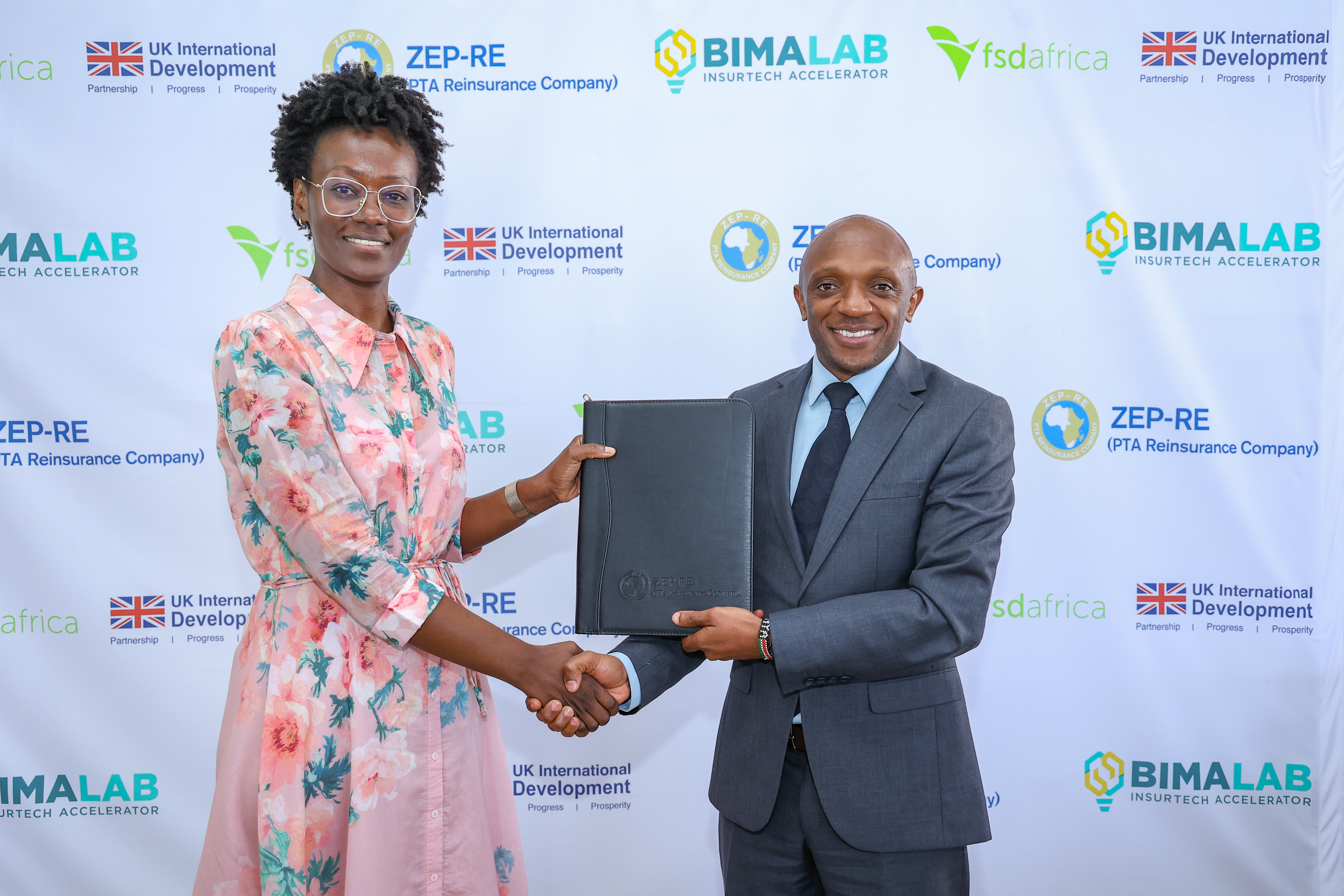
Expected to launch in January 2026, the Fund’s blended structure combines junior equity from catalytic investors, anchored by FSD Africa Investments (FSDAi), FSD Africa’s investment arm, with senior equity from commercial and strategic investors led by Zep Re. 3iF will provide investment growth capital to successful graduates of BimaLab as well as other promising ventures, complementing the BimaLab ecosystem.

Speaking ahead of the BimaLab Africa Insurtech Summit, Kelvin Massingham, Director, Adaptation and Resilience, FSD Africa, commented: ““The launch of the 3i Fund opens an exciting new chapter for insurance innovation in Africa. By investing in the next generation of insurtech pioneers, we are unlocking opportunities to expand access, affordability, and resilience for millions across the continent. Our goal is to empower visionary startups to transform how insurance works for everyone—driving inclusive growth, climate resilience, and financial security for Africa’s future.”.

A new Regulatory Sandbox Eligibility Assessment Toolkit was also launched at the BimaLab Insurtech Accelerator Summit, a practical resource designed to help African insurance regulators to quantify the level of impact new insurtech innovations will have on their economies, supporting further investment, testing and development of impactful innovations within regulatory sandboxes.

The toolkit is designed to streamline how regulators evaluate emerging insurtech models, lower barriers for startups, and ultimately expand access to affordable risk protection, particularly for informal workers, rural communities, smallholder farmers, and low-income households.

Commenting on the new toolkit, Godfrey Kiptum, MBS, CEO and Commissioner, Insurance Regulatory Authority (IRA), Kenya, said:

“By strengthening the regulatory environment, we are laying the foundation for a more resilient and inclusive insurance ecosystem for Africa’s next decade. Building regulatory readiness for innovation is key, and BimaLab’s new toolkit will be an invaluable resource not only for us here in Kenya, but for African regulators across the continent.”


Driving Inclusive Insurance Across Africa

Africa faces a major protection gap, with insurance penetration below 3% in most countries. This leaves individuals, small businesses, and vulnerable communities exposed to risks they cannot recover from quickly. Around 80% of economic losses from natural disasters went uninsured in 2022, up from 58% in 2021.

Launched in Kenya in July 2020 by the IRA and FSD Africa, the BimaLab Accelerator Programme has become Africa’s leading insurance innovation platform. It aims to harness technology innovations that increase insurance penetration among low-income and underserved communities and is a key component of FSD Africa’s mission to build resilient, inclusive financial markets across the continent of Africa. BimaLab was created to foster innovation and accelerate the development of insurtech product development and distribution, helping startups to scale and develop market-ready solutions, and supporting regulatory engagement and inclusivity throughout the insurance sector.

Elias Omondi, Principal of Innovation for Resilience adds;

Africa’s protection gap is not just a market failure, it’s a capacity and capital gap. BimaLab Africa Insurtech Accelerator combines focused technical support with catalytic funding, we enable insurtechs to de-risk innovation, scale inclusive products and reach the millions who remain unprotected.”

The 2-day BimaLab Africa Insurtech Summit 2025 held in Nairobi, brought together insurers, regulators, investors, innovators, tech partners, and development leaders driving the transformation of insurance across Africa, under the theme “Insuring Africa’s Future: Innovation, Inclusion and Investment”.

Ted Pantone, CEO and Co-founder of Turaco, a Kenyan micro-insurance company showcasing its innovative insurance products at the Summit, commented: “Our vision when we launched in 2019 was to insure 1 billion people across the continent, and already, with BimaLab’s ongoing support, we have successfully expanded to Uganda, Nigeria and Ghana, and are now insuring over 1 million customers and processing over 20,000 claims. We are proof that this programme really works.”


Notes to Editors

For more information, please contact:

Kaara Wainana, Senior Manager Advocacy, Campaigns & Partnerships, FSD Africa

Kaara@fsdafrica.org


About the BimaLab Insurtech Accelerator

BimaLab, backed by FSD Africa and the Swiss Re Foundation, is an innovation accelerator focused on strengthening Africa’s insurtech ecosystem. It supports early- to growth-stage startups through mentorship, technical assistance, partnerships, investor readiness, and regulatory engagement. Its core mission is to increase insurance penetration among underserved communities by fostering the development and scaling of inclusive, climate-resilient insurance products while integrating innovation into regulatory frameworks.

Since its launch in 2020, BimaLab has supported over 135 startups in 28 African countries, facilitating the creation of 150+ insurance solutions that now reach over 6 million African customers. The program has collaborated with 15 insurance regulatory authorities supporting the development of 7 insurance regulatory sandboxes.

BimaLab’s annual innovation summits and its alumni pipeline have further helped drive policy reform and attract global investment, positioning it as a leading force in insurance innovation across the continent.

Commentary: Beyond Mobile Money, Mobilising Africa’s $2.4tn in Domestic Capital

Patrick Njoroge (“A financial meltdown in Africa will affect everyone”, Opinion, September 4) is correct in highlighting improved financial inclusion and growth in remittances as reasons to be cautiously optimistic about Africa’s long-term future. Business leaders in retail finance must surely be looking forward with great confidence to the economies of scale that will eventually come from serving a tech-savvy population whose median age is 19 and growing almost three times faster than that of the EU.

But he overlooks another reason for optimism — the growth in domestic institutional assets under management, which FSD Africa estimates now stand at well over $2.4tn across Africa, 50 times greater than annual aid flows to the continent. Growth in Kenyan pension assets in 2024 was up 14 per cent in Kenyan shilling terms and 40 per cent higher in dollars, but could have been even faster, according to the regulator, had there been a more supportive policy and regulatory environment.

As Njoroge rightly says, Africa needs stronger domestic financial markets. Rebalancing long-term financing towards local currency would make growth less reliant on international finance, including aid, and more resilient to shocks, not least those resulting from climate change.

As an innovation in African financial markets, mobile money was staggeringly successful. We now need breakthrough innovation in African capital markets to draw private institutional capital away from defaulting to funding government debt so that potentially very large volumes of capital can be put to work funding the projects that will give Africans the jobs and basic services they want.

Mark Napier

Chief Executive Officer, FSD Africa, Nairobi, Kenya

Four African Projects Selected for CAPE’s First Cohort

FSD Africa, through the Carbon Accelerator Programme for the Environment (CAPE), has announced the first cohort of projects to receive support in advancing community-led ecosystem restoration through nature-based carbon initiatives.

Chosen from over 100 applicants across 28 African nations, the four projects span Kenya, Nigeria, Tanzania and Zambia, and together cover more than one million hectares of land. They include forest regeneration in Nigeria’s Gashaka Gumti National Park, community-led restoration in Tanzania’s Rubeho Mountains, rangeland rehabilitation in Zambia’s Barotseland, and mangrove restoration in southeastern Kenya’s Papariko Mangroves.

Launched in November 2024 by FSD Africa, in partnership with the African Natural Capital Alliance (ANCA) and Finance Earth, CAPE was designed to address the shortage of early-stage funding for nature-based carbon projects in Africa. By offering recoverable grants and tailored transaction advisory support, CAPE helps projects move from concept to investment readiness.

With Africa’s GDP heavily dependent on natural capital, these projects demonstrate how nature can serve as both a climate solution and an economic asset.

As Reshma Shah, Carbon Markets Lead at FSD Africa, noted:

These projects go beyond generating carbon credits—they are blueprints for redefining how the world invests in and values nature.

You can access the full press release here.