Category: News

Regional carbon market roundtable highlights growing focus on financing readiness

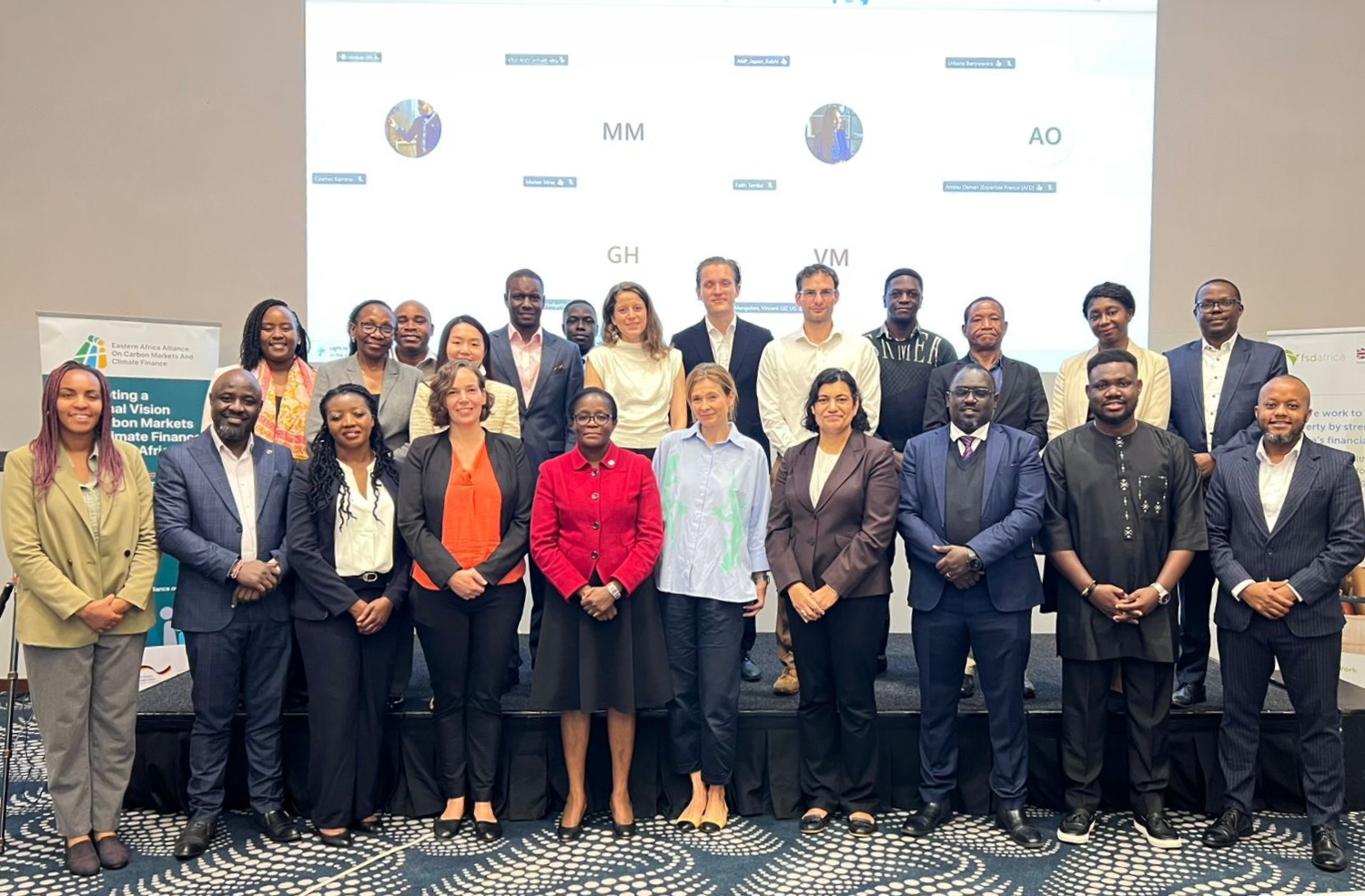
Representatives from donor agencies, development finance institutions, climate finance organisations, technical partners, and regional market initiatives during the Regional Donor Roundtable on Financing Readiness in Carbon Markets held in Nairobi on 7 May 2026. Photo FSD Africa.


Nairobi, Kenya – FSD Africa co-hosted a regional donor roundtable on financing readiness in African carbon markets in Nairobi on 7 May 2026, bringing together development partners, policymakers, technical organisations, and market actors to examine how stronger policy and regulatory environments can help unlock financing into African carbon markets.

Co-hosted with the Eastern Africa Carbon Alliance, the meeting brought together more than 30 senior representatives from donor agencies, climate finance organisations, and market ecosystem partners to discuss how the region can build more credible, coordinated, and investable carbon market ecosystems.

The discussions took place against a backdrop of shrinking development budgets and growing demand for support around carbon market regulation, institutional readiness, and implementation capacity. Participants agreed that stronger coordination across institutions will be essential if the region is to build functioning carbon markets capable of attracting long-term private investment.

The workshop included representatives from the World Bank, African Development Bank, United Nations Environment Programme, United Nations Development Programme, GIZ, European Union, JICA, and FCDO, alongside conservation organisations, technical assistance providers, and regional market initiatives.


Building more coordinated and investable carbon markets

Discussions focused on where financing and implementation gaps remain across the region, where support efforts overlap, and how institutions can work together more strategically to reduce duplication and strengthen regional impact. Participants also explored how support in one country or initiative could potentially be leveraged into others through stronger partnerships and coordinated approaches.

A strong theme throughout the discussions was the need for deeper collaboration across the ecosystem to improve efficiency, reduce duplication, and strengthen the overall impact of support being provided across the region.

Stakeholders also expressed strong interest in exploring a more structured platform that could improve visibility across country readiness efforts, ongoing interventions, partnership opportunities, and outstanding financing gaps. Participants noted that clearer coordination and transparency could help strengthen investor confidence while improving how support is deployed across the market ecosystem.

Reshma Shah said the discussions reinforced growing recognition that policy and regulatory stability are no longer secondary considerations in carbon markets, but central determinants of whether markets succeed in attracting investment.

Across our engagements with financial institutions, there is clear interest from banks, insurers, pension funds, and investors…But carbon markets continue to be perceived as high risk, with policy and regulatory uncertainty remaining one of the main drivers of that risk perception

She added that carbon markets represent a potentially important mechanism for mobilising climate finance across the region, but that stronger institutional coordination and clearer market signals will be needed if countries are to move from fragmented pilot activity toward functioning and investable markets.


A changing funding landscape

Reflecting on the discussions, Mark Napier noted that tightening aid budgets are forcing organisations to think more carefully about where catalytic support can have the greatest impact.

This is a good illustration of how shrinking aid budgets are forcing everyone to focus on the most salient issues

he said following the roundtable discussions.

Napier also reflected on the importance of understanding where meaningful capital and ecosystem support is emerging across the sector, particularly as countries seek to build enough scale and coordination to make carbon markets viable over the long term. He pointed to the potential for countries such as Ethiopia to emerge as important testing grounds for carbon market development where sustained commitments, ecosystem coordination, and market activity begin to reach critical mass.


Strengthening the enabling environment for investment

For FSD Africa, the convening reinforced the role the organisation can play in helping connect policy readiness and market infrastructure directly to capital mobilisation outcomes. Rather than focusing on detailed policy implementation work, the organisation’s role is to help build the enabling conditions that improve investor confidence and connect policy, projects, and financial markets into clearer investment pathways.

The group agreed to reconvene virtually in the coming weeks to review consolidated workshop outputs and identify priority areas for collaboration going forward.
FSD Africa engages Zambia’s early-stage finance ecosystem at InvestFest Zambia

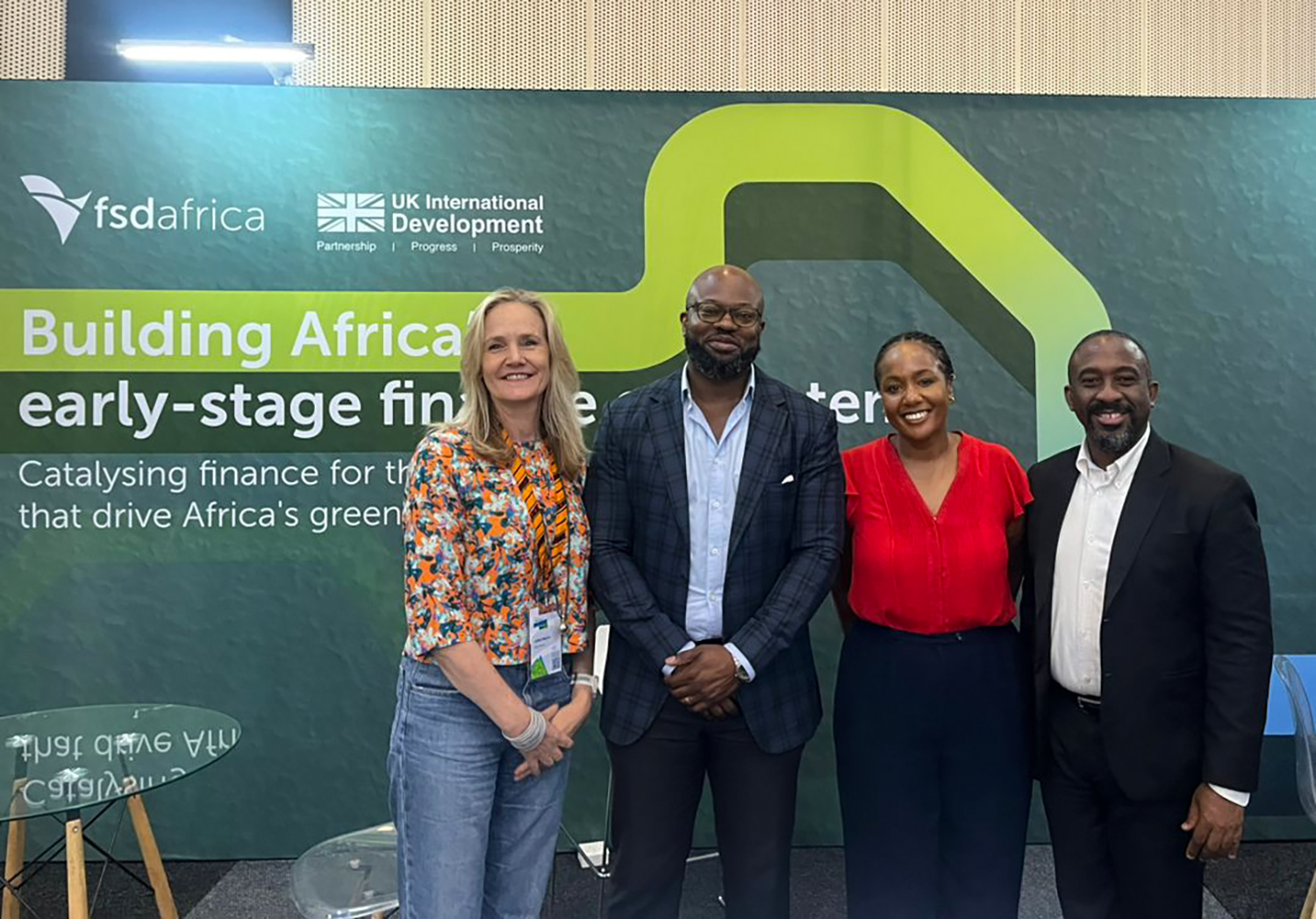
The FSD Africa team at InvestFest Zambia. From left: Juliet Munro, Director of Early-Stage Finance, Rodney Carew from FSD Africa Investments (FSDAi), Kevin Simmons, and Mary Kashangaki. Photo FSD Africa


Lusaka, Zambia – InvestFest Zambia, convened by Impact Capital Africa to bring together investors, entrepreneurs, fund managers, and ecosystem enablers supporting Zambia’s investment ecosystem, took place in the capital city of Lusaka from 5–6 May 2026.

FSD Africa’s Early-Stage Finance team participated in the two-day conference alongside a three-day investor roadshow hosted by British International Investment (BII) and Impact Capital Africa. The engagements provided an opportunity to better understand the opportunities and constraints shaping Zambia’s early-stage finance ecosystem, while exploring how FSD Africa could support the growth of local investment ecosystems and capital providers.

Throughout the week, the team engaged with a range of ecosystem actors, including local fund managers, investors, entrepreneurs, legal experts, regulators, angel networks, and government representatives. Discussions focused on the practical challenges affecting local capital mobilisation, fund formation, and financing for small and growing businesses in Zambia.


Exploring what local fund ecosystems need to grow

FSD Africa and XSML, an investment firm focused on financing small and medium-sized businesses in frontier markets, co-facilitated a roundtable discussion on what is needed to support the growth and sustainability of local fund managers in Zambia.

Participants highlighted challenges including limited local institutional participation, low allocator familiarity with private capital, gaps in ecosystem coordination, and the difficulty first-time fund managers face in attracting anchor investors.

The discussions also pointed to growing interest in building stronger market infrastructure to support local private capital ecosystems, including fund manager incubation, investor education, local currency capital mobilisation, and stronger coordination between ecosystem actors.

Alongside the roundtable, FSD Africa co-hosted a practical bootcamp with Investisseurs & Partenaires (I&P) focused on “how to become a fund manager in Zambia.” The session explored the realities of fundraising, governance, deployment discipline, and building durable investment institutions in emerging markets.

The bootcamp generated strong interest from local participants and reinforced demand for more practical support for emerging fund managers.


A long-term approach to ecosystem building

During the conference, Juliet Munro delivered a pitch-style presentation highlighting FSD Africa’s approach to early-stage finance and inviting ecosystem partners to collaborate in strengthening Zambia’s investment ecosystem.

“We are interested in investing in first-time capital providers and helping build that market of first-time managers into an investable asset class,” she said. “But it’s not only about capital. We also provide non-financial support, research, market data, and ecosystem-building support because we take a systemic approach.”

The team also participated in investor engagements focused on Zambia’s wider economic and financing landscape, including a breakfast meeting held in Lusaka in May 2026 with Jito Kayumba, Special Assistant to the President for Finance and Investments.

Discussions highlighted Zambia’s long-term economic ambitions and the importance of building stronger financial systems, domestic capital mobilisation mechanisms, and investment infrastructure to support growth.

For FSD Africa, the week reinforced both the growing momentum within Zambia’s investment ecosystem and the need for locally rooted ecosystem-building approaches that help more capital reach small and growing businesses.

The conference and associated roadshow reinforced the importance of locally rooted ecosystem engagement…It provided a strong foundation for continued collaboration and exploration in Zambia’s early-stage finance market.

said Mary Kashangaki.


Several opportunities also emerged from the engagements, including potential pipeline opportunities for FSD Africa’s Manager Finance Facility, support for emerging fund managers, strengthening angel investor networks, and further collaboration around ecosystem development and investment readiness.

Debt, climate, and capital markets in focus at Africa Forward Summit

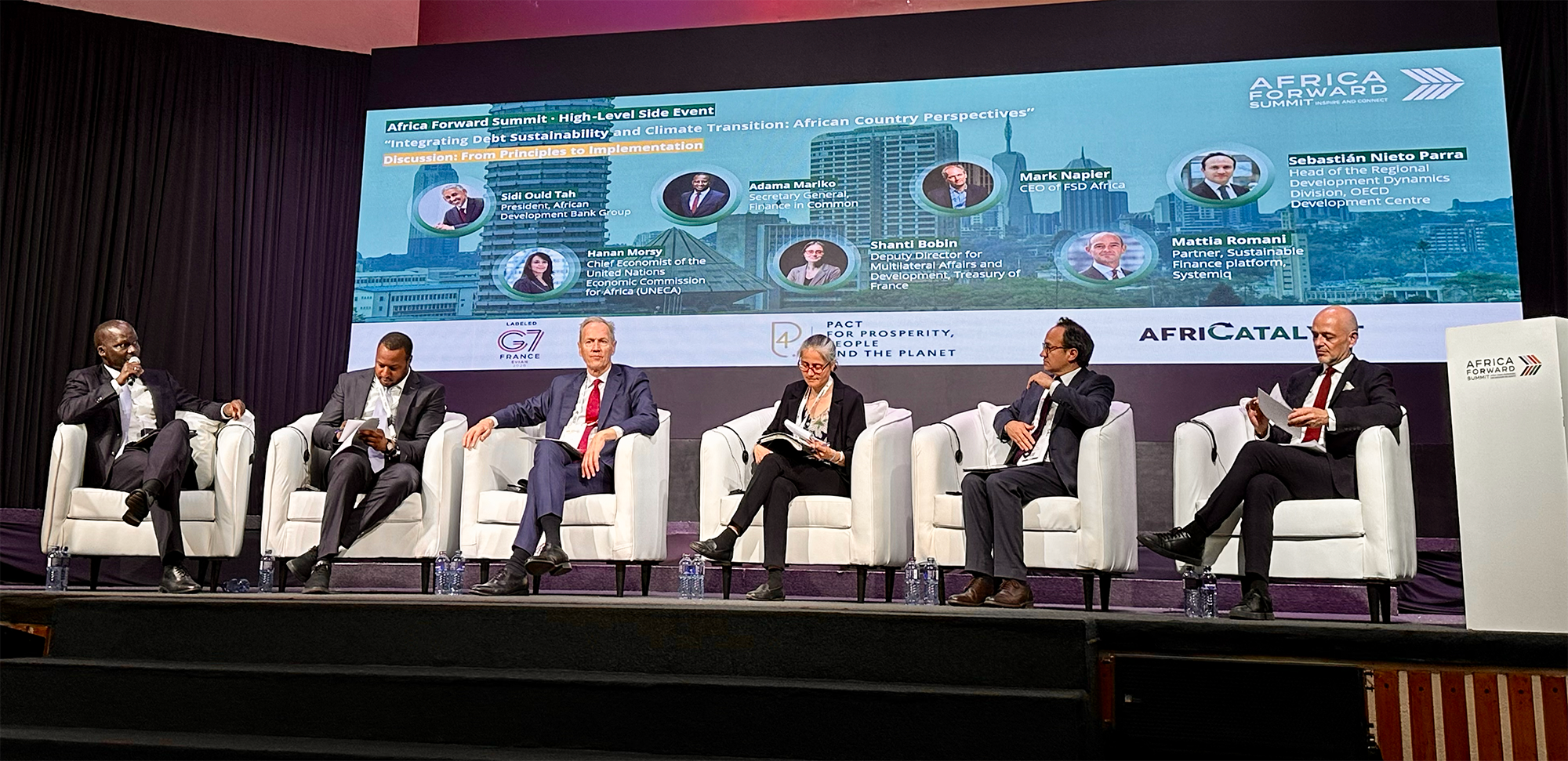
L – R: Adama Mariko , Mark Napier of FSD Africa, Shanto Bosin of Treasury of France, Sebastián Nieto Parra of OECD and Mattia Romani of Systemiq at the Africa Forward Summit in Nairobi, Kenya on 11 May 2026. Photo FSD Africa/Mireille Ferrari.


Nairobi, Kenya – African countries are under growing pressure to manage debt, respond to climate shocks, and continue financing development despite shrinking fiscal space.

These challenges were at the centre of discussions during a high-level session at the Africa Forward Summit in Nairobi held on 11 May 2026, where policymakers, development finance leaders, and international partners explored how debt sustainability and climate resilience can be better integrated into development planning and financing frameworks.

The side event, titled “Integrating Debt Sustainability and Climate Transition: African Country Perspectives,” was jointly convened by the Pact for Prosperity, People and the Planet (4P) and AfriCatalyst. Discussions focused on practical reforms that could help countries invest in resilience and development without worsening fiscal pressures.

Opening the session, Moussa Faki, 4P Special Envoy, stressed the importance of creating spaces where countries can share lessons and shape solutions based on their own experiences, while helping countries navigate increasingly fragmented debt and climate financing systems.


Rwanda highlights the importance of climate-informed financing

A recurring message throughout the discussion was that African countries are not simply asking for more finance, but for financial systems better aligned to their realities.

Drawing on Rwanda’s experience, Claudine Uwera, Senior Strategic Advisor to the Prime Minister of Rwanda, highlighted how innovative financing tools can help countries invest in resilience without undermining fiscal stability.

“Fiscal responsibility and climate resilience are not competing priorities,” she said.

We need to build economies that are resilient, stable, and sustainable for the future.

Uwera pointed to Rwanda’s use of sustainability-linked financing and risk-sharing mechanisms, including a EUR 200 million credit guarantee facility, as an example of how blended finance approaches can mobilise investment while reducing pressure on public resources.


Mobilising domestic and private capital

Much of the discussion focused on the role domestic capital markets and private capital must play if African countries are to finance infrastructure, adaptation, and economic transformation at scale.

Mark Napier, CEO of FSD Africa, said governments across the continent are operating under severe fiscal constraints, making it impossible for public finance alone to meet development and climate investment needs.

Governments are so stretched for cash they can’t fund the things we’d like them to fund

Napier argued that debt sustainability directly affects both the availability and cost of capital, limiting countries’ ability to attract investment into productive sectors. He called for stronger support to help countries navigate guarantees, insurance products, and other risk-sharing instruments.

“There is a lot that is there,” he said.

But it’s really complicated. Knitting all that together requires support on the demand side.

Using Nigeria as an example, Napier noted that while pension and institutional capital pools are growing, around 60% remains invested in government securities, while only 1.2% is directed toward infrastructure.

“We have to get away from that,” he said, arguing that deeper capital markets are essential if African economies are to finance long-term resilience and growth.


Climate resilience must be built into financial systems

Several panellists stressed that debt and climate discussions cannot focus only on financing instruments, but must also address institutional capacity and long-term planning.

Shanti Bobin, Deputy Director for Multilateral Affairs and Development at the French Treasury, argued that climate resilience and development should be viewed together from the outset of debt planning and investment decisions.

“Climate and development are two sides of the same coin.”

From the OECD Development Centre, Sebastián Nieto Parra highlighted the need for stronger debt management, better regulation of sustainable finance instruments, and improved information systems to help reduce the cost of capital facing African countries. He also warned that declining official development assistance will make partnerships and technical assistance increasingly important.


Better recognising the value of adaptation and resilience

Mattia Romani, Partner at Systemiq, argued that global financial systems still struggle to properly value investments in adaptation and resilience.

We are good at assessing and reducing risk on debt sustainability,” he said. “But when it comes to adaptation and resilience, we are not ready in reflecting that value.

Drawing on Systemiq’s work with Uganda, Romani explained how climate preparedness and resilience planning can help send stronger signals to investors and financial institutions over time.


From discussion to implementation

Closing the session, African Development Bank President Dr Sidi Ould Tah spoke about the African Financial Stability Mechanism, a shared continental financial safety mechanism intended to help African countries manage financial shocks, strengthen financial stability, and reduce the high borrowing costs many continue to face in global markets. The mechanism echoed many of the themes raised throughout the discussion, particularly the need for African-led financial solutions that can help countries navigate debt pressures while continuing to invest in resilience and development.

Throughout the discussion, speakers repeatedly returned to the gap between the financial tools available globally and the realities African countries are managing on the ground, from climate vulnerability and constrained fiscal space to the high cost of capital and limited room for long-term investment.

Backing African Ventures: What will it take to Shift the Balance of Capital?

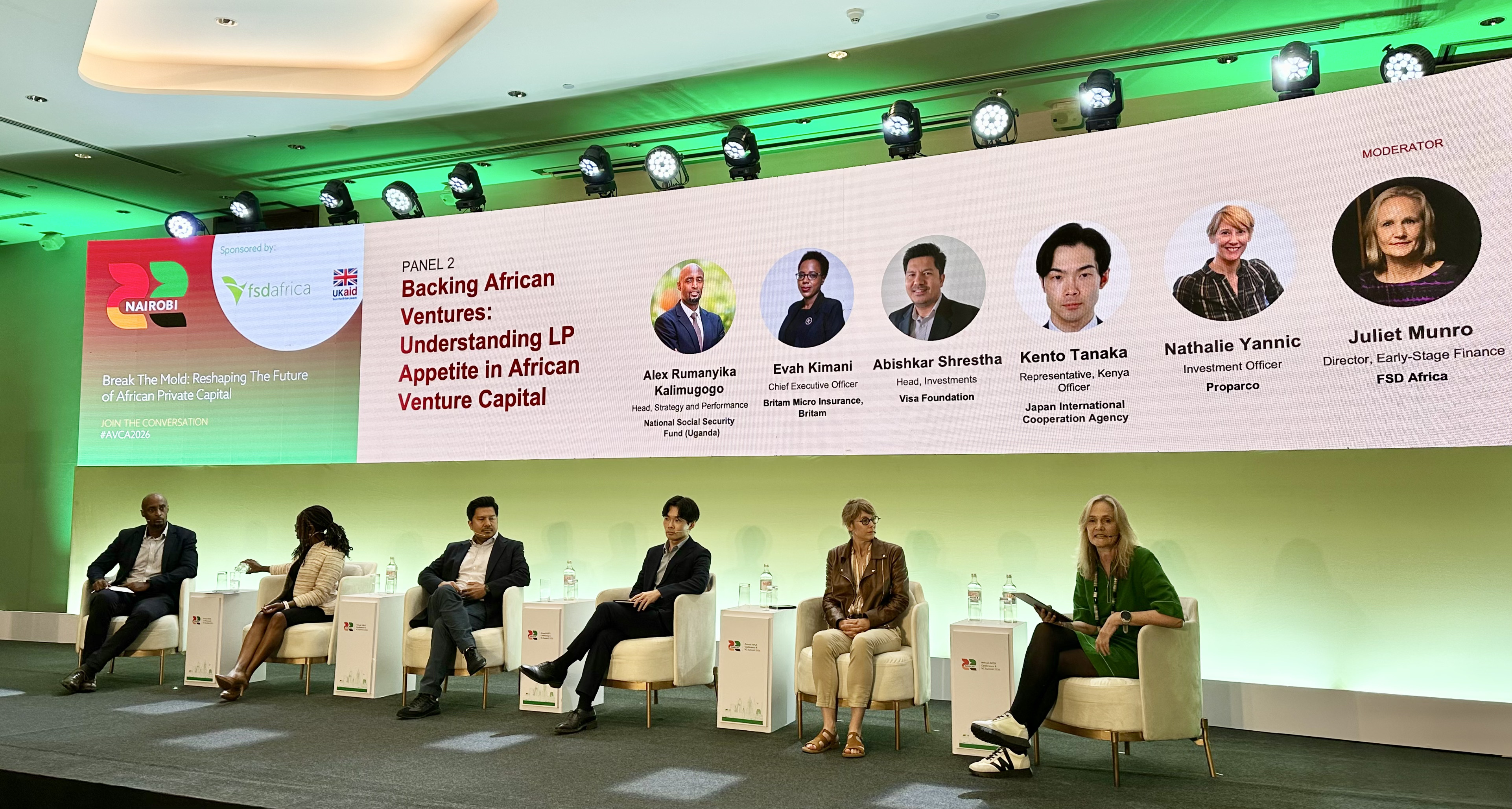
L – R: Alex Ramnyika from the Uganda National Social Security Fund, Evah Kimani from Britam Micro Insurance, Abishkar Shrestha from Visa Foundation, Kento Tanaka from JICA, Nathalie Yannic from Proparco, and Juliet Munro from FSD Africa. Photo FSD Africa/Mireille Ferrari.


At the 22nd conference of AVCA, held in Nairobi on 27 April 2026, one of the opening plenaries – convened by FSD Africa and moderated by its Director of Early Stage Finance, Juliet Munro – focused on a question that continues to shape conversations around African venture capital: why does global capital still dominate, and what would need to shift for domestic investors to play a much bigger role?

Bringing together experts and practitioners from development finance institutions (DFIs), corporates, foundations, and pension funds, the discussion stayed close to the practical realities on the investor side. These are the limited partners (LPs), the institutions that allocate capital into venture funds. What emerged wasn’t a lack of interest from local investors, but a set of frictions around how institutions are set up, how risk is defined, and how venture capital fits (or doesn’t) within existing mandates.

Running through the discussion was a broader concern: if the early-stage capital base continues to weaken, the future pipeline of larger investments across the continent could weaken with it.


How DFIs are shaping the market

There was general consensus across the panel that the market is evolving, albeit unevenly. Venture capital in Africa is becoming more deliberate, less driven by hype, but many of the underlying structures haven’t kept pace.

Natalie Yannic from Proparco reflected on the role DFIs have played so far. A long-standing investor in African venture capital, Proparco has committed more than EUR 4.6 billion across the continent between 2022 and 2025. She noted that “the role of DFI is to show what is possible by committing capital, and to attract private capital” with the longer-term objective being “to eventually give the baton to private investors.” The handover is still in progress, however, highlighting the need for more exits in the ecosystem.

Kento Tanaka, Kenya representative for the Japan International Cooperation Agency (JICA), emphasised that “Africa investments should focus not on short term cycled dynamics, but clear strategic intents.” For JICA, that means working closely with governments to build the policy and market conditions that allow startups to grow and become investable. This includes platforms such as NINJA (Next Innovation with Japan), which connect startups to capital while strengthening the broader ecosystem. In that sense, the role of DFIs goes beyond deploying capital. They help create the conditions that make it possible to crowd in more domestic and institutional capital over time.

For Visa Foundation, the challenge lies in how venture capital is structured. As Senior Director of Investments Abishkar Shrestha put it, “once you commit, you delegate.” Referring to the way investors commit capital to a fund but leave investment decisions to the fund manager, a structure that can be difficult for institutions used to more direct oversight.

This reflects a deeper mismatch. Pension and insurance systems were built around predictable, liquid assets, while venture capital is long-term and illiquid by design. Many local institutional investors don’t yet have the mandates, structures, or risk frameworks to invest in venture capital funds. In addition, Local LPs face market, regulatory, and policy constraints that further limit their participation.

At the same time, this creates a different kind of opportunity. Rather than retrofitting existing systems, there is space to build the ecosystem and the capital structures together, so that local investors can participate more gradually and on terms that fit.


Why local investors aren’t (yet) set up for venture capital

From Britam Holdings, Chief Executive Officer of Britam Microinsurance Evah Kimani brought the discussion back to what participation looks like in practice. Corporates are already engaging with startups – not just as investors, but as value-adding partners providing capital, business support, distribution channels, customers, and platforms for scale.

The primary constraint is regulatory, she noted: insurance firms are limited in how much risk they can take on, even where there is clear strategic value. Without more flexibility, and ways to share that risk, their participation in venture will remain limited. She also emphasized the need for greater collaboration among investors and for regulators to enable more innovation to support ecosystem growth.

From Uganda National Social Security Fund(NSSF), Head of Strategy Alex Rumanyika offered a more direct framing of why this matters internally, noting that “if we don’t enter into this space, it is an existential crisis for pension funds.” A big part of the work starts internally, bringing investment, risk, and leadership teams along to get comfortable with a space that sits outside traditional mandates.

They are testing what participation could look like in practice – starting with grant-like or CSR structures, backing hundreds of startups, and now moving toward a more formal investment approach through a fund of funds. The logic is straightforward: if pension funds are to grow, the economies they depend on need to generate more businesses and more jobs. That, in turn, creates more contributors into the system. Supporting SMEs and new sectors is not just about diversification – it is about helping to build the future member base.


What to watch over the next year

Juliet Munro closed the session by asking each panellist to name one priority that, if progress is made over the next 12 months, could start to shift the balance of capital. The answers were specific, and together they offer a useful way to track what changes between now and the next AVCA conference in 2027:

  • Progress on exits and liquidity, to give investors clearer line of sight on returns
  • Stronger relationships and clearer communication between fund managers and investors, particularly as newer LPs enter the space
  • Early signs of domestic institutional capital coming in at scale, not just at the margins
  • Regulatory space for corporates to participate more actively
  • The emergence of local investment vehicles, especially funds of funds in local currency, that pension funds can realistically allocate to

What changes between now and the next AVCA will give a clearer sense of how quickly that shift is actually happening.

FSD Africa welcomes three new board members

FSD Africa is pleased to welcome three new Non-Executive Directors to its Board: Rolake Akinkugbe-Filani, Ramatoulaye Adama Diallo and Cheikh Oumar Seydi.

Our new Board members bring perspectives and expertise aligned with FSD Africa’s mandate and operating context, including market development, capital mobilisation and governance in complex, multi-stakeholder and multi-donor environments.

Together, they have worked with and alongside development partners, institutional investors, governments, and the private sector to align interests and support the delivery of long-term, system-level outcomes. They bring depth in energy and infrastructure finance, digital financial systems, and development finance, complementing our existing Board.

Meet our new board members

Rolake Akinkugbe-Filani brings deep expertise in energy finance, infrastructure, and investment banking across more than 30 African markets. As the founding CEO of EnergyInc Advisors, and through senior roles at Ecobank, FBNQuest, Mixta Africa (now part of ARM), and Zenith, she has structured transactions and mobilised capital in complex environments. Her background will support FSD Africa’s work to build investible pipelines and develop financial instruments that channel capital into energy and infrastructure at scale..

Ramatoulaye Adama Diallo (Rama) brings extensive leadership across financial services, fintech, and digital platforms, with particular insight into how digital systems are reshaping market participation and access. She has held CEO, CFO, and COO roles across Africa, Europe, the Middle East and the United States, scaling regulated financial institutions and expanding financial inclusion. Her background, including roles at Morgan Stanley, Orange, Etisalat, and Google, combines financial expertise with a strong understanding of how digital financial systems are evolving. This will support FSD Africa’s work to connect financial market development with the continent’s fast-evolving digital ecosystem.

Cheikh Oumar Seydi brings more than three decades of leadership across development finance, investment, and philanthropy in emerging markets. At the International Finance Corporation, he led investment and advisory operations across Sub-Saharan Africa, and at the Gates Foundation he oversaw the expansion of programmes across the continent. He brings deep experience in building partnerships and delivering at scale across public and private sectors, which is central to FSD Africa’s work to shape markets and unlock capital.

Looking ahead

These appointments bring immensely valuable experience to FSD Africa as it continues its work of transforming Africa’s financial markets and supporting long-term growth and resilience across economies, businesses, and communities.

FSD Africa Board Chair, Dr Frannie Léautier, said:  “We warmly welcome Rolake, Rama and Cheikh Oumar to our Board. As Africa’s financial landscape evolves, the need for bold, and forward-looking governance has never been greater. Their insight and collective experience will help shape the future of finance in Africa and deepen our impact at scale.”


Commentary: Beyond Mobile Money, Mobilising Africa’s $2.4tn in Domestic Capital

Patrick Njoroge (“A financial meltdown in Africa will affect everyone”, Opinion, September 4) is correct in highlighting improved financial inclusion and growth in remittances as reasons to be cautiously optimistic about Africa’s long-term future. Business leaders in retail finance must surely be looking forward with great confidence to the economies of scale that will eventually come from serving a tech-savvy population whose median age is 19 and growing almost three times faster than that of the EU.

But he overlooks another reason for optimism — the growth in domestic institutional assets under management, which FSD Africa estimates now stand at well over $2.4tn across Africa, 50 times greater than annual aid flows to the continent. Growth in Kenyan pension assets in 2024 was up 14 per cent in Kenyan shilling terms and 40 per cent higher in dollars, but could have been even faster, according to the regulator, had there been a more supportive policy and regulatory environment.

As Njoroge rightly says, Africa needs stronger domestic financial markets. Rebalancing long-term financing towards local currency would make growth less reliant on international finance, including aid, and more resilient to shocks, not least those resulting from climate change.

As an innovation in African financial markets, mobile money was staggeringly successful. We now need breakthrough innovation in African capital markets to draw private institutional capital away from defaulting to funding government debt so that potentially very large volumes of capital can be put to work funding the projects that will give Africans the jobs and basic services they want.

Mark Napier

Chief Executive Officer, FSD Africa, Nairobi, Kenya

Four African Projects Selected for CAPE’s First Cohort

FSD Africa, through the Carbon Accelerator Programme for the Environment (CAPE), has announced the first cohort of projects to receive support in advancing community-led ecosystem restoration through nature-based carbon initiatives.

Chosen from over 100 applicants across 28 African nations, the four projects span Kenya, Nigeria, Tanzania and Zambia, and together cover more than one million hectares of land. They include forest regeneration in Nigeria’s Gashaka Gumti National Park, community-led restoration in Tanzania’s Rubeho Mountains, rangeland rehabilitation in Zambia’s Barotseland, and mangrove restoration in southeastern Kenya’s Papariko Mangroves.

Launched in November 2024 by FSD Africa, in partnership with the African Natural Capital Alliance (ANCA) and Finance Earth, CAPE was designed to address the shortage of early-stage funding for nature-based carbon projects in Africa. By offering recoverable grants and tailored transaction advisory support, CAPE helps projects move from concept to investment readiness.

With Africa’s GDP heavily dependent on natural capital, these projects demonstrate how nature can serve as both a climate solution and an economic asset.

As Reshma Shah, Carbon Markets Lead at FSD Africa, noted:

These projects go beyond generating carbon credits—they are blueprints for redefining how the world invests in and values nature.

You can access the full press release here.

FSD Africa and Children’s Investment Fund Foundation (CIFF) launch Sovereign Debt Advisory & DMO Institutional Support Programme

FSD Africa Launches New Programme to Integrate Sustainable Finance into Africa’s Debt Strategies

FSD Africa, in partnership with the UN Economic Commission for Africa (UNECA) and supported by the Children’s Investment Fund Foundation (CIFF), has launched a new technical assistance and institutional support programme for Debt Management Offices (DMOs) across Africa.

The initiative will help governments embed sustainability into their sovereign debt strategies, unlocking fiscal space for development and climate action, while mobilising both domestic and international investment.

Announced shortly after the Africa Climate Summit in Ethiopia, the programme reflects FSD Africa’s commitment to advancing Africa-led solutions, resilient local-currency finance, and sustainable growth. It also builds on FSD Africa’s 2025–2030 strategy, which aims to catalyse £10 billion of private capital—most of it in local currency—for climate-positive economic transformation.

The facility will provide DMOs and Ministries of Finance with funded, practical support in areas such as sustainability-integrated debt strategy, preparation of new financing instruments, investor engagement, institutional strengthening, and market development.

Mark Napier, CEO of FSD Africa, commented:

Sustainable finance is not a label change—it’s a fiscal strategy. By integrating sustainability into sovereign debt management, countries can lower refinancing risk, extend maturities, and unlock capital for productive, climate-positive national priorities.

You can access the full press release here.

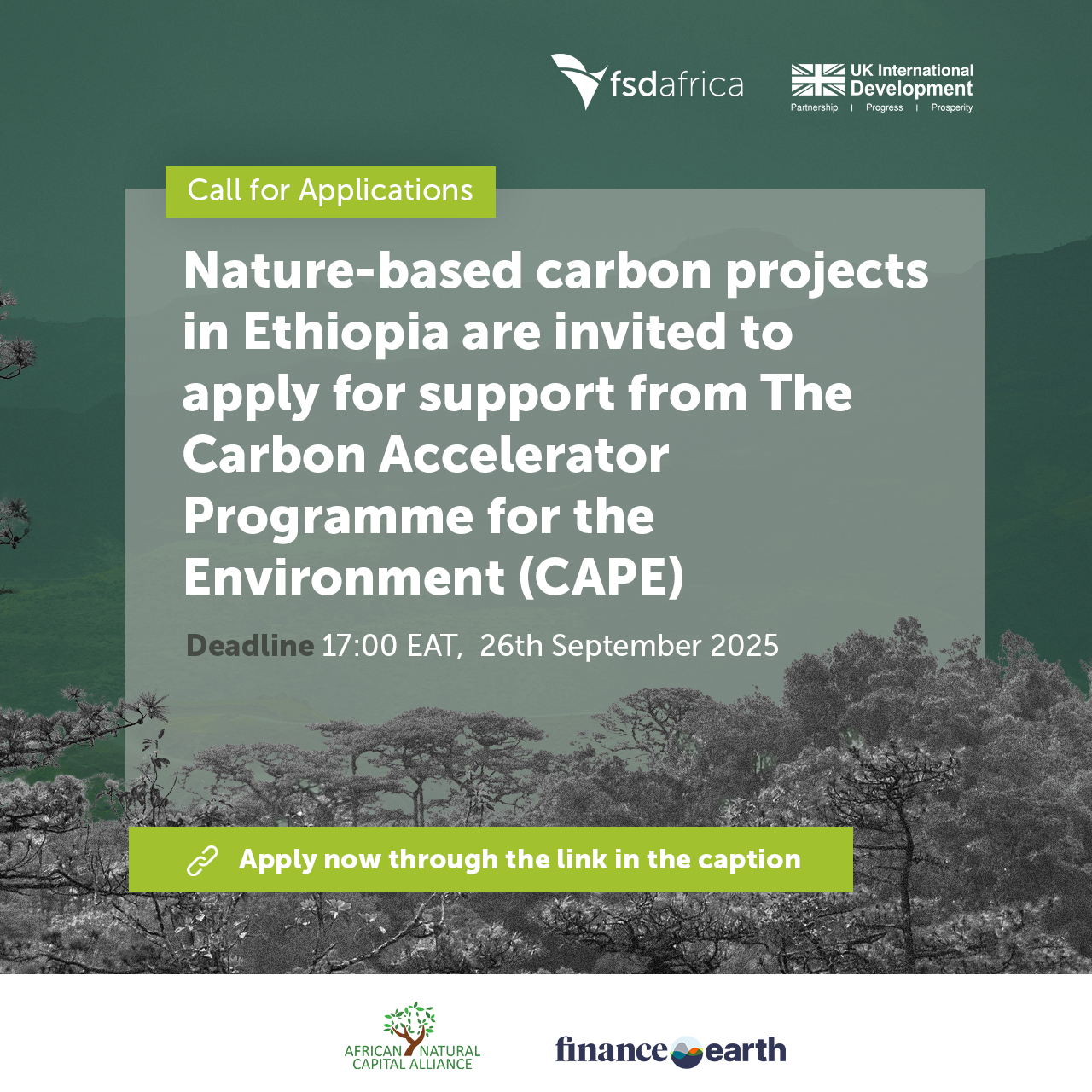
Nature-based carbon projects in Ethiopia invited to apply for support from The Carbon Accelerator Programme for the Environment (CAPE)

CALL FOR APPLICATIONS

Addis Ababa, Ethiopia, 9 September 2025: The Carbon Accelerator Programme for the Environment (CAPE), in partnership with FCDO Ethiopia, is pleased to announce that it is seeking applications from impactful nature-based carbon and biodiversity projects in Ethiopia for its next cohort.

Local nature-based carbon project developers are invited to submit an Expression of Interest (EOI) via this link: https://forms.gle/Yq9eQ4Pc2HyCfNLB8 no later than 17:00 EAT on Friday 26th September.

CAPE is an initiative being delivered by FSD Africa in partnership with Finance Earth and the African Natural Capital Alliance (ANCA) to mobilise investment into projects across Africa to cut carbon emissions and protect biodiversity while also benefitting local communities.

Who is eligible for this cohort?

  • Location: Projects located in Ethiopia
  • Project Type: Nature-based carbon projects with strong biodiversity and local community impact potential
  • Development stage: We encourage projects at any stage of their development journey to apply

CAPE provides project development support and transaction advisory services to accelerate high-integrity, nature-based projects towards investment.

The first cohort of CAPE is already underway, with support being provided to four projects in Kenya, Tanzania, Zambia and Nigeria.

CAPE is particularly interested in projects that:

  • Have a clear pathway to financial viability
  • Are considering biodiversity and social impact beyond carbon standard requirement (e.g., Verra CCB)
  • Intend to use a robust standard for validation and verification
  • Can be scaled and/or replicated

By applying, you wlll be considered for tailored support from the CAPE team to strengthen your project’s technical, financial, and impact foundations, and prepare it for investment.

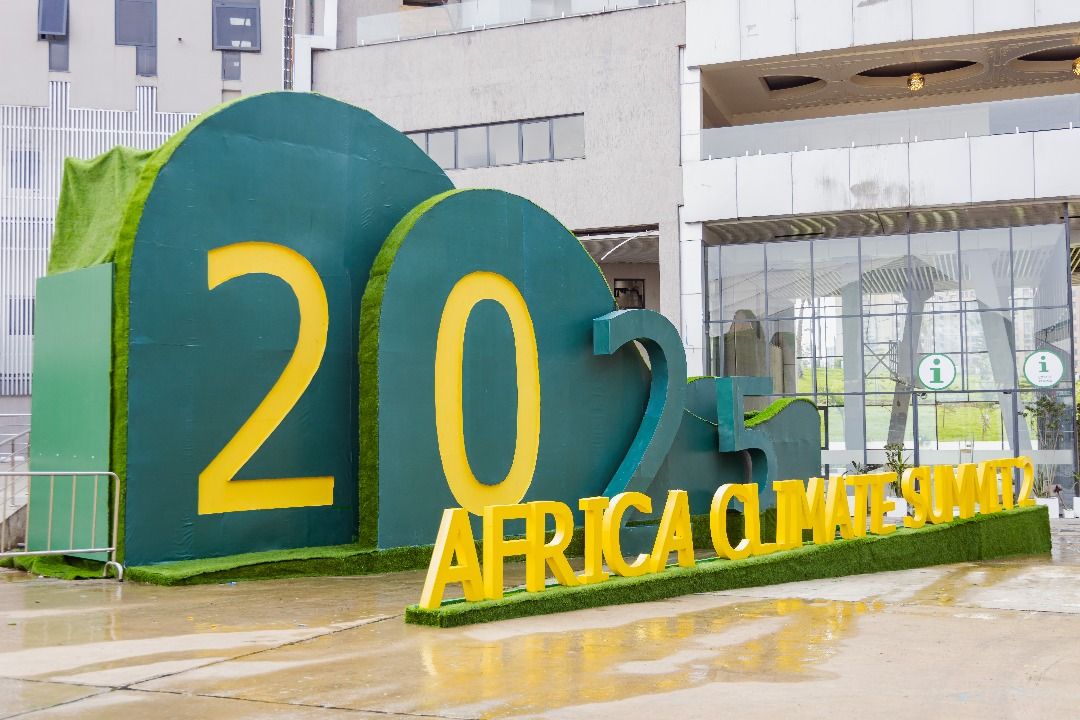
FSD Africa at ACS 2

It is two years since African leaders gathered in Nairobi for the first African Climate Summit. The resulting pledges, amounting to $26bn, were strong evidence of a real commitment to Africa-led climate solutions. But even more important was the summit’s assertion of African self-determination and specifically the need to mobilise Africa’s domestic private capital in the continent’s climate efforts.

As leaders gather again for the second Africa Climate Summit (ACS2) in Addis Ababa, the world looks very different. There is huge global uncertainty, and the economic headwinds are even stronger. Never has the vision set out at that first summit, and in the subsequent Nairobi Declaration, of a green path to economic growth that delivers both prosperity and environmental benefits, been more relevant and more important.

This is why we wholeheartedly support the aims of ACS2 and hope to see emerging from it an even greater consensus around the value of investing in climate. The summit is also a chance to set out even more compellingly the argument that investing in climate and economic growth are not mutually exclusive but rather complementary and to make the case for greater private sector, particularly domestic, investment in the continent.

The recent cuts to overseas aid have only added to the urgency for the continent to become more economically independent and resilient. That will require stronger domestic financial markets and more long-term financing in local currency to make growth less reliant on international finance, including aid, and more resilient to economic shocks, not least those resulting from climate change.

Indeed, our belief that a green path to growth will deliver a stronger and more resilient economy and that mobilising domestic private capital will be key to this, are central to FSD Africa’s mission to make finance work for Africa’s future. This approach is embodied in our new strategy which is based around three key imperatives: increasing economic opportunity, protecting the environment and increasing resilience to climate and economic shocks. We have an ambitious target to mobilise and catalyse £10bn of private capital for sustainable development, 84% of it in local currency.

But the strategy also reflects the immediate problems facing many countries in Africa with a focus on sustainable debt, more adaptation finance, job creation and the need for more climate finance to power the energy transition – all areas we will be discussing across the more than half a dozen events we are hosting or co-hosting at ACS2.

Above all this summit is an opportunity to show how Africa can be at the forefront of finding solutions to the twin threats of climate change and nature loss by highlighting proven Africa-led climate solutions and the continent’s bold efforts to re-green its landscapes. In that spirit, we and our partners will also be highlighting examples of the extraordinary financial innovation that is taking place across different parts of the financial system and presenting some of the transactions that have resulted.

Please join us at ACS II in Addis Ababa from 08th to 10th September to discuss these issues