Country: Ghana

Democratising insurance in Africa

Opinion by: Elias Omondi

It is a cruel irony that Africa – the continent arguably most exposed to the risks and ravages of a changing climate and economic uncertainty – is also the continent least protected by insurance instruments. African insurance penetration drives 3% of the continent’s GDP, a figure dwarfed by the global average of around 7%, and premiums per capita are 11-fold lower than the world average.

Unprecedented ecological change, compounded by global economic instability and woefully disrupted international supply chains, demand that Africans and African businesses enjoy the basic security and protection of insurance products.  Moreover, the preponderance of small and medium-sized enterprises (SMEs) in Africa’s economic life only intensifies the need for some kind of safety net – so that already vulnerable communities are afforded a level of security to which they are surely entitled.

Though rarely cited as a fundamental bedrock for development, insurance and insurance-applicable technology are indispensable, and their importance is only growing. Indeed, the Brookings Institution characterises insurance as an “often overlooked” but nonetheless a crucial “behind-the-scenes factor driving growth at all levels of society, from family life to massive infrastructure projects to technology development”.

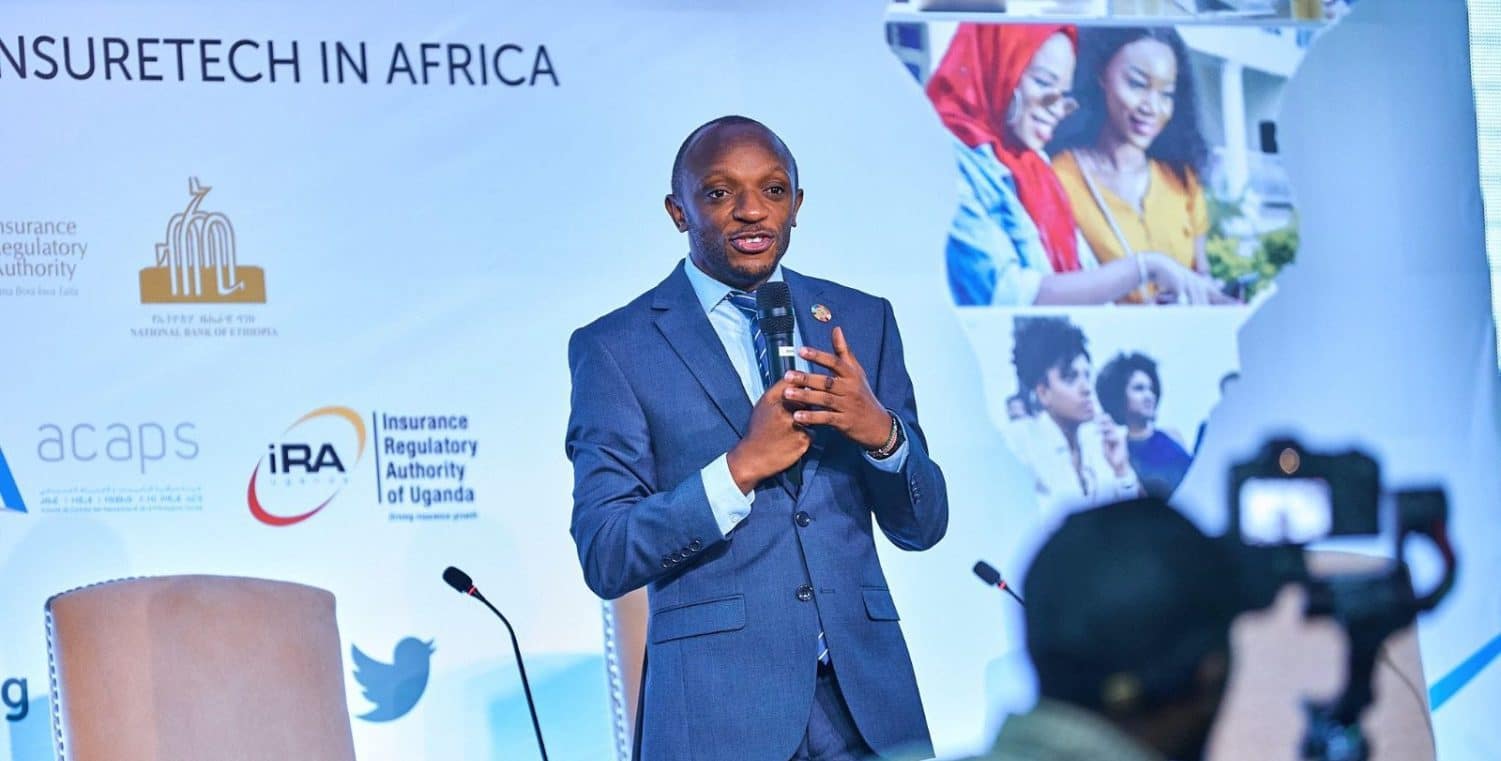
It is in this context that FSD Africa – the specialist development agency working to make finance work for Africa’s future – established the “BimaLab” programme in 2020. With the support of African regulators and backers such as Swiss Re Foundation, Prudential, SCBF, GIZ and FSD Ethiopia, we have developed an insurtech programme driving the development and scalability of inclusive and innovative insurance products which are tailored to address evolving African concerns and exposures.

BimaLab seeks to address – and ultimately plug – the “protection gap” predominant in Africa, cultivating the next generation of insurtech innovators through a combination of capacity building, technical assistance, funding support and help ensuring regulatory alignment and, where necessary, reform (take, for example, Ghana’s revisions of its Insurance Act to accommodate an “innovative licence category”).

Beginning three years ago with a pilot in Kenya, and then expanded to Nigeria and Ghana in 2021 and 2022, the programme has this year rolled out the accelerator programme in 10 African countries.

A cursory look at the numbers demonstrates the value this, and programmes like it, are already delivering for communities on the continent. In Kenya, Nigeria and Ghana, BimaLab-sponsored insurtechs have reached a million customers and have created 43 new insurance products and technologies. Moreover, close to 20 of BimaLab’s cohort have managed to sign strategic partnership agreements with major insurance players in the region, thereby accelerating the process of bringing new products and services to market and raising over $3m. Graduates of the BimaLab programme – CoverApp in Kenya, SosoCare in Nigeria and BeNew Insurance in Cameroon – have even won African Insuretech awards.

Bringing insurance to Africa’s SMEs

The urgency of democratising insurance in Africa derives in large part from the central role played by SMEs in the continent’s economic development. SMEs represent around 90% of all African businesses, generating 40% of the continent’s GDP and up to 80% of jobs. The resilience of these businesses, which do not enjoy the kinds of balance sheets that can withstand major disruptions unsupported, depends on our ability to create a viable and accessible insurance market.

Moreover, compounding Covid-19 and the economic chaos ensuing from the Russia-Ukraine conflict, African businesses are contending with the sharp end of climate change. Of the 10 countries most vulnerable to a changing climate, seven are located in Africa, and the sub-Saharan region contains 95% of the world’s rain-fed agriculture. Dwindling or unpredictable rainfall – as has been affecting East Africa recently – as well as rising temperatures, hurt small businesses in already impoverished communities, risking their economic collapse.

Access to insurance products has a transformative effect on the stability and resilience of African SMEs, through developing insurance products that are for once affordable and effective. Moreover, by supporting businesses at their most vulnerable, we can help cultivate the major enterprises of tomorrow, which will accelerate Africa’s development and its prominence in the global economy.

There is a widening protection gap in Africa that exposes tens of millions of people to radical unpredictability and leaves them entirely at the mercy of a rapidly changing climate and a destabilised global economy. By convening innovators, insurance companies, technology service providers, regulators and investors, we can transform insurance and the scale at which it is delivered, to communities where a basic safety net is of existential importance.

Read original article

Transform Health Fund raises $50m to scale proven innovative healthcare models in Africa

7th June 2023, NAIROBI – FSD Africa Investments, AfricInvest, Malaria No More, and Health Finance Coalition (HFC) have announced the establishment of the Transform Health Fund (THF), a blended-finance fund for scaling proven and innovative healthcare models in Africa. THF has received commitments of $50 million reaching its target size for its first close.

The fund aims to respond to the critical healthcare financing gap in Africa while building a resilient healthcare ecosystem that improves access, affordability, resilience, and quality of healthcare for low-income patients. It will target three critical areas serving low-income patients: supply chain transformation, innovative care delivery, and digital innovation.

THF’s investments will target countries across sub-Saharan Africa, with a focus on East, Southern, and Francophone West Africa. This investment is designed to contribute to addressing the acute need for quality and affordable healthcare across the continent.

THF’s investment strategy explicitly targets health services for women as one of its main investment objectives. Some of its investments are constructed with a strong gender lens, targeting women-led businesses and serving increasing numbers of women.

Anne Marie Chidzero, Chief Investment Officer, FSD Africa Investments said: “FSDAi is excited to announce its catalytic capital investment in the innovative THF fund. We are proud that our capital contribution to this tranche of the fund facilitated the participation of other commercial and corporate private sector investors. Partnering with AfricInvest, HFC and the additional fund participants to strengthen the African healthcare system, particularly in a time of environmental stress and unpredictable climate events, is a high priority for FSDAi.”

Louise Walker, Head of Private Sector and Capital Markets Department, FCDO said: “The UK is excited with FSDAi to be a catalytic investor in the Transform Health Fund. This is an innovative partnership that brings together concessional and private finance which will in turn mobilise more capital, critical to making healthcare more accessible to and more affordable for low-income patients across the continent. I’m particularly pleased to see that investments will target women-led businesses and services will also focus on women, where we know maternal and infant mortality in Sub-Saharan Africa is well above SDG goals.”

AfricInvest, with its three decades of expertise and insight, will play a critical role in leveraging a wide range of support throughout many regions of the continent, providing financing for companies in the health sector, helping African local markets to both scale up their own healthcare systems as well as creating regional champions.

“As health financing needs continue to grow and healthcare demands increase, it is a critical we work toward closing Africa’s massive health financing gap,” said Martin Edlund, CEO, Malaria No More and Executive Director of the Health Finance Coalition. “The Transform Health Fund serves a vital role in catalyzing capital to scale healthcare solutions.”

THF’s partners include Royal Philips, Merck & Co., Inc., known as MSD outside of the United States and Canada, the U.S. International Development Finance Corporation (DFC), U.S. Agency for International Development (USAID), International Finance Corporation (IFC), Swedfund, FSD Africa Investments, Netri Foundation, Anesvad Foundation, Grand Challenges Canada (with funding from Global Affairs Canada), Chemonics International, and MCJ Amelior Foundation. The fund is expected to attract additional investors who share the goal of improving healthcare in Africa.

Lab announces new class of ground-breaking solutions to drive public and private investment in emerging markets

LONDON – Members of the Global Innovation Lab for Climate Finance (the Lab) gathered in London to select the innovative climate finance solutions that will be accelerated in 2023. Lab members voted to choose six new models to channel investments in challenging sectors such as climate adaptation and gender equality.

“We are thrilled about the quality and breadth of the types of innovative financial solutions that we see in this new Lab cycle. It’s fantastic that our members continue to help the Lab expand our boundaries, focusing more on where we can have the highest impact on the ground,” said Dr. Barbara Buchner, Global Managing Director of Climate Policy Initiative.

The Lab is an investor-led initiative that identifies, develops, and launches promising solutions to drive critical public and private investment in climate change in developing economies. Each year, the Lab competition selects promising, early-stage ideas for sustainable investment and rapidly develops these ideas into fundable, scalable investment vehicles and business models.

“This year, we were excited to introduce a Gender Equality stream and expand our Africa program,” said Lab Associate Director Ben Broché. “We need to see a rapid scale-up of investment across sectors, and the Lab is always keen to take on new challenges: since we launched nine years ago, the Lab has developed 62 solutions that have mobilized USD 3.5 billion for climate action in emerging markets.”

In 2023, the Lab received around 150 applications from leading asset managers, development finance institutions, global NGOs, prominent project developers, financial services firms, and entrepreneurs. The winners will undergo seven months of analysis, stress-testing, development, and preparation for launch later this year.

2023 LAB WINNERS

Catalyst Climate Resilience Fund supports pre-seed climate adaptation startups that improve the resilience of vulnerable African communities, fostering a more robust ecosystem of climate adaptation innovations. Catalyst Fund and BFA Global, an innovation consulting firm headquartered in Kenya, spearhead the idea

Climate Resilient Landscape Finance (CRLF) is a first-of-its-kind model where financiers, conservancy management, and landowners collectively share the risks and rewards of sustainable land management activities. The proponent is Platcorp, an established microlender and asset manager in Eastern and Southern Africa.

Impact Financing Facility for Climate-Focused Social Enterprises offers blended finance instruments to support social enterprises adopting climate-smart technologies and establishing a track record to access commercial capital. The idea proponent is Villgro, an Indian social enterprise incubator.

Lendable Emerging Market Sustainability-Linked Loan Fund provides loans to SMEs for implementing climate solutions. Borrowers who reach targets get lower interest, and the fund earns carbon credits. Proponent Lendable offers financing solutions for companies with a positive impact.

Social Infra Ventures (SIV) is a pan-African rental platform to service low and lower-middle-income families and vulnerable groups in Africa’s secondary cities designed around women’s needs. SIV will partner up with Cardano Development to pilot the idea in Morocco.

The VOX VERT Land Use Transition Fund finances the transition to sustainable agriculture in the Brazilian Amazon and Cerrado regions through a private credit fund with a blended finance structure. The proponents are Vert, a securitization company, and Vox Capital, an impact investment house.

Lab Members’ Quotes

Ajibola Olalowo, Advisor, German Federal Ministry of Economic Affairs and Climate Action (BMWK), said: “The Lab has been successful in delivering impact over almost one decade. Investments in Lab ideas span the globe, including challenging sectors such as climate risk, nature-based solutions, sustainable cities, and gender equality. However, there is still work to be done in mobilizing private finance for climate action, and Lab’s ideas are crucial for strengthening private sector investments to keep 1.5° alive.”

Antha Williams, who leads Bloomberg Philanthropies’ environment program, said: “Innovative financial solutions that address the climate crisis are pivotal to transitioning to a low-carbon economy at the speed and scale necessary. The Global Innovation Lab for Climate Finance’s innovative approach helps identify, develop, and scale pioneering financial instruments that are making a tangible impact in combating climate change. Bloomberg Philanthropies is delighted to support the India Lab to help transform promising ideas into viable investment opportunities that drive climate action in India.”

Sumaiya Sajjad, Head of the Technical Assistance Facility, FinDev Canada, said: “FinDev Canada is committed to advancing opportunities in the gender and climate nexus area through our investments and partnerships, which includes our support to the Lab. Women are disproportionately affected by climate change despite being at the forefront of adopting climate-smart solutions. The Lab is well positioned to support innovative solutions with an intentional gender approach and to capitalize on the growing momentum across the investment landscape to increase gender-responsive climate finance offerings.”

Nine additional ideas made it to the finalist stage

  • Altree Kadzi Gender Climate Fund, Altree Capital
  • Climate Agriculture Debt Restructuring Facility (CADRF), Abt Associates
  • Food&Forest, Impact Bank Amazônia Securitizadora de Créditos S/A
  • Gender-Based Smallholder Economic Liberation Project, Prado Power Limited
  • Green India Fund, Green Artha
  • Infrastructure Climate Resilient Fund (ICRF), AFC Capital Partners
  • Mobilize: De-risking E-mobility, VAI Capital
  • Offgrid Finance Pop-up SPV, Offgrid.finance Limited

Read original article

South African insurance stakeholders commit to sustainable insurance and building a resilient economy

May 12th, 2023, JOHANNESBURG – South African insurance stakeholders have stressed the importance of all businesses across Africa in engaging with the net-zero ambitions, agreeing that by playing its role, the insurance industry will be critical in building a sustainable environment for the future.

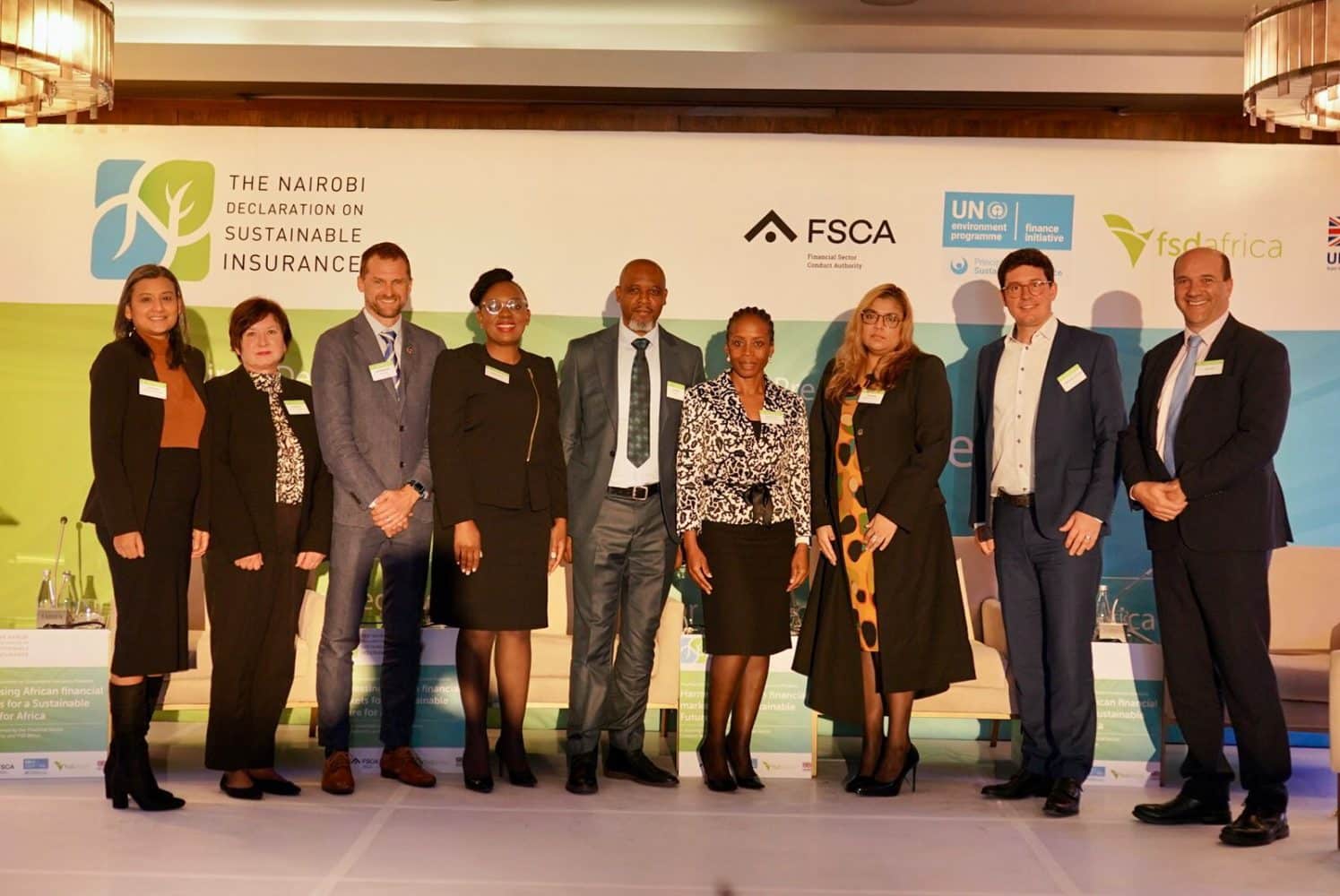
FSD Africa and the Financial Sector Conduct Authority (FSCA) held a C-Suite breakfast session with CEOs of South Africa’s Insurance Industry and Regulators with a call to action to commit to the Nairobi Declaration on Sustainable Insurance as a first step toward creating a sustainable insurance industry and building resilience for the continent.

The event was an opportunity to cover the risks, challenges and opportunities facing the South African insurance industry in adapting to and mitigating climate change and responding to broader sustainability objectives. The session highlighted key considerations for South African insurance market players to enhance the resilience of the South African economy and have a responsive sector primed for contributing toward a more sustainable future. It is estimated that South Africa holds 70% of the African insurance industry’s market premiums1. As investors and stewards of significant financial resources, the sector must consider the role they play on the continent in driving sustainability objectives.

Formally launched in April 2021, the Nairobi Declaration on Sustainable Insurance (NDSI) is a declaration of commitment by African insurance industry leaders to support the achievement of the UN Sustainable Development Goals (SDGs). The Declaration was first unveiled in Nairobi, Kenya, at the UN Environment Programme’s Principles for Sustainable Insurance (PSI) initiative 4th Africa summit – hosted by ICEA LION Group as a founding signatory – and momentum continues to build.

With backing from more than ten inaugural signatories, the Declaration brings together senior leaders to accelerate solutions to a set of major sustainability challenges – ranging from climate change and ecosystem degradation to poverty and social inequality – that have assumed even greater urgency in a post-Covid-19 world. Currently, 102 organisations across the continent have signed up to the declaration.

Since its launch, FSD Africa has supported the Declaration through a series of events and thought leadership engagements as it encourages more institutions to sign up. The first in a series of planned C-Suite meetings was hosted in Lagos, Nigeria, in March 2022 by UNEP, FSD Africa and the National Insurance Commission (NAICOM) of Nigeria. Other C-Suite events have been held in Cairo, Egypt, Nairobi, Kenya and Addis Ababa, Ethiopia.

Speaking during the event, Kelvin Massingham, Director, Risk and Resilience, FSD Africa said: “Mainstreaming resilience into Africa’s economic development is essential to secure future prosperity and sustainable growth. Now is the time for the African insurance sector to play the significant role it should in creating this resilience. The Nairobi Declaration on Sustainable Insurance’s proactive and market-based approach is exactly what we need, and the commitment today is a strong statement to work together towards an African-led solution.”

Unathi Kamlana, Commissioner, Financial Sector Conduct Authority said” The financial sector is fundamental as an allocator of capital within an economy. We will continue working collaboratively with stakeholders, in South Africa and more broadly, to ensure that our sector is efficiently and effectively able to intermediate and direct capital flows in support of sustainable outcomes, while appropriately pricing for risks and promoting investor confidence.”

Anthony Phillipson, British High Commissioner to South Africa, said: “The financial sector has a key role to play in delivering our climate commitments. I am happy to see that sustainable finance is fast becoming a cornerstone of our UK-South Africa green partnership. I particularly welcome collaboration to strengthen capacities and embed sustainable practices across the insurance and pension industries in South Africa.”

GVCA hosts maiden conference to leverage Private Equity for Ghana’s economic recovery

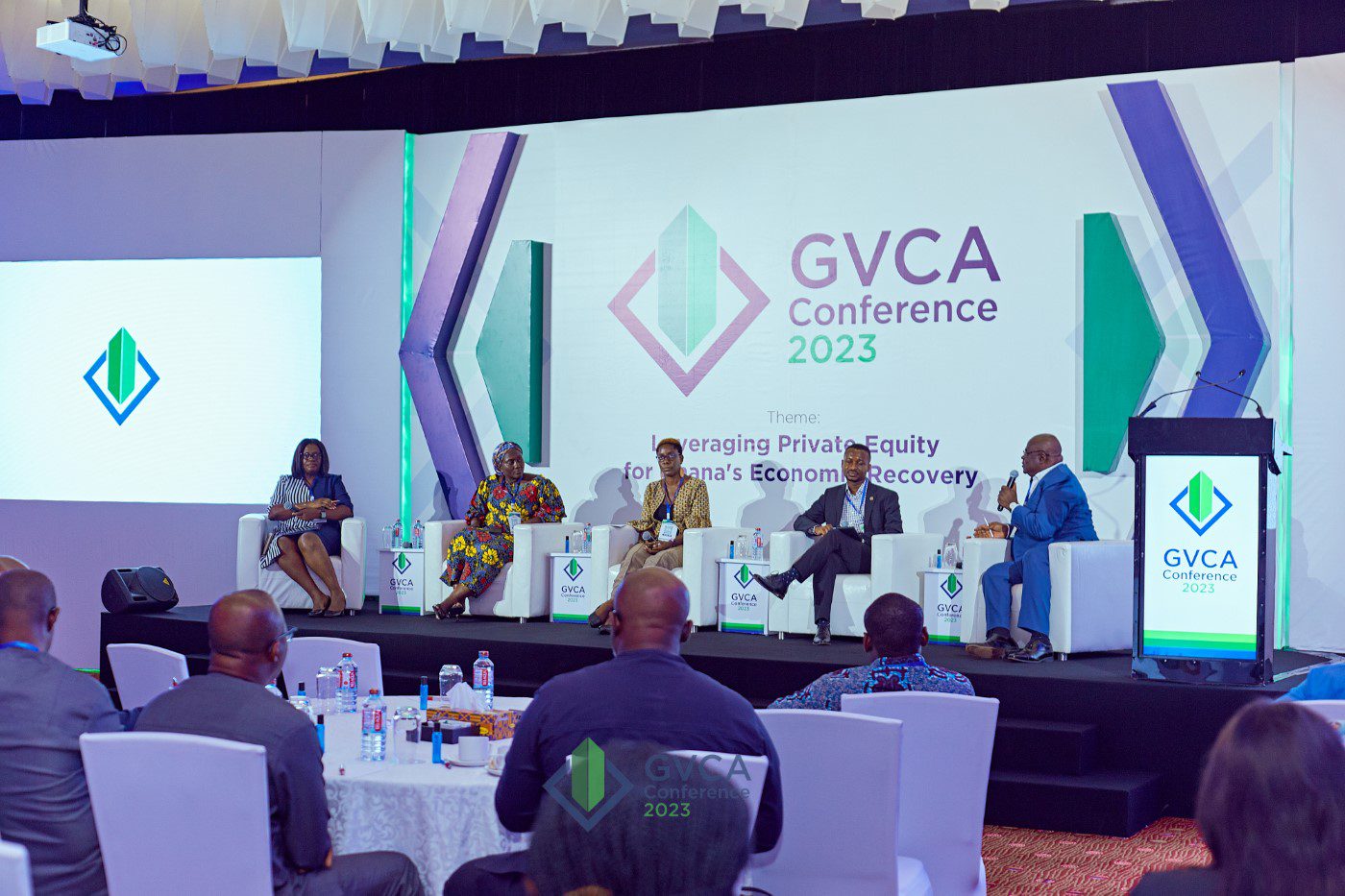
The Ghana Venture Capital and Private Equity Association (GVCA) has held its maiden conference at the Marriott Hotel in Accra.

The conference was a platform to illuminate Private Equity as a catalyst for the recovery of Ghana’s economy.

Capital owners including pension trustees, insurance companies, asset managers as well as members of the association explored the full spectrum of private capital models.

Speaking on the sidelines of the conference, Matthew Boadi Adjei, Board Chair of the GVCA and CEO of Oasis Capital, emphasised the potential of private equity in providing patient and long-term capital to SMEs in Ghana.

With his extensive experience in private equity, he notes that “private equity can help SMEs set up proper management structures and governance, navigate pervasive risks, and provide sustainable jobs, while intentionally pursuing a double bottom line – providing returns for investors and fostering sustainable job creation”

“Despite the economic challenges faced by the country, private equity can provide an alternative option for investment, leading to inclusive and innovative solutions to navigate the storm,” Mr. Adjei added.

Hamdiya Ismaila, General Manager of Venture Capital Trust Fund and a member of the GVCA also stated: “The GVCA’s goal for 2023 is to build the capacity of emerging managers to ensure that there are enough managers to mobilize and invest capital, supporting SMEs that create jobs and livelihoods for Ghanaians.”

The fund is looking to deploy a commitment of about 200 million Ghana cedis towards this goal.

Members of the association called for the implementation of a Limited Partnership Act that would support the development of the private equity/venture capital industry, which is currently limited under the Companies Act.

On her part, Mirabelle Moreaux, Partner at Injaro Investments Limited and a member of GVCA alluded that Investor comfort with regulations and trends is critical for attracting capital into Ghana’s private equity industry.

She said the GVCA conference is a unique opportunity for businesses, investors, and fund managers to connect, explore and dialogue on how to tap into private capital, a critical source of financing in an emerging market like Ghana where the capital markets are not deep and traditional debt financing is expensive.

“It is our firm belief that at the end of the conference, members will walk away with innovative financial solutions for small and medium enterprises. These solutions will provide the government with additional taxes, the investors with financial and social returns and ultimately aid in the development of Ghana’s real economy.”

The two-day GCVA conference 2023 brought together nearly 200 members from across Africa and was under the theme “Leveraging Private Equity for Ghana’s Economic Recovery”

The conference 2023 featured expert panel discussions, PE/VC case studies, project launches, research paper presentations, training sessions, and deal room sessions.

Two panel sessions explored “how private equity fund managers create value for investors” and “the role of domestic institutional investors in building a resilient economy.” Other discussions also focused on alternative models for deploying and measuring the impact of private capital in Ghana.

This year’s conference was sponsored by FSD Africa, Ghana Venture Capital Trust Fund, British International Investments (BII), Mastercard Foundation Africa Growth Fund, Axis Pensions Trust Ltd, Stanbic Investment Management Services, Impact Investing Ghana, Citi FM and SoftTribe.

Other sponsors include Oasis Capital Ltd, Mirepa Investment Advisors Ltd, and Injaro Investments Limited.

Read original article

Swiss Firm Partners With Local Insurers To Build Low – Cost Health Products For Local Communities

NAIROBI, Kenya, April 27 – Swiss Capacity Building Facility (SCBF) and APA Insurance have partnered with a consortium of local insurance innovators to provide affordable primary healthcare insurance solutions to under-served Kenyans.

The innovators include Paa Insurance Agency; an inclusive insurance distribution specialist, Emerging Markets; a research and design consultancy firm, Ilara Health; a network of primary healthcare facilities and Democrance; a SaaS plug-and-play insurance technology provider.

The partners have developed an innovative solution designed with a hybrid model of capitation costs, and in-patient benefit for patients who become hospitalised.

“We are proud to launch this innovative initiative which will see thousands of under-served households in rural and peri-urban Kenya have access to sustainable primary health care financing solutions to protect their families against out-of-pocket expenses that could otherwise force them into poverty,” said Dana Ellis, Senior Operations Manager at SCBF.

The technical assistance funding from SCBF will contribute to strengthening financial inclusion and increasing resilience against primary healthcare costs for under-served communities in Kenya, intending to reach at least 50 per cent of women.

This is aligned to the Government of Kenya’s 2030 financial inclusion strategy to ensure that no person in Kenya is left out of reach of financial services, to increase their resilience against risks beyond their control, while also improving their access to essential healthcare services.

Speaking at the launch of the project , APA Group CEO Ashok Shah noted that, “it is important for insurers to think beyond offering insurance to the affluent customer segment.”

He emphasised that the future of insurance lies in tapping into the majority of the population which remains uninsured.

APA has been at the forefront of supporting inclusive insurance solutions targeting the middle and lower base of the economic pyramid, and shall continue to do so with this initiative, to create social and sustainable impact within the communities.

The demand for new innovative insurance solutions, over the last few years, has seen an emergence of insurtechs (insurance innovators who use technology to create and improve insurance solutions) and simplified customer experiences facilitating the purchase, service and making of claims without the barriers associated with mainstream insurance.

This proliferation has particularly been fueled by the regulator-backed programme, BimaLab, in partnership with Financial Sector Deepening Africa (FSD Africa).

BimaLab is an accelerator program that supports early insurtech innovators to develop innovative insurance solutions.

Elias Omondi, Senior Manager Risk Regulation at FSD Africa, who inspired the birth of BimaLab remarked, “We’re thrilled to see startups that have gone through BimaLab launch innovative products that will redefine how insurance is offered and accessed in the Kenyan market, and even beyond our borders. We will work closely with the innovators, the insurer and the regulator to see that the project achieves its intended impact.”

Read original article

The African Green Bank initiative provides $1.6 million to support the first Green Finance Facilities in Africa

( AfDB) – The African Development Bank has launched the African Green Bank Initiative to tackle Africa’s key barriers to climate financing and promote resilient, green and sustainable growth.

The Green Bank Initiative will be supported by the African Green Finance Facility Fund (AG3F), which aims at developing an ecosystem of local and regional Green Finance Facilities to mobilize private investment in support of climate transition. AG3F promotes the deployment of the Green Bank Model throughout the continent. To ensure rapid deployment, AG3F will partner with existing local financial institutions and leverage on their network, financing capacity and experienced staff.

For its pilot phase, AG3F aims at mobilizing $10 million for the technical assistance, of which $1.6 million have already been secured, and $90 million to support the capitalization of the first Green Finance Facilities. Contributors will include donor countries, multilateral development banks, development finance institutions (DFI), climate funds and philanthropic or impact investors. First beneficiaries include Banque Nationale d’Investissement de Côte d’Ivoire and Caisse des Dépôts et Consignations du Bénin, which will develop pipelines of clean energy, resilient infrastructures or smart agriculture projects.

Green Finance Facilities will support small and medium-sized enterprises (SMEs) and local communities by offering direct access to climate finance. The initiative will help African countries implement Nationally Determined Contributions (NDCs), as investment needs are estimated at $2.8 trillion by 2030 and funds invested on the continent still represent a limited share of global green finance flows.

AG3F will benefit from best practices and support of strategic partners for the creation, financing and deployment of Green Banks. These partners have built an international reputation in the area of climate finance and include the leading European asset manager Amundi, the knowledge platform Green Bank Network, the leading multilateral fund Climate Investment Funds (CIF) and Canada’s Climate Action in Africa project.

Audrey-Cynthia Yamadjako, co-ordinator of the Green Bank initiative, welcomed the onboarding of those partners in the AG3F projects: “We are delighted to start the work with our partners in the pilot phase of AG3F. We will benefit from their technical knowledge, investment vehicles and funding capacity to create the first African Green Finance Facilities”.

According to African Development Bank Vice President for Private Sector, Infrastructure and Industrialization,Solomon Quaynor, “technical assistance will enhance Green Finance Facilities’ green project management and governance and is therefore key to attract private capital by entrenching long-term investor confidence.” Technical assistance will be needed to create Green Finance Facilities and build up their technical capacities, including by implementing monitoring, risk evaluation and reporting tools and structuring a bankable pipeline of green projects.

Upon launch of the African Green Bank Initiative at the UN Climate Change Conference (COP27) in Egypt in November 2022, African Development Bank Vice President for Energy, Power, Climate and Green Growth, Kevin Kariuki highlighted that the initiative was a key stepping stone to meet Sharm El Sheikh implementation plan.

“The Green Bank Initiative is a powerful tool for reducing financing costs and mobilizing private sector investments in climate action in Africa,” Kariuki said. He said multilateral development banks and international financial institutions had a crucial role in enabling local financial institutions to develop a green pipeline of sustainable and “Paris-aligned” projects.

The initiative is part of the African Financial Alliance on Climate Change (AFAC). Akinwumi Adesina, President of the African Development Bank Group, explained as part of AFAC that mobilizing the financial sector will be key to address climate change in Africa: “Africa’s financial actors need to work together creatively to mobilize global financial resources at scale that can support local innovation, and that drive climate-resilient and low-carbon development on the continent”.

About the African Development Bank Group

As Africa’s premier development finance institution, African Development Bank (AfDB) objective is to spur sustainable economic development and social progress in African countries, thus contributing to poverty reduction. AfDB’s strategy for 2013-2022 focuses on two objectives: improving the quality of Africa’s growth and the transition to green growth.

Read original article

Devex Invested: How Africa can attract more climate finance

Environment-related and impact investments have grown substantially in recent years, with more than $1 trillion in impact investing assets under management globally. About $578 billion in green bonds were issued by 2021, with double-digit increases each year.

But very few of those climate-related investments are making it to the world’s lowest-income countries. It’s partly due to a lack of willingness from major donors to cough up funding they’ve promised, and partly due to lower risk appetite as interest rates and debt burdens mount.

This week we look at how carbon credits or other investments might offer an opportunity to unlock climate finance on the African continent.

  • One carbon credit is equal to 1 metric ton of greenhouse gas that is reduced, sequestered, or avoided. Global carbon markets, where those credits are exchanged, are valued at over $2 billion. But Africa accounts for just 2% of trading. The existing market is fragmented and complex, and high-quality carbon credits are scarce because accounting and verification methodologies vary quite a bit, writes Devex contributor David Njagi. But the global markets could be worth more than $50 billion by 2030 — which certainly seems worth tapping.
  • Enter the Africa Carbon Market Initiative, which was launched during last year’s United Nations Climate Change Conference. It aims to rapidly increase the production of African carbon credits while ensuring that revenues are transparent, equitable, and create jobs. Ensuring that local communities actually see the payout is key.
  • Another way to attract climate finance is for Africans to take advantage of the growing demands for the critical minerals required for the global energy transition, Samaila Zubairu, president and CEO of the Africa Finance Corporation, recently told me. Rather than shipping raw materials — which itself increases emissions — countries want to do more processing at the source but local projects will need outside funding to do so, he said. He hopes the push for lower emissions and more electric vehicles, along with the current geopolitical situation, can lead to more investment on the continent, and in turn more jobs and development.
  • While financial institutions have increasingly focused on impact and environmental and social investing, hopes that the trends would drive more money to low- and middle-income countries haven’t really translated to reality so far. Mainstream investors are still focused on financial returns and see too much risk in investing in these markets, Bill Sonneborn, global director of disruptive technology and funds at the International Finance Corporation, told me recently. But he’s not entirely pessimistic: Eventually, these investors will have to invest in these markets, he added.

Call to action

 “It’s urgent that we get progress and that progress consists of concrete resolutions of debt that greatly helps countries reach sustainability.”— David Malpass, president, World Bank

A new pot of gold?

You heard it here first: The World Bank will set up a new “crisis facility” for the world’s lowest-income nations and Ukraine as it works to prevent more backsliding on key development priorities including health and education. The bank’s member countries support the new funding mechanism, Axel van Trotsenburg, the World Bank’s senior managing director, tells my colleague Shabtai Gold.

Now it’s up to the board to approve the move, so donors can start ponying up. Approval could come as soon as next month. Van Trotsenburg conceded that donor countries face stress at home over budgets and that asking for more money is delicate. “What I’m doing is stressing them even further,” he says but noted that these are “crisis times” for the world’s poorest people.

This facility would sit within the International Development Association, the bank’s fund for the lowest-income nations that offers highly concessional loans and grants. The IDA funds, which typically are replenished in three-year cycles, will also drop off in coming years because of the World Bank front-loaded spending. And whether donors will put in more cash to support IDA is a key debate around the ongoing reform efforts.

Money, money, money

$204 billion —

That is the total aid spending of OECD’s Development Assistance Committee member countries in 2022. It’s up 13.6% from the previous year.

A lot of the increase in spending went to supporting refugees and Ukraine, including European donors supporting refugees within their own borders. Aid to the group of least developed countries and to sub-Saharan Africa fell slightly, according to Devex Senior Development Analyst Miguel Antonio Tamonan.

A new day

The New Development Bank issued a $1.25 billion green bond last week, the first dollar bond issuance since Russia’s invasion of Ukraine. The development bank of the BRICS emerging market nations, made up of Brazil, Russia, India, China and South Africa, has faced challenges raising money on the capital markets, as Moscow is a major shareholder.

None of the money in the latest bond will go to Russia, and the bank has had to pay a risk premium on the funding. But the bank’s Chief Financial Officer Leslie Maasdorp tells Shabtai that “This is a major step forward because now we’re starting a new journey.”

Read original article

Building trust in digital payments in Africa

While cash and mobile money remain the dominant payment methods in Africa, they come with significant challenges. Cash is inefficient, insecure, and expensive, while mobile money services often lack the necessary regulatory support to operate independently. However, key emerging trends in the sector are helping to drive meaningful financial inclusion across the continent, notes Mark Dankworth, President of Business Development Africa at leading Banking as a Service and embedded finance enablement partner, Ukheshe.

One of the most significant trends in the African payments sector is the increasing collaboration between banks and fintech companies. Banks, as regulated entities, play a critical role in processing funds, which then flow into digital wallets where fintechs are best positioned to provide digital services. There is scope to offer even more functionality and convenience that answer specific market challenges and pain points, including bill payments, airtime top-ups, or public transport payments, among others. By providing incentives for users to keep their funds in these wallets and use them for digital payments, the adoption of digital payments can increase rapidly and reduce the reliance on cash on the continent.

Closer collaboration between banks and fintech companies is a positive development and has the biggest potential to drive financial inclusion in Africa. In many African countries, regulators are paying closer attention to new players in the sector. While fintech companies often lack the necessary licenses to operate independently, banks can provide the necessary regulatory support with the end goal of offering a broader range of services to their customers. By working together, banks and fintechs can help to promote financial inclusion and make digital payments more accessible, and, crucially, more trusted.

Another trend that is driving the growth of digital payments in Africa is the explosion of cross-border remittances alongside the urgent need for these to improve. South Africa to Zimbabwe is one of the largest corridors of cross-border remittances globally, and a staggering 84% of these transactions are still cash-based. According to the World Bank, remittances to low- and middle-income countries grew to USD$626 billion in 2022. These remittances are also an essential source of foreign currency for many African countries, helping to support economic growth and development.

To facilitate cross-border remittances, many companies are developing pool accounts that allow for instant remittances of funds. Associations are also putting in place regulatory frameworks that promote innovation and protect consumers, and these developments will help sustain the growth of the industry and make it more accessible to all Africans.

QR payments are also gaining traction in African markets, offering merchants an affordable and convenient way to accept digital payments without expensive hardware. This payment method has been hugely successful in markets like China, where QR is widely used for everything from buying groceries to paying for public transport. In Africa, QR payments have been slower to take off, but their potential is significant. Visa and Mastercard are investing heavily in SME support to drive acceptance and create more opportunities for digital payments. Obviously, QR offers several advantages over traditional point-of-sale systems. For merchants, QR payments are affordable and easy to use, requiring only a smartphone and an internet connection. For customers, QR payments are convenient and secure, allowing them to make payments without the need for cash. Once again, acceptance is largely a function of the underlying trust and overall convenience of the payment method.

Ultimately, the prevailing dominance of cash in Africa will only be truly upended when payment models are instantly efficient and offer instantaneous value. In the unique African context, customers must have full control over their money with seamless, interoperable, and user-friendly solutions – this is where Ukheshe, and its strategic partnerships, can make the biggest impact.

Read original article

FSD Africa, swiss Re Foundation and others partner for financial inclusion in Africa

FSD Africa has partnered with the Swiss Re Foundation and the National Bank of Rwanda to launch BimaLab Africa Acceleration Program – a pioneering accelerator program that aims to grow insurance coverage among low-income consumers by investing in innovative solutions in nine African countries.

The expanded pan-African program is designed to support entrepreneurs in developing innovative solutions for the insurance sector. It targets Insurtech (insurance technology) innovations from Egypt, Ethiopia, Kenya, Ghana, Morocco, Nigeria, Rwanda, Uganda, and Zimbabwe.

The expansion of BimaLab is supported by $500,000 financing from the Swiss Re Foundation, which is among the world’s leading providers of reinsurance, insurance, and other forms of insurance-based risk transfer.

BimaLab Africa has been devised as a model which addresses crucial challenges facing African consumers, especially those at the base of the economic pyramid. While insurance provides a vital safety net for customers at risk of external threats including health issues, economic disruptions, and natural disasters, it has, for many Africans, been unavailable – only 3% of Africa’s GDP is driven by insurance, less than half the world average of 7%.

Kelvin Massingham, Director of Risk and Resilience, FSD Africa, said, “BimaLab offers hands-on venture-building support to high-impact start-ups that improve the resilience of underserved and climate-vulnerable communities. We are grateful for the financial support provided by the Swiss Re Foundation, which has enabled us to democratize the successful BimaLab model across the region.”

The incubator, which combines the demonstration of global best practices with in-depth local knowledge, offers applicants a rigorous five-month program in which they are supported with expertise, resources, and support for scalability and market readiness.

Stefan Huber Fux, Director at Swiss Re Foundation said: “We are committed to making insurance more accessible and affordable for low-income consumers in emerging markets, and we believe that supporting programs like BimaLab is one way we can help to achieve this goal. New digital technologies have the potential to enhance financial inclusion by providing access to unserved and underserved customers.”

The partnership will focus on three main areas: enhancing access to financial services; increasing insurance penetration; and promoting innovation in the financial sector.

Hon. John Rwangombwa, Governor, NBR said: “The National Bank of Rwanda is committed to promoting financial inclusion in Rwanda, and this partnership with FSD Africa and Swiss Re Foundation is a key step towards achieving that goal. We believe this partnership will help to increase access to financial services, promote innovation and boost economic development across Rwanda and Africa”.

BimaLab Africa expands on successful Insurtech initiatives in Kenya, Nigeria, and Ghana to provide African entrepreneurs with the tools and support needed to develop innovative insurance solutions. The program has helped 40 insurtechs scale their innovations, resulting in 20 partnerships and 43 new products in Kenya, Ghana, and Nigeria. BimaLab has reached over 500,000 customers and raised over USD 1 million, promoting innovation and inclusion in the insurance industry. The new program aims to contribute to the growth of the African insurance market and is implemented by Tellistic Technology Services.

Read original article