Category: Press release

UK Invests USD $5.2 Million in USD $240 Million SME Listed Fund Sponsored by FSD Africa, Targeting Institutional Investors.

Tuesday, 5 November – The British High Commission Nairobi has announced a USD $5.2 million fund (KSH 667 million) to support Micro, Small, and Medium Enterprises (SMEs) in Kenya. This initiative exemplifies the UK’s commitment as a long-term partner, providing investment solutions that foster growth and job creation.

British High Commissioner to Kenya, Neil Wigan, said:

“We must lower the cost of borrowing for Kenyans. This fund further bolsters the UK’s financial toolkit in Kenya, which has supported long-term job creation and economic growth over many years. It will deliver for all the hardworking hustlers of this country—especially women, young people, and persons with disabilities—who are often pushed to the margins of the Kenyan economy. The UK’s economic relationship with Kenya is the cornerstone of the UK-Kenya strategic partnership, and we look forward to delivering this together.”

The ‘Listed SME Debt Fund,’ sponsored by FSD Africa, aims to mobilize up to USD $300 million (KSH 38.85 billion) of sustainable finance to provide affordable credit to micro, small, and medium-sized enterprises. Of this amount, the fund targets to raise USD $240 million from domestic institutional investors, with the remainder sourced from foreign investors. It is expected to support at least 10,000 MSMEs, benefiting 50,000 households, creating, protecting, and supporting over 89,000 jobs, and improving access to basic services for over 200,000 people.

The fund is not sector-specific and will cater to the diverse needs of Kenyan business owners, ranging from artisans to financiers and farmers, by lowering the cost of borrowing. It will be listed and managed in Kenya, aiming to provide an attractive investment opportunity for Kenyan investors by de-risking investments in MSMEs while still offering attractive returns.

Currently, SMEs in Kenya face interest rates of up to 40%, making it challenging for businesses to grow and create jobs. This fund will also encourage pension funds to invest in sectors that support the flow of goods, services, and labor in Kenya.

Mark Napier, CEO of FSD Africa, stated:

“The SME sector holds tremendous potential for Kenya’s socio-economic transformation, comprising approximately 98% of all businesses and creating a significant number of jobs. FSD Africa is thrilled to launch this innovative fund dedicated to supporting small and medium enterprises in Kenya. This fund will provide affordable credit to businesses that have historically faced challenges in accessing financing. Moreover, it will offer MSMEs a route to growth across borders and support local employment rates and the growth of the Kenyan economy.”

The first close of the fund is targeting USD $100 million. Kenyan institutional investors, including pension funds, have assets under management exceeding USD $30 billion. Despite regulatory approval allowing investment of up to 30% in alternative assets, many have yet to capitalize on this opportunity. The SME listed fund introduces a new asset class, aiding in portfolio diversification and stabilization. This aligns with FSD Africa’s mission to deepen and diversify capital markets through innovation.

SMEs are vital to Kenya’s economic growth, accounting for 98% of businesses and approximately 24% of the country’s gross domestic product. Beyond their economic impact, SMEs serve as essential engines of employment generation, particularly for marginalized groups such as youth, women, and persons with disabilities, providing around 14 million (30%) of jobs.

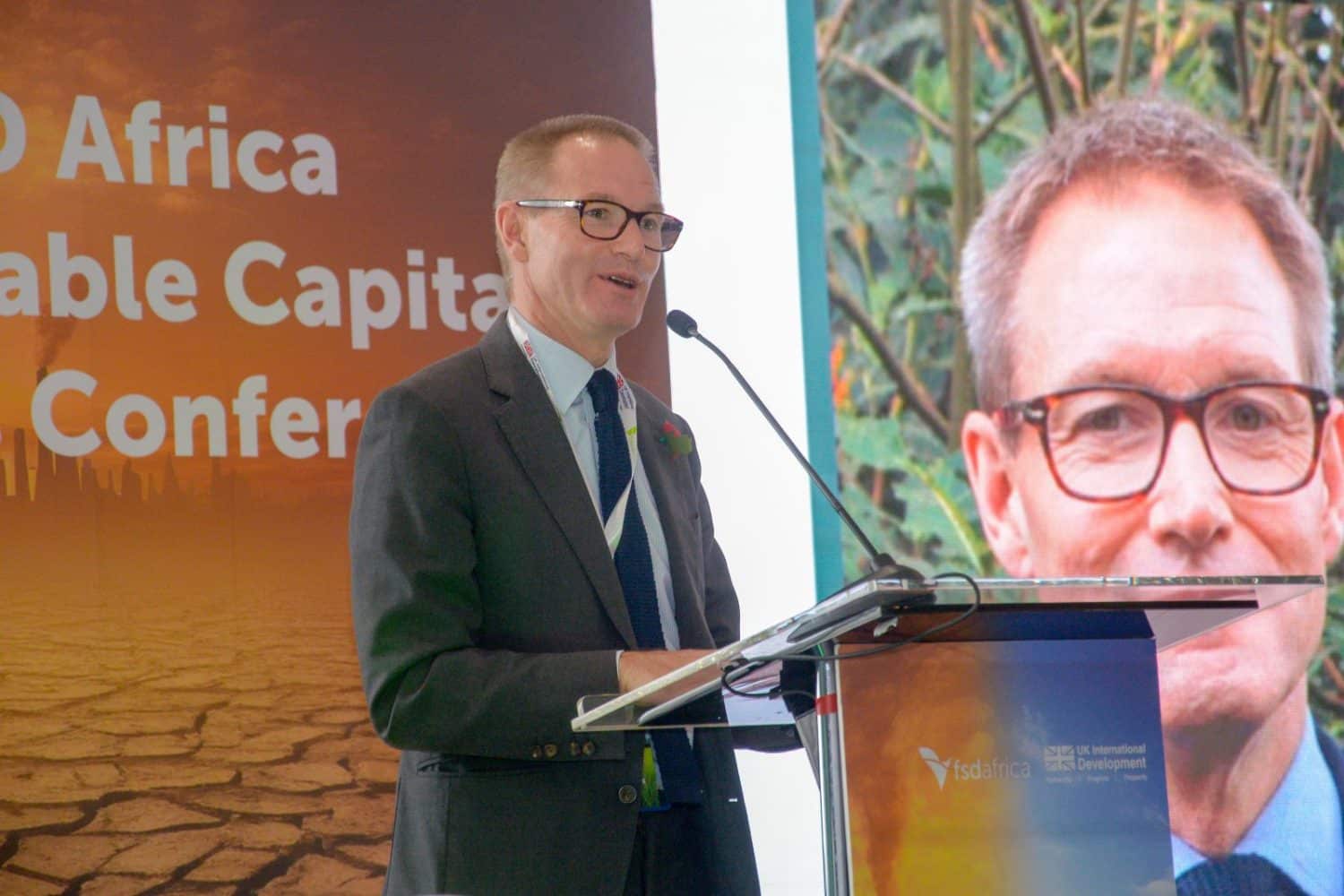
The announcement was made at a major pan-African Capital Markets conference organized by FSD Africa, a specialist development finance institution fully funded by the UK Government.

FSD Africa Launches Carbon Accelerator Programme for the Environment (CAPE) to Unlock Finance for High-Integrity Nature-Based Carbon Projects in Africa

FSD Africa Launches Carbon Accelerator Programme for the Environment (CAPE) to Unlock Finance for High-Integrity Nature-Based Carbon Projects in Africa

Nairobi, Kenya [01 November] – FSD Africa is proud to announce the launch of The Carbon Accelerator Programme for the Environment (CAPE), a pioneering initiative designed to catalyse investment into high-integrity nature-based carbon projects across Africa. CAPE addresses two critical challenges: the lack of investment flow into projects that tackle climate change and biodiversity loss, and the need to build confidence in Africa’s nature-based markets.

The programme aims to provide direct support to projects that have significant potential but are struggling to secure full funding. By leveraging a combination of high-quality carbon credits and biodiversity improvements, CAPE seeks to demonstrate that there is a viable commercial business case for investors while offering a solution to integrity challenges in nature-based markets.


CAPE will be delivered in partnership with Finance Earth, a leading independent impact investment advisory firm, as the implementing partner, and the Africa Natural Capital Alliance (ANCA), a collaborative coalition focused on mobilising private capital for nature-based solutions in Africa, as a core partner.


Nature-based carbon project developers are invited to register interest in the programme following this link, to receive an Expression of Interest form in the coming days. Following the selection process, CAPE will deliver project development funding and technical support to up to 5 projects for a year from Spring 2025.

Reshma Shah, Lead Carbon Markets, FSD Africa

“Having just returned from COP16 Biodiversity, the urgency of accelerating nature-based solutions that address both climate change and biodiversity loss is more evident than ever. CAPE, with its dual focus on carbon and biodiversity, offers the perfect platform for deepening our understanding of how to implement these solutions effectively. It not only highlights the importance of these initiatives but also showcases their investability, paving the way for impactful projects that can transform our relationship with nature.” 


A new approach to nature-based carbon financing


CAPE’s unique approach targets projects that are technically feasible but have yet to reach financial close. Through the provision of transaction advisory services and technical project development support, CAPE will create demonstration cases to show how joint carbon financing and nature-positive ventures can be investable.


By integrating carbon credits with biodiversity conservation, CAPE addresses revenue issues in biodiversity projects and offers investors practical guidance on harnessing the potential of nature-based solutions. CAPE is positioned to demonstrate how these models can scale to meet investor demand for high-integrity projects.

Dorothy Maseke, Head of the ANCA Secretariat

“At ANCA, the launch of the Carbon Accelerator Programme for the Environment (CAPE) is a pivotal moment in advancing Africa’s nature-based markets and living to the principles and actions of the ANCA Nature Voices Pledge. CAPE reflects months of consultations with ANCA members and key stakeholders through FSD Africa’s work, aiming to tackle two core challenges: the limited investment flow and the confidence gap in Africa’s nature-based solutions. By partnering with FSD Africa and Finance Earth, we are supporting high-potential projects that struggle to secure full funding. CAPE will make a compelling case for investment in these vital markets, catalysing long-term support for sustainable projects across the continent.” 


Building a market for high-integrity projects


One of the key features of CAPE is the creation of a “living lab”, where knowledge and best practices will be open sourced for the benefit of the wider market. This will provide a platform for developers to learn from peers who have successfully navigated similar challenges and will include templated guides and resources to help other projects advance towards financial close. By building this ecosystem, CAPE is ensuring that a pipeline of high-integrity nature-based carbon projects can be replicated and scaled.

Richard Speak, Managing Director, Finance Earth

“The launch of CAPE comes at a pivotal moment to mobilise the investment needed to tackle climate change and biodiversity loss across Africa. We are thrilled to partner with FSD Africa and ANCA to deliver CAPE, providing support in the critical phase of the journey to unlocking investment in high-integrity nature-based carbon projects. By working closely with project developers and openly sharing what works, we will not only create individual success stories – we’re aiming to build a community of practice that can accelerate financing for nature, climate and communities across Africa.” 

Expected benefits of CAPE

Accelerated investment – by demonstrating the financial viability of projects that combine carbon credits and biodiversity conservation, CAPE will unlock new flows of capital into unfunded areas.

Increased project integrity – CAPE’s rigorous approach ensures that projects are of high integrity, addressing long-standing challenges in the carbon markets.

Market-building resources – the open-source nature of CAPE’s “living lab” will help replicate success and scale the market for nature-positive carbon projects across the continent.

New report finds that climate financing to Africa grew by 48% to US$44 bn in 2021/2022 but still only a quarter of what is required to realise its 2030 goals.

Washington, USA, 23rd October: A new report on Africa’s climate finance landscape, conducted by Climate Policy Initiative (CPI) and commissioned by FSD Africa, reveals that climate finance flows to Africa grew by 48% to US$44 billion in 2021/2022, up from US$30 billion in 2019/2020. Private sector finance doubled to reach US$8 billion in the same period. Despite this significant growth, current climate finance flows fall far short of what is needed to meet Africa’s climate adaptation and mitigation targets, with potentially serious social and economic consequences.

The report, titled Landscape of Climate Finance in Africa 2024, was launched during a meeting at the Brookings Institution, on the sidelines of the Annual Meetings of the International Monetary Fund and the World Bank Group. It follows CPI and FSD Africa’s first-of-its-kind assessment of climate finance in Africa, released in 2022, which has become a crucial resource for policy, advocacy, and investment decisions across the continent.

The research reveals a significant climate finance gap that threatens Africa’s sustainable development trajectory, with only 23% of the estimated annual funding required to implement Africa’s Nationally Determined Contributions (NDCs) and meet 2030 climate goals being tracked. Key findings include:

  • 90% of total climate finance came from international sources, with only 10% generated domestically.
    • Public sector funding from African governments decreased from US$1.6 billion in 2019/2020 to US$1 billion in 2021/2022.
  • Multilateral Development Finance Institutions (MDBs) provided 43% (US$19 billion) of the total, up from US$11 billion two years earlier.
    • MDBs are the largest providers of climate finance in Africa.
  • Private sector finance, while doubling from US$4 billion to US$8 billion, still accounted for only 18% of the total, a much lower share than in other global regions.
    • Private sector capital mobilized by MDBs declined in Africa, despite increasing in Asia and the Americas.
  • Clean energy finance accounted for US$14 billion, almost a third of the total climate finance, keeping pace with overall growth.
    • However, this rate of growth is insufficient considering Africa’s need for US$200 billion annually to transition to clean energy, as estimated by the International Energy Agency.
  • Multilateral Climate Funds (MCFs) contributed only 2% of the total climate finance in 2021/2022, though these funds are generally more concessional and targeted toward Least Developed Countries (LDCs).

The report also highlights regional disparities, with 10 countries accounting for 50% of Africa’s total climate finance flows. South Africa, Egypt, and Nigeria received more than half of the private flows. The top ten recipients in 2023 were: Egypt, South Africa, Nigeria, Morocco, Ethiopia, Tanzania, Kenya, Côte d’Ivoire, the Democratic Republic of Congo, and Mozambique.


Mark Napier, CEO of FSD Africa, stated:

“Climate change poses major risks of unprecedented economic disruption in Africa. To counter this, all actors must invest in a more sustainable future. Climate finance is critical for Africa’s ability to adapt to, mitigate, and develop through a changing climate. This report provides policymakers with a detailed view of the current climate finance landscape and a vision for future development.”

Recommendations for Africa’s Climate Finance Future

The report emphasizes the need to develop domestic capital markets to reduce dependence on international flows, which expose African countries to exchange rate risks. Africa has significant pools of domestic private capital—estimated at over US$2 trillion—in pension funds, insurance companies, and other institutional investment vehicles. Mobilizing this capital could provide African nations with more control over their economic development than relying solely on international finance.

Additionally, the report calls on the private sector and regional, national, and subnational development banks to view climate adaptation as a valuable commercial opportunity. It also highlights the potential of Africa’s green bond markets to mobilize capital for climate-resilient infrastructure projects.

Barbara Buchner, Global Managing Director of CPI, remarked:

“While it’s encouraging to see increased climate finance flows to Africa, the rate of growth is too slow. Public policy and investments must be more effective, and both domestic and international private capital must no longer remain on the sidelines. Otherwise, Africa’s economic opportunities will be overshadowed by significant economic losses and social consequences.”

Click here to download the full report.

Technical Assistance Grant Signing Ceremony with Dhamana Guarantee Company

UK-KENYA PARTNERSHIP REACHES FURTHER MILESTONE FOR LONG-TERM CLIMATE FINACE SOLUTIONS IN KENYA

  • Investors back Dhamana Guarantee Company’s work to transform East Africa’s financial landscape.
  • Tackling climate change given another boost in Kenya as, for second time in a week, a UK-Government backed investor in green finance solutions puts pen to paper.

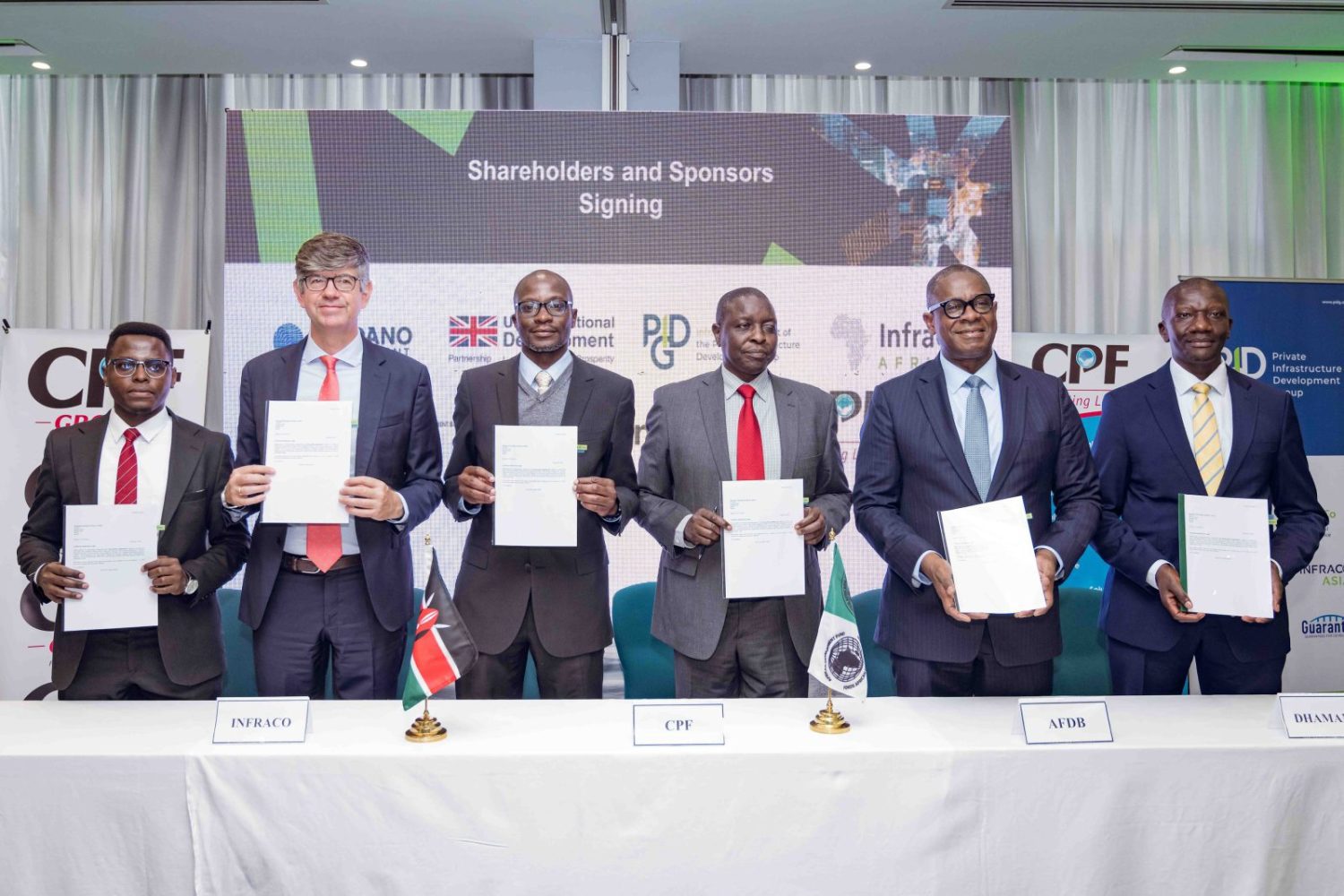
Monday 30 September 2024 – the Dhamana Guarantee Company Ltd (Dhamana) has reached a major milestone, marked at an event in Nairobi today.

Investors in the new company put pen to paper at a signing ceremony, which will allow the company to kick-start operations.

Dhamana aims to mobilise private sector finance to support the development of sustainable growth businesses. It will do so by issuing guarantees to commercially viable projects, businesses, and institutions that tackle the climate crisis and make progress towards the Sustainable Development Goals (SDGs).

The design and creation of the company was supported by the UK-Government backed investor the Private Infrastructure Development Group (PIDG) through InfraCo Africa.  With its anchor investment, PIDG kick-started Dhamana, attracting further investment from the African Development Bank (AfDB) and County Pension Fund Financial Services (CPF), with support provided by Cardano Development and FSD Africa.

The project will target businesses that add value to people’s lives, improving the day-to-day life of Kenyans. The increase in affordable finance for Kenyan businesses will mean projects will require less capital to get off the ground, make money, and generate growth. Dhamana will also enable investors to diversify their portfolios, acting as a catalyst to transform East Africa’s financing landscape.

This is the second time in a week that an investor in climate solutions backed by the UK Government has achieved a milestone. Last week, MOBILIST signed a partnership with the Nairobi Securities Exchange, which aims to drive the listing of new investment products in the Kenyan market and increase the amount of private sector capital available for development and climate projects in Kenya and drive growth.

Dhamana CEO, Christopher Olobo, said, “With the support of our investors and supporters, the Private Infrastructure Development Group (PIDG), Cardano Development, FSD Africa, CPF Financial Services, and the African Development Bank (AfDB), we have worked to develop Dhamana as an important catalyst for long-term sustainable finance in the region. Dhamana’s local currency guarantees will connect pools of untapped capital with East Africa’s real economy, making a tangible difference to people’s lives and offering local investors the opportunity to invest in Paris-aligned initiatives.” 

Speaking after the event, PIDG CEO, Philippe Valahu said, “Building on the success of other PIDG-supported credit enhancement facilities in Nigeria and Pakistan, Dhamana will demonstrate the value of such a facility in the East African market, opening up opportunities for investors and clients alike. Crucially, Dhamana will engage new partners and investors in our efforts to urgently address the climate crisis and accelerate delivery of the UN sustainable development goals.”

FSD Africa invests in Holocene, a Climate Tech Start-up Venture Capital Provider

FSD Africa’s Early-Stage Finance Pillar is investing US$150,000 in Holocene Ventures Fund (HVF), a climate tech start-up venture capital provider that seeks to raise an initial US$2 million to invest in 12 high impact climate businesses. HVF I will provide the track record and pipeline to raise a $30M pre-seed to series A climate tech fund in 2025.  The investment by FSD Africa comes alongside investments from other angel investors across Europe, USA and Africa.

Mary Kashangaki, Assistant Manager, Digital Innovations, FSD Africa said:

We need to think differently about how we finance Africa’s green transition. FSD Africa’s investment in Holocene offers an exciting opportunity to work with experts to build a new kind of venture capital fund that is flexible enough to meet the unique financing needs of early-stage climate ventures.

Holocene, based out of South Africa, has created an investment platform for climate conscious individual and institutional investors seeking climate positivity and venture capital returns. Holocene Venture Fund (HVF) will provide innovative pre-seed financing, combining both cash and venture building services, to climate tech start-ups, recognizing the need for diverse financial solutions to scale climate businesses. 

Josh Romisher, CEO, Holocene commented:

Africa is incredibly important in the global climate conversation. Holocene is very eager to partner with innovative investors such as FSD to prove African climate tech can deliver measurable climate impact and VC returns.

To date, Holocene has made 6 investments from its permanent capital vehicle as well as another 4 investments from HVF I. It aims to make 5 investments per year infusing them with a catalytic blend of financial & human capital with a focus on commercial outcomes. With concerted effort by diverse players to accelerate green growth in Africa, specialist climate focused investment funds like Holocene are expected to enhance capital flows and innovation in new climate technology led solutions across Africa.


Geothermal Exploration Risk Underwriting Facility

The Insurance Regulatory Authority of Kenya, Ministry of Energy and Petroleum, State Department of Industrialisation and East African Insurance Sector (ICEA Lion, Kenya Re, Old Mutual, GA and Mayfair) have today announced a geothermal risk underwriting facility, the first of its kind in Africa.

The facility will underwrite up to US$ 2 million in early project development with amounts exceeding the amount being externalized i.e. covered by external re-insurance. The product is anticipated to accelerate and attract greater investments in green energy projects in Kenya and the region by mitigating the financial risk associated with geothermal projects. The development of the facility was supported by FSD Africa in collaboration with partners Parhelion Underwriting, and Kenbright.

Speaking regarding the announcement, IRA Commissioner of Insurance Godfrey Kiptum lauded the facility as one that will deepen Kenya’s green energy credentials by spurring investments in the geothermal subsector, a form of energy in which the region holds great potential. “The insurance sector plays a critical role in the social-economic development of any nation. I am proud that insurance sector has kept innovation alive with products such as the geothermal risk underwriting facility, that enable greater private sector investment in the geothermal energy. It is also gratifying to note that this product will enhance green energy and sustainability of our economy” said Kiptum.

On his part Principal Secretary, State Department of Energy Alex Wachira noted that insurance cover for the risky upstream geothermal exploration work is a great enabler for the country to exploit her vast geothermal potential estimated at 10,000MW “The huge potential of geothermal energy makes it not only an energy source but also a driver of economic growth and sustainable development. Our country is endowed with vast geothermal resources, and great progress has been made in tapping into this clean power. However, for us to fill the energy gaps, we need collaboration and investment between the public and private sectors” explained the PS.

The de-risking facility announced will cover early-stage development drilling risks for investors in geothermal projects. This facility represents a critical step in creating a more favourable investment environment by mitigating the financial risks associated with these high-potential but high-risk projects. FSD Africa Risk& Resilience Director Kelvin Massingham has hailed the insurance sector for innovation and leading the way in supporting green energy transition in Africa. “At FSD Africa we are committed to make finance work for Africa and have finance flow into green investments for a sustainable future. We are proud to have worked with the State Departments of Energy and Industrialization as well as the insurance regulator and the private sector in developing this facility that will de-risk upstream geotherm resource prospecting, enabling greater investments in green energy” noted Massignham.

This underwriting facility not only marks a significant milestone in Africa’s journey towards sustainable energy but also sets a precedent for future initiatives aimed at de-risking and supporting other high-impact sectors across the continent. The prospect for the continent to leapfrog the energy transition is possible especially with solid backing from key stakeholders and a clear path forward. The promise of a greener,more sustainable Africa is within reach.

To drill a geothermal well requires on average US$ 5 million, with significant risk of missing geothermal resource after drilling. Most commercial debt is shy to cover this phase, yet its critical and quite upfront in development of geothermal energy. Kenya is already a leader in geothermal electricity, with a total installed capacity of 988.7 MW contributing 47% of the power on the grid. This places the country at rank sixth globally and first in Africa in terms of geothermal power development. However, the country still holds massive geothermal potential, estimated at 10,000 MW.

FSD Africa’s support of the geothermal underwriting facility is part of a wider geothermal energy programme that includes, among other things, technical capacity development and facilitation, advocacy and technical assistance, fundraising, and inclusive economic growth.

FSDAi Nyala Facility invests US$ 1 million in First Circle Capital Africa Fund

FSDAi Nyala Facility invests US$ 1 million in First Circle Capital Africa Fund I FSDAi Nyala Facility BV, a facility set up by FSD Africa Investments to invest in emerging local capital providers is injecting US$1 million into Africa-based specialist VC fund First Circle Capital. Run by former entrepreneurs and fintech executives Selma Ribica and Agnes Aistleitner Kisuule, First Circle invests in the continent’s most promising early-stage financial technology companies, leveraging the partners’ industry network and expertise with an angel investment track record at 33x MOIC.

First Circle focuses on insurtechs, financial infrastructure and climate fintechs. Other areas the fund
invests in is fintech Software as a Service (SAAS), Reg Tech and Alternative Lending Model firms. The team has built a portfolio of 13 investments so far in these areas, across 7 African markets.

Announcing FSDAi Nyala Facility’s investment, FSDAi’s Chief Investment Officer, Anne-Marie Chidzero said: “We are thrilled to back this promising GP team of remarkable female investors. First Circle stands out in the market as a thesis-led specialized fund with great depth of expertise and strategy in the fintech sector. We believe that FSDAi Nyala Facility’s backing will catalyse more institutional LPs into First Circle Capital Africa Fund I”.

According to BCG and the recent QED report, Africa is the fastest growing fintech region in the world, expected to grow its revenues by a staggering 13x by 2030. In Africa, fintech is well posed to resolve financial services access issues for the continent’s excluded and underserved population and SMEs, and to address its young population’s needs. Most Africans’ first interaction with the financial services sector may be through their smartphones, and BCG projects a fintech revenue CAGR of 32% until 2030, with South Africa, Nigeria, Egypt, and Kenya being the key markets.

Selma Ribica and Agnes Kisuule, Co-Founding partners of First Circle Capital commented:

“Expanding access, availability and stability of financial services for African consumers as well as SMEs is critical for economic development and social resilience. The majority of fintech funding to date has gone into payments, hence investing in the next layer of financial services poses a significant opportunity. We are investing in Africa’s most innovative entrepreneurs building the next layer of financial products, that enable and expand access to financial services for individuals and SMEs across Africa. We are excited to have FSDAi Nyala Facility as our first institutional partner, especially given FSD Africa’s track record in deepening access to financial services on the continent.”

Co-founders and managing partners are former M-Pesa executive and FinTech investor Selma Ribica based in Morocco and former emerging markets entrepreneur Agnes Aistleitner Kisuule based in Kampala. Selma’s angel portfolio is at 33x MOIC in early stage fintech and includes companies such as Qonto, Tabeo, Expensya and Agnes has previously built businesses in Jordan, Ukraine and Uganda.

The fund has offices in Kampala and Casablanca. With their team, the managers are leveraging their operational know-how as successful operators, previous track record, and strong network across Africa and internationally to support portfolio companies with fundraising and growth.

First Circle Africa Fund I is backed by FSDAi Nyala Facility, Axian Group, and several serial entrepreneurs and investors.


New research suggests Africa’s Green Economy could create more than 3 million direct jobs by 2030

Nairobi, 24th July 2024 – Shortlist and FSD Africa, with analysis from the Boston Consulting Group, today published “Forecasting Green Jobs in Africa,” a first of its kind report that forecasts the new direct job creation potential of 12 “green” sub-sectors by 2030. The report predicts the creation of up to 3.3 million new direct green jobs across the continent by 2030, with the majority in the renewable energy sector, particularly solar. The study, the first in-depth analysis of workforce needs within major green value chains over the next five years, provides detailed forecasts for five focus countries, Democratic Republic of Congo (DRC), Ethiopia, Kenya, Nigeria and South Africa, which together account for more than a fifth (22%) of new jobs, and in key sectors such as renewable energy, e-mobility, agriculture, construction and manufacturing.

“Forecasting Green Jobs in Africa” underscores the critical importance of a skilled workforce as an input accelerating African green industries, emphasizing the need for substantial investment in skills development and workforce mobilization. Moreover, the millions of jobs created in the green revolution will also contribute to the formalization of African economies, and the inclusion of whole populations in stable systems of remuneration, social security and taxation for the first time.

Based on the findings, the report also outlines key strategies required to cultivate Africa’s green jobs ecosystem: from targeted investments in high-potential sectors and value chains, the fostering of cross-sector collaboration among governments, private sector, educational institutions and investors, to the development of comprehensive support policies for green sectors. The report also calls for further analysis and granularity to labour demand key value chains to identify Africa’s current skilled labour supply and any potential gaps.

While some experts have suggested that up to 100 million green jobs may be created by 2050, this report takes a more near-term, sober, and realistic look at the job creation potential of just 12 specific sub-sectors or value chains and only until 2030. This more conservative analysis is intended to guide near-term investments and policy decisions among universities, workforce development actors, and government as we ensure the mobilization of the right skills and workforce to meet demand.

Significantly it predicts that 60% of the employment generated by the green economy over the coming six years will be skilled or white collar in nature. Within this, 10% constitute “advanced jobs” (highly skilled, requiring university degrees to fulfil), whilst a further 30% are projected to be “specialized” (requiring certification or vocational training) and 20% will be administrative in emphasis. Crucially, these job types tend to attract higher salaries and will, therefore, play a central role in spurring the growth of the middle class in countries hosting these high-growth sectors. Important also is the stability of the unskilled jobs created – which will offer ladders up the employment scale for candidates, whose employability will be enhanced by access to training and experience.

“There is a cross-sector effort across Africa to spur employment and sustainable development,” said Mark Napier, CEO of FSD Africa, “but stakeholders lack a shared, granular understanding of where the green jobs are going to come from. This report offers a methodology for forecasting green jobs which allows us to get practical about where we need to invest to make these jobs happen.”

“This is the first public report that takes seriously the notion that human capital and talent is important as both an input to green economic growth, and as a positive outcome – in the form of millions of new, direct jobs.” says Paul Breloff, CEO of Shortlist. “Now policymakers, and funders, and workforce developers need to step up to meet this near-term demand with effective training, apprenticeships, and job/skill matching, in hopes of achieving Africa’s green promise.”

Other key findings include:

  • South Africa, Kenya and Nigeria represent the highest job creation potential (16%) due to population, gross domestic product (GDP) and industry maturity
  • The renewable energy sector alone is expected to generate up to 2m jobs (70% of the total) of which 1.7m will be in solar
  • Solar is the most important contributor to green jobs in South Africa (140,000 jobs) and Kenya (111,000 jobs)
  • Hydroelectric is forecast to be the leading employer in both DRC (16,000 jobs) and Ethiopia (33,000)
  • Agriculture and nature are forecast to produce up to 700,000 jobs (25% of total), of which more than half (377,000) will come from climate smart agriculture technology

Jobs created by country

South Africa

  • South Africa: between 85,000 to 275,000 new green jobs are forecast by 2030 – mainly in energy and power production, and agriculture and nature
  • The solar sector leads job creation in South Africa with 140,000 jobs projected

Nigeria

  • Nigeria predicted to put on between 60,000 and 240,000 new green jobs by 2030
  • Aquaculture and poultry lead job creation, with 69,000 jobs projected

Kenya

  • Kenya predicted to put on between 40,000 to 240,000 green jobs by 2030
  • The solar sector leads this job creation, with estimates that it will generate 111,000 jobs in the country by the decade’s end

Ethiopia

  • Ethiopia will see between 30,000 and 130,000 new green jobs by 2030, mainly in energy and power production
  • Hydropower generation leads as a job-creating sector, with 33,000 jobs projected

Democratic Republic of Congo (DRC)

  • The DRC is predicted to put on between 15,000 to 45,000 new green jobs by 2030; mainly in energy and power production and distribution
  • Again, hydropower is expected to lead job creation as a sector with 16,000 jobs expected

Click here to download a copy of the report

Pan African Fund Managers Association (PAFMA) Welcomes New Members in Ongoing Drive to Bolster Climate Finance in Africa

Nairobi, 30th May 2024 – The Pan African Fund Managers Association (PAFMA), an esteemed trade association dedicated to enhancing climate finance across the African continent, proudly announces the addition of new members to its esteemed roster. Since its landmark introduction at the Africa Climate Summit in 2023, PAFMA has rapidly grown, now boasting nine members representing 16 African countries and 231 fund managers, collectively overseeing assets under management (AUM) exceeding US$120 billion.

The new members are the Association of Moroccan Companies and Investment Funds (ASFIM), the Namibia Savings and Investment Association (NaSIA), the Association of Investment Managers of Zimbabwe (AIMZ) and the Association des Societes de Gestion et de Patrimoine (ASGOP) de l’UEMOA.

Africa stands at a critical juncture, facing monumental financing gaps to achieve its Sustainable Development Goals (SDGs) by 2030. With a staggering requirement of US$1.2 trillion, alongside an annual climate financing need nearing USD 300 billion, the imperative for mobilising significant capital for development priorities has never been more pressing.

PAFMA emerges as a beacon of hope in this landscape, spearheading efforts to bridge the chasm in climate finance through private sector initiatives. Central to its mission is the promotion of alternative investments, with a strategic emphasis on green finance, heralded as a catalyst for propelling diverse sectors of the economy forward. By championing these alternative avenues, PAFMA envisages stimulating job creation and bolstering income generation across the continent.

In its endeavor to realise these ambitions, PAFMA is committed to pioneering localised research initiatives and fostering a knowledge-sharing culture and capacity-building among fund managers. This initiative aims to empower fund managers to assess and engage in investment opportunities within regions and countries where their presence was previously limited.

Furthermore, PAFMA assumes the mantle of a proactive advocate, offering invaluable policy insights and championing the interests of its members in both regional and international forums. The association fosters a conducive environment for collaboration and networking among fund managers from diverse African landscapes, facilitating the exchange of ideas and best practices.

Simultaneously, as Africa witnesses a surge in domestic institutional capital, estimated between USD 1-1.4 trillion, PAFMA recognises the untapped potential of harnessing local institutional capital to bolster the continent’s development agenda. Unlocking this reservoir of private sector finance will complement constrained public finance, amplifying local currency financing and fortifying Africa’s journey towards sustainable development.

FSD Africa launches feasibility study on innovative approaches to transferring MDBs capital to the private sector

Nairobi, 30 May, 2024 – Africa’s development needs demand innovative financing solutions to bridge a staggering US$1.2 trillion gap for achieving its Sustainable Development Goals (SDGs) by 2030, alongside an annual climate financing need of nearly USD 300 billion. In response to this challenge, FSD Africa has secured funding from the Multilateral Development Banks (MDBs) Challenge Fund seeded by the Bill & Melinda Gates Foundation, Open Society Foundations, and The Rockefeller Foundation, to spearhead a pioneering project: the “Local Currency Solution for Multilateral Development Bank Portfolio Transfer” (the ‘Project’). It is very pleased to announce the release of its feasibility study report.

In June 2023, FSD Africa received funding to develop the project. Since then, it FSD Africa has conducted a comprehensive feasibility assessment and engaged in market-sounding conversations with MDBs, institutional investors, fund managers, investment banks, and other stakeholders. Today, it presents the findings of this assessment on the sidelines of the African Development Bank Annual Meetings in Nairobi.

The report explores innovative approaches to optimising MDB’s capital efficiency by partially transferring MDB-originated assets to local institutional investors on African capital markets, thereby enriching domestic capital markets and creating a new asset class for domestic institutional investors. It also investigates novel methods for transferring MDB-funded projects and portfolios to the private sector through local currency solutions. As a development finance agency, FSD Africa is committed to deepening domestic capital markets in smaller emerging economies and providing institutional investors, especially pension funds, with enhanced opportunities to invest in highly rated assets.

The project targets long-term investment needs, focusing on critical areas such as climate risk mitigation, renewable energy, infrastructure, urban development, and housing. By transferring parts of MDBs’ portfolios to local institutional investors in emerging markets, the initiative aims to unlock MDBs’ capital and expand the scope and size of their developmental mandate while also fostering domestic capital markets in Africa.

The feasibility study, developed by FSD Africa, delves into understanding the landscape of alternative investments in Africa, institutional investors’ appetite for such investments, and regulatory requirements and constraints. Additionally, as part of the pilot to be rolled out in the next phase of this project, FSD Africa will co-design the structure of a fund for portfolio transfer, aiming to institutionalize the MDB asset transfer process and thereby empower MDBs to provide more financing to developing and emerging economies.

The study focuses on seven key African countries: Kenya, Uganda, Tanzania, Nigeria, Ghana, Senegal, and Cote D’Ivoire, leveraging their relatively deep institutional investor base. Operational (brownfield) assets funded by MDBs in these countries will be identified for transfer.

Addressing Africa’s critical development needs demands a transformative departure from conventional financing strategies. We must harness domestic institutional capital as a catalyst for change, complementing limited public funds and broadening access to local currency financing. This calls for an unconventional business approach, forging new asset classes, partnerships, and facilitators to mobilise capital effectively. Innovative mechanisms optimising MDBs’ capital efficiency and bolstering domestic markets pave the way for fresh investment opportunities, propelling Africa’s development agenda forward.” – Mark Napier, CEO of FSD Africa.

The study findings will be disseminated among stakeholders in the pilot countries, local institutional investors, and MDBs to gain endorsement and facilitate the implementation of the portfolio transfer model. This initiative marks a significant step towards leveraging local resources to drive Africa’s development.