Category: Press release

FSD Africa to advise on the US$300 million Kenya Blue-Green Bond programme announced at the 11th Our Ocean Conference

Mombasa, Kenya, June 2026 – Jumuiya ya Kaunti za Pwani (JKP), the regional economic bloc representing Kenya’s six coastal counties, in partnership with the Nairobi Securities Exchange (NSE), FSD Africa, the United Nations Development Programme (UNDP), the Kenya Maritime Authority (KMA), and the Kenya Ports Authority (KPA), today announced the US$300 Million Kenya Go Blue-Green Bond Programme, a landmark sustainable finance initiative designed to mobilise long-term capital for Kenya’s blue economy and climate resilience priorities.

The Kenya Go Blue-Green Bond Programme seeks to unlock at least US$300 million for strategic investments in fisheries, aquaculture, maritime infrastructure, ports, coastal tourism, biodiversity conservation, blue carbon, climate resilience, sustainable coastal livelihoods, and value-added blue economy enterprises.

The Programme is expected to catalyse investment, create quality jobs, strengthen coastal value chains, expand opportunities for women and youth, support ecosystem restoration, and enhance the resilience of coastal communities while contributing to sustainable economic growth.

A key pillar of the Programme is the scaling of blue carbon initiatives, including mangrove restoration and conservation, to support biodiversity protection, carbon sequestration, ecosystem recovery, and community-based climate finance while advancing Kenya’s climate and sustainable development objectives.

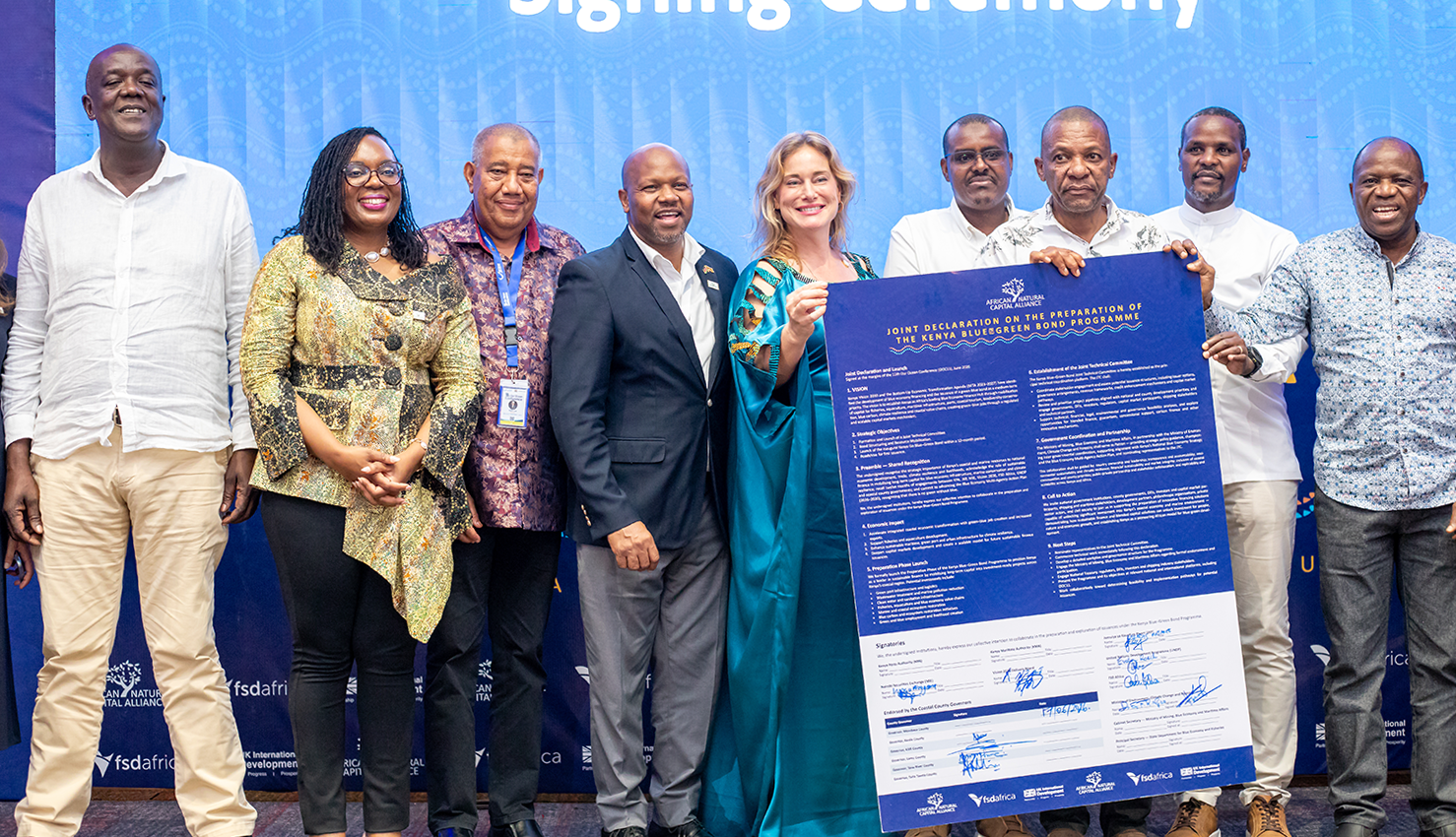
The announcement was made on the margins of the 11th Our Ocean Conference in Mombasa, where public institutions, development partners, investors, and private sector stakeholders signed a Joint Declaration establishing the Kenya Go Blue-Green Bond Joint Technical Committee. The Committee will lead programme preparation, project pipeline validation, investor engagement, resource mobilisation, governance design, feasibility assessments, and the development of an issuance roadmap.

The Programme is aligned with Kenya Vision 2030, the Fourth Medium-Term Plan (MTP IV), and the Bottom-Up Economic Transformation Agenda (BETA), which recognise the blue economy as a strategic frontier for economic growth, job creation, climate resilience, and sustainable development.

The initiative reflects the priorities articulated by H.E. President William Samoei Ruto during the 11th Our Ocean Conference, where he called for accelerated implementation of ocean commitments, increased investment in ocean-based adaptation, stronger regional collaboration, and practical solutions capable of translating commitments into tangible outcomes for communities, livelihoods, and ecosystems.

Building on this vision, Cabinet Secretary for Mining, Blue Economy and Maritime Affairs, H.E. Hassan Ali Joho, underscored the importance of mobilising innovative financing solutions to unlock the full potential of Kenya’s blue economy. He specifically called for the creation of an enabling investment environment to support blue bonds and other resource mobilisation strategies for ocean investment while accelerating investment in sustainable fisheries, coastal development, marine conservation, and ocean-based climate resilience initiatives.

Speaking on behalf of the coastal counties, H.E. Maj. (Rtd.) Dr. Dhadho Godhana, Governor of Tana River County and Chairman of Jumuiya ya Kaunti za Pwani, welcomed the initiative as a transformative platform for regional development.

“The Kenya Go Blue-Green Bond Programme provides a pathway to unlock long-term investment into coastal infrastructure, fisheries, aquaculture, tourism, environmental conservation, and climate resilience. It is about creating jobs, expanding economic opportunities, empowering women and youth, strengthening community livelihoods, and securing a sustainable future for Kenya’s coastal communities.”


Dr. Emmanuel Nzai, Chairman of the Kenya Vision 2030 Delivery Board and Chief Executive Officer of Jumuiya ya Kaunti za Pwani, described the Programme as a flagship financing platform for Kenya’s coastal transformation.

“This milestone marks the transition from strategy to execution. Through the Kenya Go Blue-Green Bond Programme, we are bringing together government, development partners, investors, and the private sector to establish a scalable financing platform capable of accelerating sustainable growth, strengthening climate resilience, restoring critical ecosystems, and improving livelihoods across Kenya’s coastal region.”


The Kenya Go Blue-Green Bond Programme has been accelerated through the Nairobi Securities Exchange’s Sustainable Finance Centre of Excellence, which has supported ecosystem convening, capacity building, investor readiness, sustainable finance structuring, project preparation, and strategic stakeholder engagement. As a member of the African Natural Capital Alliance, NSE is committed to advancing the protection of natural capital by providing a trusted platform for capital mobilization and fostering an enabling environment that promotes sound governance, transparency, and integrity in sustainable financing.

As the capital markets partner to the Programme, the Nairobi Securities Exchange will work with stakeholders across the capital markets ecosystem to develop robust capital pathways, strengthen issuer readiness, facilitate investor engagement, mobilise long-term domestic and international capital, and support future issuances under the Programme.

Cecilia Bjerborn Murai, Principal Specialist, Sustainable Finance at FSD Africa, welcomed the initiative as an important milestone for sustainable finance in Africa.

“The Kenya Go Blue-Green Bond Programme demonstrates how innovative capital market solutions can mobilise long-term investment for economic growth, climate resilience, and environmental stewardship. It represents an important step towards establishing a scalable African model for blue-green economy financing.”


FSD Africa and UNDP will provide sustainable finance expertise, technical assistance, capacity building, and resource mobilisation support throughout programme implementation.

The partners have committed to immediately commence programme implementation activities, including establishing governance structures, validating project pipelines, engaging regulators and strategic partners, mobilising technical assistance, and undertaking the feasibility and structuring work necessary to support future issuances under the Kenya Go Blue-Green Bond Programme.

The Programme will adopt an impact measurement framework aligned with international sustainable finance standards, tracking economic, social, climate, biodiversity, blue carbon, gender, and youth outcomes to ensure measurable benefits for communities, investors, and ecosystems.

Through the Kenya Go Blue-Green Bond Programme, Kenya is laying the foundation for a scalable African model for mobilising private capital into the blue economy, demonstrating how innovative finance can accelerate sustainable development, strengthen climate resilience, protect marine ecosystems, and create lasting prosperity for future generations.


About the Kenya go Blue-Green Bond programme

The Kenya Go Blue-Green Bond Programme is a collaborative initiative involving Jumuiya ya Kaunti za Pwani (JKP), the Nairobi Securities Exchange (NSE), the Kenya Vision 2030 Delivery Board, the Kenya Ports Authority (KPA), the Kenya Maritime Authority (KMA), FSD Africa, the United Nations Development Programme (UNDP), coastal county governments, development partners, investors, and other strategic stakeholders.

The Programme seeks to develop innovative financing mechanisms, including blue bonds, green bonds, and other sustainable finance instruments, capable of mobilising long-term capital for sustainable coastal and marine development while positioning Kenya as a leading hub for blue economy finance and advancing inclusive, climate-resilient growth.
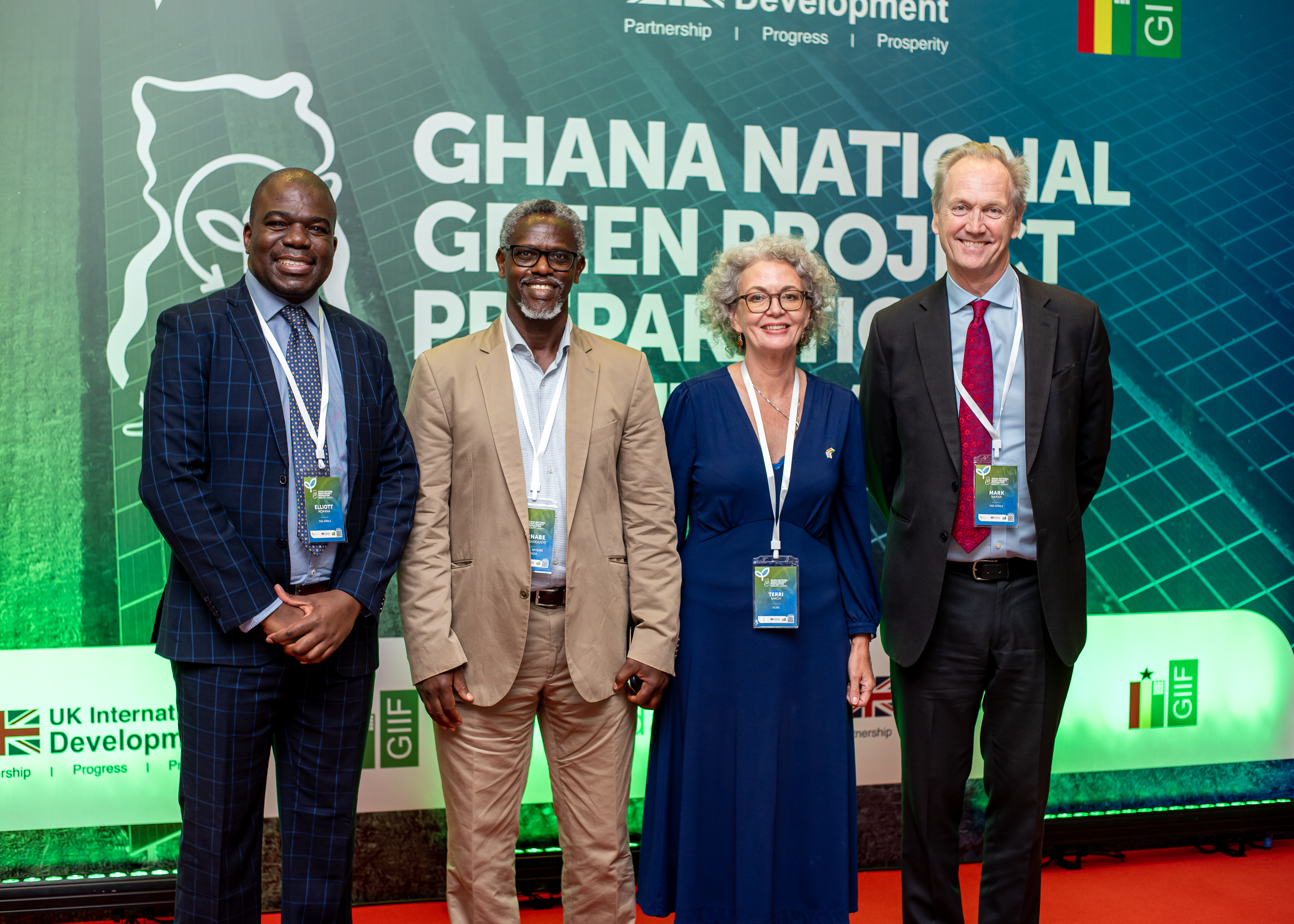
Launch of green project preparation facility to unlock investment in climate infrastructure in Ghana

FSD Africa, the British High Commission, and the Ghana Infrastructure Investment Fund (GIIF) have launched a Green Project Preparation Facility (PPF) – a platform designed to bridge Ghana’s infrastructure financing gap by preparing climate-aligned projects for investment.

The Facility was formally launched yesterday evening in Accra. The PPF, initially capitalised with a commitment of GBP5mn from UK Government, was first announced during President H.E. John Dramani Mahama’s visit to the United Kingdom as part of the UK–Ghana Growth Partnership. The facility will be hosted and managed by FSD Africa, in partnership with GIIF. It is anticipated that the PPF will grow in size, with support from other development partners in due course.

The PPF seeks to build a robust investible pipeline of green infrastructure projects, reduce development risk and time to financial close, and mobilise private capital while strengthening national delivery systems.

Mr. Nana Dwemoh Benneh, Chief Executive Officer of the GIIF, highlighted the significance of the new Facility for Ghana’s broader climate investment agenda.

“We are delighted to be part of this important initiative with FSD Africa and sincerely grateful to the FCDO for its support in making this facility possible. The PPF is both timely and strategic. It presents a significant opportunity for GIIF and FSD Africa to collaborate in developing a robust pipeline of bankable, climate-resilient, and investment-ready infrastructure projects. By strengthening project preparation capabilities across both the public and private sectors, the facility has the potential to unlock much-needed climate and infrastructure finance, crowd in private capital, and accelerate Ghana’s transition towards a more resilient, low-carbon, and sustainable economy”.

The British Deputy High Commissioner to Ghana Ms. Terri Sarch reaffirmed the UK’s long-standing commitment to supporting Ghana’s economic development, emphasising that climate-resilient infrastructure is central to shared prosperity.:

“The UK–Ghana partnership is about turning shared ambitions into real results. Through the Green Project Preparation Facility, we are delighted to be partnering with FSD Africa and the Ghana Infrastructure Investment Fund (GIIF) to turn strong Ghanaian ideas into investable projects. Further, the PPF will help unlock much needed finance toward climate-resilient infrastructure, improving Ghana’s ability to tackle increasing challenges posed by climate change.” said Ms Sarch

Ghana, in common with many of its West African neighbours and global peers, faces intensifying climate impacts. Shifting rainfall patterns, rising sea levels and increased flood frequency place growing pressures on urban infrastructure, energy systems and rural livelihoods. Around a third of Ghana’s electricity generation relies on hydropower, directly exposed to drought and erratic rainfall, while over 40 per cent of the workforce depends on climate-sensitive agriculture. Ghana’s exposure to these shocks makes investment in climate-resilient infrastructure an immediate development priority.

FSD Africa is a specialist development agency working to make finance work for Africa’s future. Headquartered in Nairobi, they operate across more than thirty African countries through a range of funds, institutions, and projects. The PPF will be hosted and managed by FSD Africa, in partnership with the Ghana Infrastructure Investment Fund (GIIF). FSD Africa brings several years of direct in-country engagement, including advisory support to the Ministry of Finance on debt management and domestic capital market development, co-development of the Ghana Green Finance Taxonomy, capacity-building for the National Insurance Commission on ESG frameworks, and ongoing partnership with the GIIF to establish a dedicated Climate Sub-Fund.

Mark Napier, CEO of FSD Africa, welcomed the launch as a pivotal step for Ghana’s climate finance ecosystem:

“We are privileged to extend our collaboration with Ghana by hosting the Green Project Preparation Facility. We hope that the PPF will prove instrumental in crowding domestic private capital into a series of important projects that will add value to the economy and boost Ghana’s climate resilience. We look forward to the partnership with GIIF on this highly impactful initiative”.

The PPF is open to both public and private sector project developers working on climate-aligned infrastructure in Ghana. Projects will be assessed on the basis of their climate impact, financial viability and potential to attract investment, and are expected to cover a range of priority sectors, including renewable energy, waste and water management, urban infrastructure, transport, housing and social infrastructure.

An initial pilot cohort of projects is already in active preparation. The full PPF pipeline will be developed through a structured, transparent appraisal process in partnership with the GIIF and other Ghanaian stakeholders. Further details on eligibility criteria, the application process and contacts can be found at http://fsdafrica.org/

FSD Africa supports Fund Managers’ Association (FMA) of Kenya’s transition to Self-Regulatory Organisation (SRO) status

FSD Africa and the Fund Managers’ Association of Kenya (FMA) are pleased to announce a strategic partnership under which FSD Africa will provide financial and technical support to FMA as it embarks on a transformative journey towards becoming a Self-Regulatory Organisation (SRO).

As an SRO, the FMA will transition into a non-government organisation able to establish, monitor, and enforce industry standards and regulations. By tapping into best practices in the global fund management industry, FMA will support the regulator in ensuring that its members conduct themselves ethically and legally, helping protect investors and maintain market integrity. Ultimately, this will boost investor confidence in Kenya’s fund management industry, attracting even bigger investment through pooled funds. The initiative marks a significant milestone in the evolution of FMA, which has represented Kenya’s licensed fund management industry for the past 18 years. As Kenya’s capital markets continue to deepen and mature, FMA believes that pursuing SRO status is the next progressive step to strengthen industry standards, enhance investor confidence, promote professional excellence, and support the long-term development of the asset management sector.

FSD Africa’s support reflects a shared commitment to building stronger financial markets and mobilising long-term domestic capital to support economic growth and sustainable development.

Dr Evans Osano, Chief Financial Markets Officer at FSD Africa, said:

“A strong and well-governed asset management industry is critical to the growth and resilience of Africa’s financial markets. FMA has played an important role in advancing professionalism, stewardship and market development in Kenya’s investment management sector. We are pleased to support the Association as it explores the path towards SRO status, which has the potential to strengthen market integrity, improve industry standards and contribute to a more robust investment ecosystem.”

Nicholas Ithondeka, Chair of the FMA Council, said:

“This support comes at a defining moment for the Association. Over the past 18 years, FMA has evolved into a respected voice for the fund management industry. Pursuing SRO status represents a natural progression in our institutional development and demonstrates our commitment to raising standards, strengthening accountability and supporting the continued growth of Kenya’s capital markets.”

Fred Mburu, Chief Executive Officer of FMA, said:

“We are extremely pleased by FSD Africa’s affirmation of the important work and ambitions of the Association. This partnership is not only an investment in FMA as an institution, but also in the future of Kenya’s investment management industry. The journey towards SRO status reflects our members’ collective vision for a stronger, more professional and globally competitive asset management sector that serves investors and contributes meaningfully to national development.”

The project will involve stakeholder engagement, international benchmarking, technical assessments and the development of an implementation roadmap to evaluate and support the transition towards an effective self-regulatory framework.

Africa’s Green Transition To Create Up to 84m Jobs by 2050

Africa’s green transition could generate up to 84.5 million jobs by 2050 but without concerted policy action the benefits risk entrenching inequality rather than reducing it.

This is the key finding of a new report, Unlocking Africa’s Green Transition: Opportunities Towards a Green and Inclusive Workforce, launched by financial sector development agency FSD Africa in partnership with Shell Foundation, a philanthropic foundation working to raise incomes while lowering emissions, and Shortlist, a talent advisory firm working across Africa. Shell Foundation’s participation is funded by the UK Government via the Transforming Energy Access (TEA) platform.

A once-in-a-generation opportunity

The report shows that Africa’s green economy is already taking shape, with 3.8 to 7.9 million jobs projected by 2030, rising to between 65.9 and 84.5 million by 2050. Unlike other regions, Africa’s transition will be driven not by large infrastructure projects, but by decentralised, service-led industries, including clean cooking, off-grid solar, waste recycling, and electric mobility. These sectors are expected to create most jobs through installation, distribution, and last-mile services, providing critical entry points for youth, women, and low-income workers.

A critical workforce gap threatens progress

Despite the scale of the opportunity, the report highlights a major constraint: Africa lacks the workforce capacity needed to deliver the transition at scale.

  • Africa’s renewable energy workforce accounts for just 2% of the global total, despite the continent holding 60% of the world’s best solar resources
  • Only 5% of African youth have completed formal vocational training
  • Less than 1% of climate finance is directed toward skills development, creating a major bottleneck

Without urgent investment in training and workforce systems, projects will stall, rely on imported expertise, and fail to deliver local economic benefits, warns the report.

“Unlike other regions, the employment dividend of Africa’s green transition will be realised through service value chains, not construction sites, and we have to invest accordingly,” said Kevin Munjal, Director, Development Impact, at FSD Africa. “Finance directed towards sectors such as clean cooking, distributed solar, waste recycling and e-mobility will generate substantially more employment than utility-scale infrastructure. But we also need the right policy frameworks to make that happen.”

Most green jobs will be informal raising risks of inequality

The report also challenges assumptions about the nature of green employment:

  • 86% of green jobs in 2030 are expected to be informal
  • The fastest-growing sectors: clean cooking, waste recycling, and solar home systems — are those with the lowest barriers to entry but weakest job protections
  • Women and young people are expected to benefit significantly from job creation but largely in informal, lower-value roles

Without targeted interventions, most workers will remain outside formal labour protections. Women in particular are concentrated in commission-based, lower-value roles without progression pathways or social protection.

“Africa’s green transition represents one of the most significant economic opportunities of our generation. However this vision can only be realised if the green economy is designed to work for the lower-income and informal workers who power our society – and in particular for the women,” said Richard Gomes, Chief Programme Officer at Shell Foundation. “The prize here is not ‘more green jobs’. The prize is future-proofed jobs anchored in sectors that will continue to grow as the world navigates compounding climate, energy and economic disruption.”

Policy and financing decisions will determine the outcome

The report makes clear that the difference between high and low job scenarios is not inevitable, it is the result of policy choices. If governments and investors act decisively, Africa could create nearly 8 million green jobs by 2030. Without action, the figure could be less than half that level and by 2050 the result would be 18.5m fewer jobs.

Key priorities include:

  • Redirecting finance toward high-employment sectors such as clean cooking, distributed solar, waste and e-mobility
  • Investing in green skills systems, including modular training and recognition of informal skills
  • Embedding workforce and gender inclusion targets into climate finance
  • Extending social protection to informal workers, including through mobile platforms
  • Developing innovative financing mechanisms to unlock capital for skills development

“The right human capital is an important input for successful climate-positive growth, so we have to be sure Africa’s workforce is ready for what’s needed. But high-quality jobs are also an exciting benefit of the green transformation. Now we have an even better idea where these millions of jobs and livelihood opportunities will come from and what we can do to make sure the market is ready,” said Paul Breloff, Co-Founder & CEO of Shortlist Africa.

No one size fits all

The report takes an in-depth look at three countries: Kenya, Nigeria and South Africa, concluding that there is no one green transition and a single continental strategy would fail. Key findings include:

  • Nigeria’s projected 2030 green workforce is around 87% informal and driven by nano-enterprises
  • South Africa’s is around 70% formal and shaped by regulated procurement frameworks
  • Kenya’s occupies a distinctive middle ground anchored by mobile money infrastructure and devolved governance.

Overall, East and Southern Africa are projected to capture 58% of 2050 high-scenario green employment despite housing only 40% of Sub-Saharan Africa’s population, reflecting deeper enabling conditions already in place.

From research to action: launching the Green Jobs Innovation Hub

To help address these barriers, FSD Africa is launching the Green Jobs Innovation Hub, aimed at mobilising finance and partnerships to scale workforce solutions across the continent. The initiative will focus on unlocking new financing models to ensure that workforce development keeps pace with investment in green infrastructure.

A call to governments, investors and industry

The report calls on stakeholders across the ecosystem to act urgently:

  • Governments to integrate jobs and skills into climate and industrial strategies
  • Development finance institutions to embed workforce investment in funding decisions
  • Private sector actors to invest in training and improve job quality
  • Training providers to modernise curricula for emerging green roles

Only a coordinated response, the report warns, will ensure the green transition delivers both climate outcomes and broad-based economic opportunity.

3IF Ventures Reaches USD 12 Million First Close to Scale Africa’s Inclusive Insurance Market

FSD Africa Investments and ZEP-RE co-anchor pioneering pan-African insurance impact fund; pathway to USD 30 million final close.


Mauritius – 5 June 2026 – 3IF Ventures (or the “Fund”), the first impact venture capital fund dedicated to Africa’s insurance start-up ecosystem, today announced the First Close of the Inclusive Insurance Investment Fund (3IF Ventures) at USD 12 million. The fund is co-anchored by FSD Africa Investments (FSDAi) and ZEP-RE (PTA Reinsurance Company), and will provide equity capital from pre-seed to Series B to early-stage businesses across Africa.

Africa’s insurance protection gap is one of the most underserved opportunities but also one of the most significant barriers to economic resilience on the continent. Uptake remains constrained by three persistent challenges: awareness, accessibility, and affordability resulting in over 1 billion people not having access to any form of insurance cover. 3IF Ventures is built to convert that untapped market into a commercial opportunity by backing technology-enabled insurance businesses across four thematic verticals: climate and disaster resilience, agriculture and rural livelihoods, digital health and wellbeing, SMEs and asset protection. The Fund, which targets a final close of USD 30 million, plans approximately 15-20 portfolio investments. 3IF Ventures will also operate a technical assistance facility sized at approximately 20 percent of total fund commitments.

3IF Ventures is structured as a blended investment vehicle including a catalytic capital junior tranche used to unlock private capital. The Fund intends to achieve substantial socio-economic impact and climate resilience in Africa over the Fund’s lifetime, targeting:

  • Over 5.9 million new insurance policies issued;
  • Over 3.5 million households and SMEs with improved financial resilience;
  • Over 1.7 million jobs created, sustained and retained.


“Reaching First Close with FSD Africa Investments and ZEP-RE on the same cap table is a market signal: impact and private capital are now investing in the same insurance technology pioneers. Africa’s protection gap is the most under-served commercial opportunity of the decade, closing it requires patient capital, local risk capacity and industry-grade portfolio support, working in concert. With a pre-qualified pipeline of fifteen insurance ventures across ten African markets, we are ready to deploy capital and look forward to engaging with strategic private and public partners as we enter the next stage of our growth.”

Anthony Chaillet and Dr. Mario Wilhelm, General Partners, 3IF Ventures said.


“FSDAi’s investment in 3IF Ventures reflects our conviction that the insurtech sector is ready to scale – built on a pipeline of 135 early-stage businesses supported through BimaLab. As the first investment vehicle dedicated to inclusive insurance in Africa, 3IF Ventures brings institutional rigour to a segment that has long lacked it. This first close proves that when sector expertise, the right capital structure and the right partners align, the protection gap becomes an investable proposition.”

Anne-Marie Chidzero, Chief Investment Officer, FSD Africa Investments said.


“The fund aligns with our mission to deliver sustainable and innovative (re)insurance solutions through collaboration with private, public and development sector partners to close the protection gap and promote economic growth. The Fund will assist in bringing together like-minded partners and capital providers to support technology enabled insurance businesses that help in closing the protection gap across Africa. Beyond the capital injection, ZEP-RE will offer further support to the investee companies through its technical experience in the (re)insurance ecosystem such as product design and leverage off its existing networks among primary insurers and regulators to provide underwriting capacity and an enabling regulatory environment for investees to achieve shared success across the continent.”

Hope Murera, Managing Director and Group CEO, ZEP-RE (PTA Reinsurance Company) said.


About 3IF Ventures

3IF Ventures is the General Partner and Investment Manager of the Inclusive Insurance Investment Fund – the first impact venture capital fund dedicated to Africa’s insurance start-up ecosystem. The fund invests from pre-seed to Series B businesses solving the “3A Challenge” (Access, Awareness, Affordability) across ODA-eligible African markets. The Fund is led by Anthony Chaillet and Mario Wilhelm, two seasoned re/insurance experts and investment professionals with over 40 years of combined industry experience globally. www.3if.ventures.


About FSD Africa Investments

FSD Africa Investments (FSDAi) is a specialist financial sector investor established by FSD Africa and the UK’s FCDO to strengthen and deepen Africa’s financial markets. We bridge critical funding gaps by investing patient, risk-bearing capital in novel financial instruments, facilities, and intermediaries. Our strategic investments take on early risk, test new models and catalyse capital from others to gradually transition the financial sector to finance Africa’s economic resilience and growth. To date, FSDAi has committed £127 million from its £309m capital commitment to 21 investments, and has successfully exited three investments, one at 2x money.


About ZEP-RE (PTA Reinsurance Company)

ZEP-RE is a leading pan-African reinsurer and specialised institution of COMESA established in 1990 with a mandate to develop the (re)insurance industry, build capacity, mobilize investments and deepen financial inclusion. It has operations in over 45 African countries with headquarters in Nairobi, Kenya and eight country/regional offices spread across Sub-Saharan Africa in Côte d’Ivoire, D.R. Congo, Ethiopia, Sudan, Uganda, Zambia, and Zimbabwe. ZEP-RE’s subsidiary ACRE Africa focuses on resilience and credit access for small-holder farmers through technology and insurance with 6 offices across Africa. It is the second best rated African reinsurer on the continent by A.M. Best with a credit rating of B++ (Financial Strength)/bbb+ (Issuer Credit). www.zep-re.com.


Media Contacts

3IF Ventures

Mario Wilhelm, General Partner (mario@3if.ventures)

Anthony Chaillet, General Partner (anthony@3if.ventures)


FSD Africa Investments

Joyce Waihiga, Manager Communications (joyce@fsdafrica.org)


ZEP-RE

Kasee Mbao, Head M&A and Advisory (kmbao@zep-re.com)

FSD Africa supports Insurance and Pensions Commission of Zimbamwe launch a Regulatory Sandbox

15 May 2026 – The Insurance and Pensions Commission (IPEC) has officially launched its Regulatory Sandbox and opened the Cohort Two Application Window as part of efforts to promote innovation, financial inclusion and technology-driven transformation in Zimbabwe’s insurance and pensions industry. The Cohort Two application window opened on 13 May 2026 and will close on 30 June 2026.

FSD Africa and Cenfri provided technical assistance to IPEC in developing the Regulatory Sandbox and capacity building for IPEC and the insurance and pensions industry.

The IPEC Regulatory Sandbox provides a controlled and supervised environment where innovators can safely test new insurance and pensions products, services, technologies and business models before full-scale deployment into the market, if they pass the test.

The initiative is designed to support local and foreign innovators, InsurTechs, FinTechs, startups, universities, innovation hubs and regulated entities seeking to develop solutions that improve access, efficiency and consumer experience within the insurance and pensions ecosystem in Zimbabwe.

IPEC Commissioner, Dr Grace Muradzikwa said the Regulatory Sandbox represents a significant milestone in the modernisation of Zimbabwe’s insurance and pensions industry. She added that the sandbox would help foster collaboration between IPEC and innovators while ensuring that consumer protection remains central.


“The official launch of the IPEC Regulatory Sandbox reflects the Commission’s commitment to creating an enabling environment for responsible innovation in the insurance and pensions sector.

Innovation is critical in addressing market gaps, deepening financial inclusion and improving customer experience, particularly among underserved communities”

Dr Muradzikwa said.


“Regulatory sandboxes are increasingly becoming important tools for enabling responsible innovation across Africa’s financial services ecosystem. FSD Africa is proud to have walked this journey with IPEC in developing and operationalising the Regulatory Sandbox, which we believe, will help deepen financial inclusion in Zimbabwe.’

Elias Omondi, Principal, Sustainable Insurance at FSD Africa said.


“Innovation thrives where regulators and innovators engage constructively. The IPEC Regulatory Sandbox has the potential to unlock new insurance and pensions solutions that can improve inclusion, affordability and resilience for consumers in Zimbabwe.”

Ms Nichola Beyers, Cenfri Engagement Manager,  added.


Applications are invited from both local and international individuals and entities proposing innovative products, services, technologies or business models that fall outside the current regulatory framework.

Completed applications must be submitted through the Regulatory Sandbox Portal available on the IPEC website: www.ipec.co.zw


About IPEC

IPEC is a statutory body that was established in terms of the Insurance and Pensions Commission Act [Chapter 24:21] with the mandate of regulating and developing the insurance and pensions industry in Zimbabwe.


About FSD Africa

FSD Africa is a specialist development agency that focuses on strengthening and developing financial markets across Africa. The organisation works with governments, regulators, policymakers, financial institutions and private sector players to mobilise capital, support policy and regulatory reform, strengthen financial infrastructure and promote innovation, financial inclusion and sustainable finance.


About Cenfri

Cenfri is an independent African economic impact agency and not-for-profit development consultancy working to boost economic growth and sustainable development in emerging markets. Cenfri partners with regulators, policymakers, development institutions and private sector stakeholders to support inclusive financial sector development, digital transformation and evidence-based policymaking.

FSD Africa supported first small holder agriculture securitisation deal in Kenya reaches first close at KES 276 million

Kaleidofin, IDH Farmfit Fund and Apollo Agriculture announce landmark local currency transaction to strengthen smallholder finance in Kenya

Nairobi, Kenya, 07th May: Fintech platform, Kaleidofin, has closed Kenya’s first private-sector local currency securitisation in the smallholder agriculture sector, in partnership with agri-finance company Apollo Agriculture and with investment from the IDH Farmfit Fund, a blended finance impact fund,  marking a significant step in developing institutional capital markets for rural lending.

This first-of-its-kind securitisation in Kenya demonstrates how structured credit markets can channel institutional capital toward smallholder finance.

The milestone transaction mobilised KES 276 million (approximately USD 2.5 million) through the securitisation of receivables originated by Apollo Agriculture, covering a portfolio of 23,839 smallholder farmers, 51% of whom are women, with an average loan size of KES 17,942 and approximately 22% first-time borrowers.

Structured through Kaleidofin’s ki platform, a dedicated debt capital market infrastructure, the transaction enables the conversion of granular agricultural loans into investable assets for institutional investors. Unlike traditional models that rely on rigid standardisation, the platform supports customised structuring of portfolios and risk segmentation, powered by Kaleidofin’s proprietary ki score, an AI-driven risk intelligence layer built on loan transaction, bureau and alternative data.

The structure allows originators such as Apollo Agriculture to recycle capital efficiently while aligning financing to seasonal agricultural cycles and provides investors with improved visibility into underlying asset risk, helping reduce information asymmetry in an otherwise opaque segment.

For Apollo Agriculture, the transaction releases immediate liquidity and improves capital efficiency, enabling continued expansion of financing to smallholder farmers without increasing balance sheet leverage. The company combines credit with farm inputs, insurance, and advisory services, using machine learning and satellite data to underwrite customers typically excluded from formal finance.

“This transaction demonstrates how innovative financial structures can unlock capital for smallholder farmers at scale,” said Roel Messie, CEO of IDH Investment Management, manager of the IDH Farmfit Fund. “Building investable opportunities in agriculture requires both capital and enabling infrastructure, and this partnership brings those elements together.”

“This is a meaningful step in building efficient, scalable funding for smallholder agriculture,” said Eli Pollak, CEO of Apollo Agriculture. “By converting receivables into working capital, we are able to lower our cost of funds and expand access to affordable, local currency financing for farmers.”

The IDH Farmfit Fund acted as anchor investor in the transaction, which represents the first step in a broader multi-year securitisation programme expected to mobilise approximately KES 2.37 billion and reach more than 130,000 farmers over time.

The transaction was supported by a broader ecosystem of partners working to develop the enabling environment for structured finance in agriculture. UK-funded specialist development agency, FSD Africa provided support across legal and regulatory structuring, investor engagement, and market development, while the UK’s flagship public markets programme, MOBILIST,  contributed to tax and structuring guidance.

This transaction showcases how well-functioning market infrastructure can catalyse institutional capital for sectors traditionally considered high-risk, like smallholder agriculture. FSD Africa’s role has been to help build the foundations – from regulatory clarity to investor confidence – that make transactions like this viable and repeatable. We see this as a blueprint for how structured finance can unlock sustainable, large-scale funding for inclusive growth across Africa,

Dr. Evans Osano, Chief Financial Markets Officer at FSD Africa

The transaction is expected to serve as a blueprint for similar structures across emerging markets, demonstrating how technology-enabled infrastructure and blended finance can expand access to capital for underserved borrowers while creating investable opportunities for institutional investors.

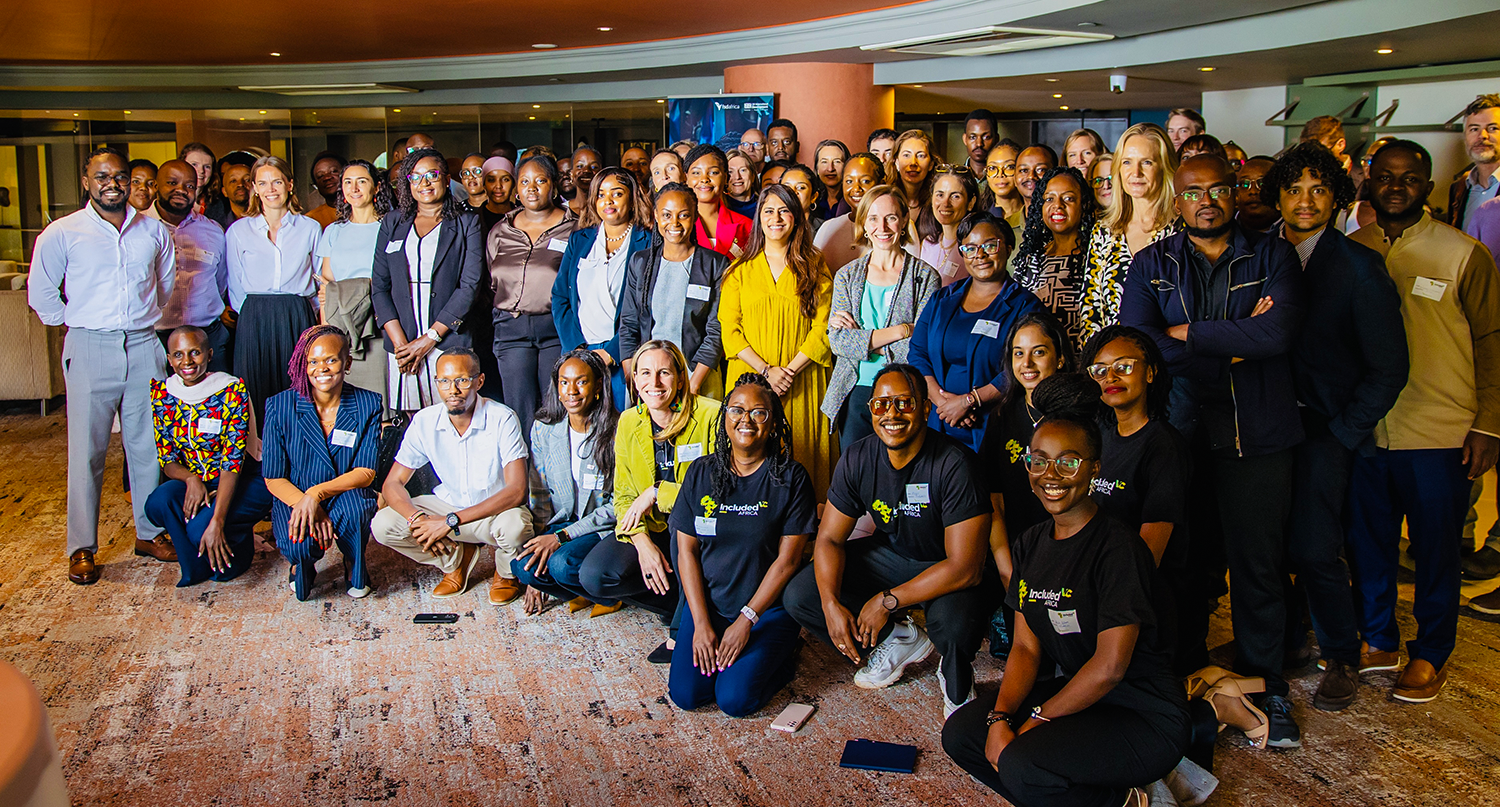
Included VC Launches New Africa Investor Fellowship Powered By FSD Africa and FMO

Kenya, April 2026 — Included VC has today announced the launch of the Included VC Africa Investor Fellowship, its first designed for existing investment professionals. The pilot programme, backed by FSD Africa, the financial sector development agency and FMO Ventures Program , of the Dutch entrepreneurial development bank which has been supported by the European Commission, will bring together more than 40 investment professionals working in Africa in its inaugural cohort and reflects a shared commitment to strengthening the continent’s investment ecosystem by investing in the talent driving it.

The 4+ month Fellowship is designed to strengthen how analysts, associates, and other early-career investment professionals source deals, assess opportunities, and learn alongside peers facing similar opportunities and challenges. Through a blend of technical training, practical exercises, expert insight, and peer connection, the Fellowship is built to help participants deepen their practice, expand their networks and gain exposure to both regional and international approaches.

While capital flowing into African venture markets has grown over the past decade, investor capability hasn’t kept pace. Many funds operate with lean teams, limited time for structured training, and uneven exposure to global best practice, which in turn shapes how deals are sourced, assessed, and supported. At the same time, there is a growing pool of talented early- and mid-career professionals across the continent, but access to high-quality, context-relevant training remains scarce. As a result, much of the learning is on the job, which is difficult to scale and inconsistent across the industry.

The Fellowship will be introduced to an audience of investors, partners, alumni, fellows, and other ecosystem leaders at an event on 28th April during the AVCA Conference and VC Summit in Nairobi, Kenya.  It builds on Included VC’s strong seven year track record of providing investor education, opening access to world-class learning, networks, and opportunities in venture capital for exceptional talent. Its global Fellowship is now well established, and in 2025, Included VC launched a dedicated Africa Fellowship aimed at helping new talent break into the broader investment ecosystem with a five year vision of investors across 54 countries. The pilot of the Africa Investor Fellowship  will run from July to December 2026. Its initial cohort will be drawn from FSD Africa capital providers, FMO portfolio funds, and Included VC Africa partners, before the programme opens to a wider audience.


For more information please contact:

Nikita Thakrar

Co-Founder and CEO

Included VC

nikita@included.vc

Nigeria’s Heat Crisis Is Fueling a New Wave of Startups

10 ventures selected to scale solutions for extreme heat across food and agricultural systems, healthcare, climate intelligence, and clean energy

Lagos, Nigeria, April 2026 — As heat intensifies across Nigeria, a new cohort of ventures is developing solutions to protect crops, reduce food spoilage and livestock losses, and equip hospitals and outdoor workers to anticipate and withstand extreme conditions. BFA Global, FSD Africa, ClimateWorks Foundation, and the UK’s Foreign, Commonwealth & Development Office (FCDO) Nigeria have selected 10 early-stage ventures to join the inaugural cohort of the TECA Heat Action Wave (THAW) program focused on accelerating solutions to extreme heat.

The 10 selected ventures are:

  • Ofemini Global Limited provides a heat-resilient logistics platform that helps farmers transport perishable goods efficiently, reducing spoilage caused by extreme temperatures through optimized routing and heat monitoring.
  • Agiletech Operations Consulting Limited provides a hyperlocal early-warning system that delivers climate and heat alerts through accessible channels, enabling farmers and micro-entrepreneurs to anticipate risks and take preventive action.
  • Emplaris develops a predictive energy and heat-risk intelligence system for healthcare facilities, helping hospitals anticipate outages and manage equipment stress during extreme heat events.
  • Doorcas Africa delivers an AI-powered livestock health and co-ownership platform that enables early disease detection and prevention, helping farmers reduce heat-related livestock mortality and improve productivity.
  • Farmxic offers an AI-driven soil and crop diagnostics platform that helps farmers adapt to heat-induced soil degradation and crop stress through real-time insights and personalized recommendations.
  • Farm Fresh Grocery Ltd. builds a climate-resilient agricultural system combining heat-adaptive beekeeping, herb production, and consumer products to stabilize yields and supply under rising temperatures.
  • Farmslate Technologies Limited provides a climate intelligence platform that translates satellite and weather data into actionable insights, enabling farmers and financial institutions to manage heat-related risks and improve decision-making.
  • Let-It-Cold offers a solar-powered, portable cooling solution that helps small businesses and households preserve perishable goods during extreme heat and power outages.
  • Pod develops a climate-resilient sanitation system that prevents failure and contamination in heat- and flood-prone environments through on-site treatment and water reuse.
  • TheHyWing Ltd provides a climate-smart digital health platform that combines heat alerts, AI diagnostics, and telemedicine to prevent heat-related health risks among outdoor workers and vulnerable populations.


Together, the ventures address some of the most immediate and under-addressed impacts of extreme heat across Nigeria, including food spoilage and cold chain gaps, heat-induced soil degradation and crop stress, livestock disease and productivity loss, health risks for outdoor workers, and system failures in energy, healthcare, and sanitation infrastructure. They range from early-stage concepts to minimum viable products, reflecting both the urgency of the problem and the early development of solutions in this emerging space.

The cohort reflects a growing innovation ecosystem across Nigeria, with ventures operating in multiple regions. The companies are based in Lagos, Kaduna, and Edo States. This geographic spread underscores the breadth of climate innovation emerging across the country and reinforces TECA’s commitment to supporting founders building locally relevant solutions nationwide.

Selected from a competitive pool, the ventures will each receive $56,000 in funding along with hands-on venture-acceleration support, including user validation, product development, business model design, and investor readiness. Each team will work with embedded venture builders and technical experts to accelerate their path to scale. Six of the ten selected ventures have a female co-founder.

“Extreme heat is rapidly becoming one of the biggest operational risks facing African economies, yet it remains dramatically underinvested,” said Tyler Ferdinand, TECA Director at BFA Global. “Through TECA’s Heat Action Wave, we’re backing entrepreneurs building the tools, services, and financial products that will allow people, businesses, and cities to function in a hotter world. Our goal is not only to support these ventures but to prove that climate adaptation can become a powerful new investment frontier.”

Juliet Munro, Director, Early Stage Finance, at FSD Africa, said: “If climate adaptation finance is going to scale in Africa, it has to be grounded in real, investable solutions. This group of innovators tackling extreme heat is important because it shows what those solutions look like in practice, and that’s what gives markets the confidence to follow. At FSD Africa, our role is to help turn early innovation like this into something markets can actually back.”

“The cost of inaction on climate change is growing, as over 70% of workers around the world are at risk from deadly extreme heat. At the same time, momentum for adaptation is growing, as we see both more funding and more innovation. These new business ventures are strong, community-led solutions that can accelerate resilience in Nigeria and more broadly in the West African region,” said Jessica Brown, Senior Director of Adaptation and Resilience at ClimateWorks Foundation.

“Responding to climate change is central to Nigeria’s future growth and resilience. The UK is excited to support this cohort of ambitious Nigerian businesses developing transformative solutions to extreme heat. TECA’s Heat Action Wave is part of a broader UK partnership with Nigeria that backs private sector–led innovation, creates jobs, and drives shared prosperity for both our countries as we transition to a greener economy,” said Temi Akinrinade, Foreign, Commonwealth & Development Office, Nigeria.

The program will run through 2026, culminating in demo days and investor engagement opportunities, with follow-on support available for top-performing ventures.


About BFA Global

BFA Global is an impact innovation firm that combines research, advisory, venture building, and investment expertise to build a more inclusive, equitable, and resilient future for underserved people and the planet. We partner with leading public, private and philanthropic organizations, global and local, to catalyze innovation ecosystems for impact across emerging markets. Since 2006, we have completed 646 projects completed in over 107 countries, supported 250+ ventures in Africa, Latin America, and Asia, who have collectively raised $1B+ in follow-on funding, and have a survival rate above 80% (global average is ~20%), and built a network of 100+ global and African investors, innovators, and funders focused on climate resilience. Learn more at https://bfaglobal.com/

About FSD Africa

FSD Africa is a specialist development agency funded through UK Development operating in more than 30 countries working to help make finance work for Africa’s future. Based in Nairobi, FSD Africa’s team of financial sector experts work alongside governments, business leaders, regulators, and policymakers to achieve policy and regulatory reform, capacity strengthening, and improving financial infrastructure, to address systemic challenges in Africa’s financial markets. Since 2017, the organisation’s strategy has evolved to prioritise solutions to Africa’s most critical challenges: economic, social, and environmental. The organisation has worked to promote investment into the continent’s green economy, as well as its rates of financial inclusion and gender equality. FSD Africa – previously known as Financial Sector Deepening Africa – was founded in 2012 and is based in Nairobi, Kenya. For more information, please visit:https://www.fsdafrica.org

About ClimateWorks Foundation

ClimateWorks Foundation is a catalyst for accelerating climate progress, driving bold solutions that benefit people and the planet. We connect funders and implementing organizations worldwide to create and scale transformative solutions across sectors and geographies, achieving faster, greater impact together. Since 2008, ClimateWorks has granted over $2 billion to more than 850 grantees across 50 countries, working alongside 80 funders.

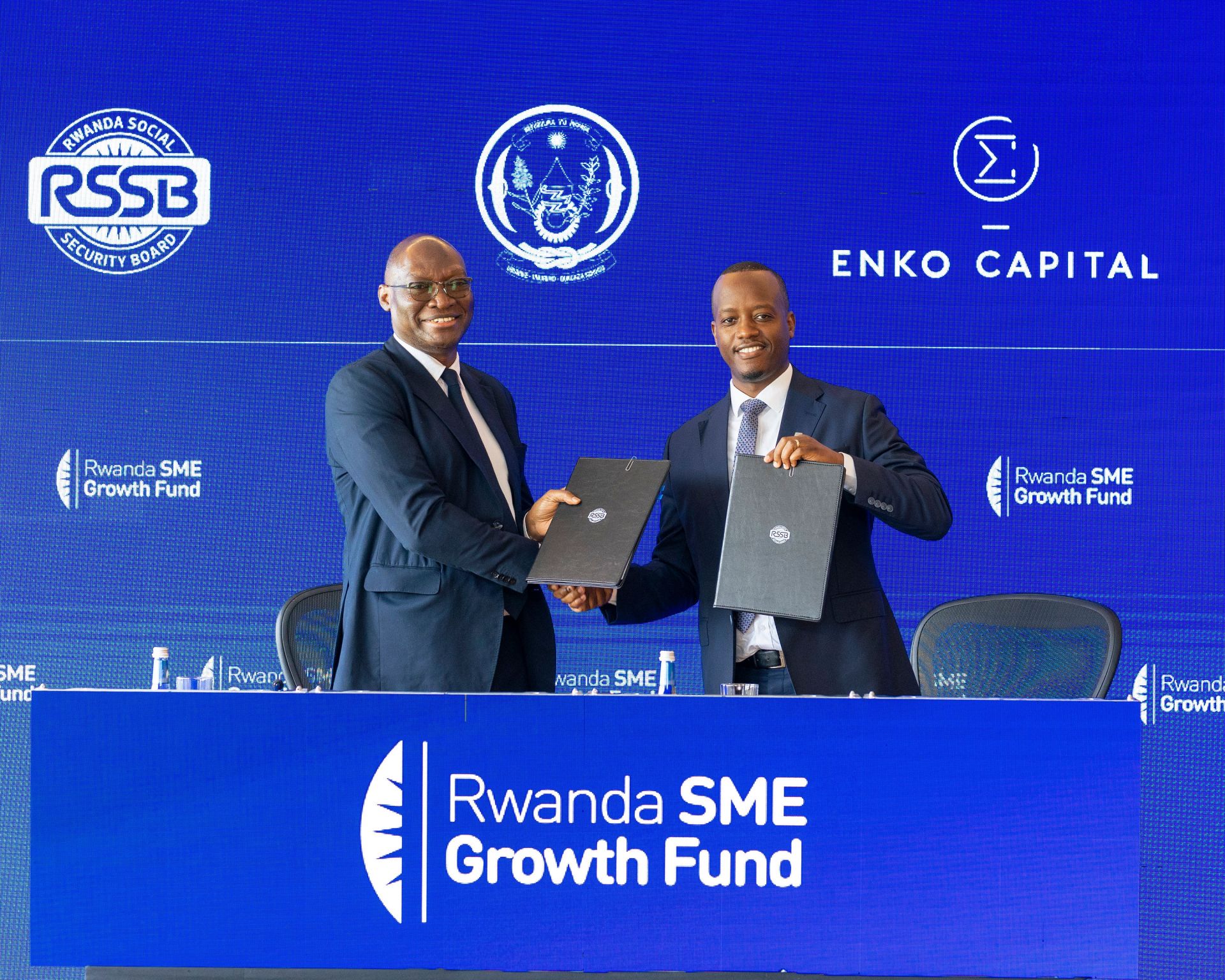
RSSB Anchors First Close of US$100 Million Rwanda SME Fund Managed by Enko Capital to Drive Economic Growth in Rwanda

Kigali, 28th April 2026 – The Rwanda Social Security Board (RSSB) alongside Enko Capital, has announced the initial closing of its Rwanda-focused SME Growth Fund, with a commitment of US$30 (RWF equivalent). The Fund, which aims to achieve a final close of US$ 100 million, will be managed by Enko Capital, an alternative asset manager focused on Africa with US$1.6 billion in assets under management (AUM), through its subsidiary in Rwanda.

This Fund is designed to offer long-term, flexible growth capital in local currency to small and medium-sized enterprises (SMEs). SMEs play a crucial role in Rwanda’s economy, representing over 90% to 97% of all businesses, contributing 55% to the GDP, and providing over 60% of total employment. Among SME owners, 68% seek loans, with 46 % borrowing from informal institutions, 22% from formal institutions, and only 10% from banks. Furthermore, 82% of MSMEs’ output is sold within the district of production, while 16% is distributed throughout the country, and merely 2% is exported. The Fund’s objective is to promote growth across various business sectors and to stimulate regional or broader export of goods and services originating from Rwanda.

These SMEs, which include numerous businesses owned by youth and women, play a critical role in driving job creation, supporting enterprise growth, and contributing to broader economic development. However, they face challenges in obtaining financing due to high collateral demands, which can reach up to five times the amount of their borrowing. However, access to appropriately structured, growth-oriented financing remains limited, underscoring the Fund’s investment thesis.

RSSB recognizes that constraints facing SMEs extend beyond access to finance, with underlying structural constraints often limiting their ability to access and effectively deploy capital. Therefore, enhancing the capabilities of SMEs by providing training in corporate governance, product development and diversification, aimed at improving their competitiveness, is key to the success of the Fund. Consequently, the Fund strategy incorporates a Technical Assistance (TA) component to aid businesses both before and after investment.

The TA facility, seeded with US$3 million by RSSB, will be structured as a separate vehicle aligned with the Fund.  This structure will leverage the expertise and networks of the Fund team and TA partners, with the objective of strengthening the SME ecosystem. As a leading institutional investor, RSSB is committed to advancing private sector-led economic transformation. The SME Fund is part of a broader strategy that includes pension reforms and efforts to mobilize capital and expand investment to support economic development.

FSD Africa has played a crucial role in the successful structuring and implementation of this strategy, providing support to RSSB throughout this process. Additionally, they are engaged in structuring a potential guarantee facility to the project to promote and mitigate risks associated with SME investments.

Regis Rugemanshuro, Chief Executive Officer at Rwanda Social Security Board said:

Rwanda has set ambitious targets to become a High-Income Nation by 2050. RSSB is fully committed to supporting the realization of this vision by aligning our capital allocation strategies to the key pillars and priority sectors in the Vision 2050 blueprint. With the National Strategy for Transformation (NST2), a five-year government program with a central focus on private sector-led growth currently under implementation, the Rwanda SME Growth Fund is a timely initiative which will support the Economic Transformation Pillar. The SME Fund also presents some significant firsts by a public pension fund in the region cementing RSSB’s innovative position. These include: (i) the first public pension-fund led initiative focused exclusively on SME financing; (ii)the first permanent capital vehicle anchored by a pension fund and (iii)the first time that a pension fund is dedicating a Technical assistance (TA) facility in a fund. Together, the investment capital and Technical Assistance facility address both financing and capability gaps, enabling SMEs for growth and scale.

Alain Nkontchou, Managing Partner of Enko Capital, added:

We at Enko believe that African development will come from African capital which is why the launch of this fund is such a pivotal moment for us. We feel privileged to collaborate with the RSSB to unlock private sector capital for private sector development in Rwanda. Through the SME Growth Fund, Enko demonstrates its commitment to channelling longer tenor and flexible funding to Rwandan businesses for growth and job creation.

Dr Evans Osano, Chief Financial Markets Officer at FSD Africa said:

At FSD Africa, we work to unlock longer-term, risk‑tolerant domestic capital into the real economy to accelerate sustainable economic growth—by enabling SMEs to invest, create jobs and raise productivity. The Rwanda SME Growth Fund is a strong example of this approach in action: it brings domestic institutional capital to the table, offers patient local‑currency financing, and pairs it with technical assistance so that promising businesses can strengthen governance and execution as they scale.


Notes to Editors

Media contacts

  1. At ENKO Capital, please contact
  2. At RSSB, please contact, Regis Rugemanshuro on email address, rugemanshuro@rssb.rw
  3. At FSD Africa, please contact, Kaara Wainaina on email address, kaara@fsdafrica.org