News Type: News

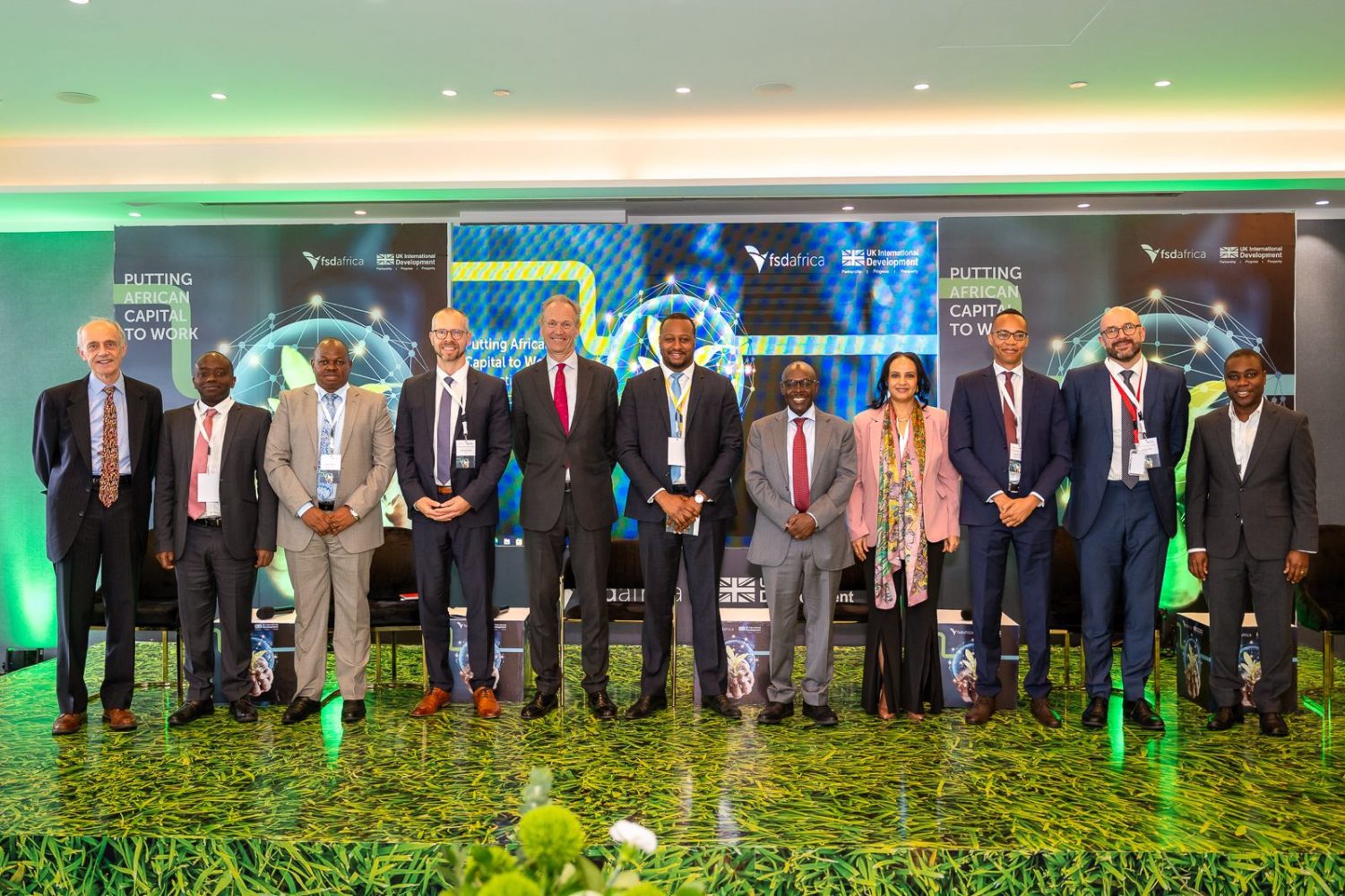
FSDAi Invests in Ci-Gaba Fund, Supporting First Close of the USD 75 Million Fund to Unlock Ghanaian Pension Capital for Private Markets

FSDAi Invests in Ci-Gaba Fund, Supporting First Close of the USD 75 Million Fund to Unlock Ghanaian Pension Capital for Private Markets

Nairobi, 22 January 2026: FSD Africa Investments (FSDAi), a UK-backed specialist financial sector investor, has announced a USD 7.5 million investment in the Ci-Gaba (Progress) Fund, a Ghanaian-domiciled fund of funds designed to mobilise pension capital into private equity and private debt investments across Ghana and West Africa.

The investment supports Ci-Gaba’s first close of its USD 75 million fund and marks a major milestone for Ghana’s first private fund of funds focused on domestic capital mobilisation at scale. The first close attracted strong participation from Ghanaian pension funds, with commitments exceeding its USD 30 million target, demonstrating growing confidence in locally structured private market investment vehicles.

“We’ve reached this first close in record time, with more than two-thirds anchored by local pension funds,” said AnneMarie Chidzero, Chief Investment Officer at FSDAi– “Drawing on FSD Africa’s market-building work in Ghana, we have co-created and underwritten an investment vehicle that aligns with regulatory requirements and governance standards, enabling pension funds to invest confidently in alternative assets.”

Ci-Gaba’s fund will strengthen Ghana’s financial ecosystem by investing in both experienced and emerging fund managers operating across high-growth sectors including financial services, healthcare, agriculture, clean energy, education and technology. By channelling domestic institutional capital into small and growing businesses, Ci-Gaba is expected to support up to 25,000 jobs and contribute to enterprise growth, while helping diversify pension portfolios beyond traditional government securities.

“This marks an important step forward for the PE/VC ecosystem in Ghana and Africa at large. FSDAi’s investment is a strong vote of confidence in Ci-Gaba’s role in unlocking local capital, mobilising pension funds, and building a stronger, more inclusive market,” said Hamdiya Ismaila, CEO of Savannah Impact Advisory. “The investment process has strengthened our structure, aligned us with key stakeholder interests, especially pension funds and positioned us for scale. This is true catalytic capital, and we are excited about the opportunities and impact this partnership will unlock across the region.”

His Excellency, Dr Christian Rogg, British High Commissioner to Ghana said, “The UK is proud of our support to Ci-Gaba, which embodies a commitment to inclusive economic development that will drive private investment across West Africa. This is a clear example of putting the UK’s new Approach to Africa into action – one that moves the UK from donor to investor, built on respect, shared interests and equal partnership.”


For more information/queries on FSD Africa Investments and Ci-Gaba please contact:
FSD Africa Investments
Joyce Waihiga, Manager, Communications, FSDAi
joyce@fsdafrica.org

Ci Gaba
Dinah Hammond-Afful, Investment Manager, Savannah Impact Advisory
dhammondafful@siaghana.com


About FSDA Investments
FSD Africa Investments (FSDAi) is a specialist financial sector investor established by FSD Africa and the UK’s Foreign Commonwealth and Development Office (FCDO) to strengthen and deepen Africa’s financial markets. We bridge critical funding gaps by investing patient, risk-bearing capital in novel financial instruments, facilities, and intermediaries. Our strategic investments take on early risk, test new models and catalyse capital from others to gradually transition the financial sector to finance Africa’s economic resilience and growth. To date, FSDAi, backed by FCDO investment, has committed £150 million to 27 investments, and successfully exited two investments in the region, one at 2x money.

For more information, visit https://fsdafrica.org/fsdai-investments/


About Ci Gaba
Ci-Gaba (Progress) Fund of Funds, is a Ghana-based blended finance vehicle designed to mobilise domestic institutional capital—particularly pension funds—into SME and early- stage business finance. Ci-Gaba addresses key barriers that have historically limited local investor participation, including risk–return mismatches, currency risk, and governance constraints. The fund invests in a portfolio of experienced and emerging fund managers across priority sectors, while pairing capital with technical assistance to strengthen fund managers, SMEs, and pension trustees. By using catalytic capital to crowd in local investors, Ci-Gaba aims to demonstrate the viability of early-stage and SME finance as an investable asset class and to serve as a replicable model for domestic capital mobilisation in the region. The Fund is managed by Savannah Impact Advisory, a pan-African investment management firm specializing in fund structuring, VC/PE fund management, and impact investing. Ci-Gaba is sponsored by Impact Investing Ghana, the National Advisory Board (NAB) for the Global Steering Group for Impact Investment (GSG).

 

FSD Africa Launches $30 Million Inclusive Insurtech Fund to Close Africa’s Protection Gap

FSD Africa Announces $30million Venture Fund at BimaLab Africa Insurtech Summit 2025 To Accelerate Insurance Innovation Across the Continent

  • Africa faces major protection gap with around 80% of economic losses from natural disasters going uninsured in 2022, up from 58% in 2021.
  • The BimaLab Accelerator Programme has supported 135 startups across 28 African countries to date
  • New Regulatory Sandbox Eligibility Assessment Toolkit also launched at the Summit

Nairobi, Kenya, 26th November 2025: FSD Africa today announced a new $25 – 30 million Inclusive Insurtech Investment Fund (3iF), at the BimaLab Africa Insurtech Summit held on 26–27 November in Nairobi to open the way for more private investment in the insurance technology (insurtech) sector, accelerate insurance innovation and close the continent’s protection gap.

3iF is a pan-African venture capital fund targeting early-stage insurtech startups that expand insurance access, affordability, and awareness – particularly in climate resilience, health, and financial inclusion among underserved populations. Building on the BimaLab Accelerator Programme, which has supported over 135 startups in 28 countries to date, 3iF aims to bridge the financing gap that prevents promising tech-enabled solutions from scaling and addressing Africa’s substantial insurance protection gap.

Expected to launch in January 2026, the Fund’s blended structure combines junior equity from catalytic investors, anchored by FSD Africa Investments (FSDAi), FSD Africa’s investment arm, with senior equity from commercial and strategic investors led by Zep Re. 3iF will provide investment growth capital to successful graduates of BimaLab as well as other promising ventures, complementing the BimaLab ecosystem.

Speaking ahead of the BimaLab Africa Insurtech Summit, Kelvin Massingham, Director, Adaptation and Resilience, FSD Africa, commented: ““The launch of the 3i Fund opens an exciting new chapter for insurance innovation in Africa. By investing in the next generation of insurtech pioneers, we are unlocking opportunities to expand access, affordability, and resilience for millions across the continent. Our goal is to empower visionary startups to transform how insurance works for everyone—driving inclusive growth, climate resilience, and financial security for Africa’s future.”.

A new Regulatory Sandbox Eligibility Assessment Toolkit was also launched at the BimaLab Insurtech Accelerator Summit, a practical resource designed to help African insurance regulators to quantify the level of impact new insurtech innovations will have on their economies, supporting further investment, testing and development of impactful innovations within regulatory sandboxes.

The toolkit is designed to streamline how regulators evaluate emerging insurtech models, lower barriers for startups, and ultimately expand access to affordable risk protection, particularly for informal workers, rural communities, smallholder farmers, and low-income households.

Commenting on the new toolkit, Godfrey Kiptum, MBS, CEO and Commissioner, Insurance Regulatory Authority (IRA), Kenya, said:

“By strengthening the regulatory environment, we are laying the foundation for a more resilient and inclusive insurance ecosystem for Africa’s next decade. Building regulatory readiness for innovation is key, and BimaLab’s new toolkit will be an invaluable resource not only for us here in Kenya, but for African regulators across the continent.”


Driving Inclusive Insurance Across Africa

Africa faces a major protection gap, with insurance penetration below 3% in most countries. This leaves individuals, small businesses, and vulnerable communities exposed to risks they cannot recover from quickly. Around 80% of economic losses from natural disasters went uninsured in 2022, up from 58% in 2021.

Launched in Kenya in July 2020 by the IRA and FSD Africa, the BimaLab Accelerator Programme has become Africa’s leading insurance innovation platform. It aims to harness technology innovations that increase insurance penetration among low-income and underserved communities and is a key component of FSD Africa’s mission to build resilient, inclusive financial markets across the continent of Africa. BimaLab was created to foster innovation and accelerate the development of insurtech product development and distribution, helping startups to scale and develop market-ready solutions, and supporting regulatory engagement and inclusivity throughout the insurance sector.

Elias Omondi, Principal of Innovation for Resilience adds;

Africa’s protection gap is not just a market failure, it’s a capacity and capital gap. BimaLab Africa Insurtech Accelerator combines focused technical support with catalytic funding, we enable insurtechs to de-risk innovation, scale inclusive products and reach the millions who remain unprotected.”

The 2-day BimaLab Africa Insurtech Summit 2025 held in Nairobi, brought together insurers, regulators, investors, innovators, tech partners, and development leaders driving the transformation of insurance across Africa, under the theme “Insuring Africa’s Future: Innovation, Inclusion and Investment”.

Ted Pantone, CEO and Co-founder of Turaco, a Kenyan micro-insurance company showcasing its innovative insurance products at the Summit, commented: “Our vision when we launched in 2019 was to insure 1 billion people across the continent, and already, with BimaLab’s ongoing support, we have successfully expanded to Uganda, Nigeria and Ghana, and are now insuring over 1 million customers and processing over 20,000 claims. We are proof that this programme really works.”


Notes to Editors

For more information, please contact:

Kaara Wainana, Senior Manager Advocacy, Campaigns & Partnerships, FSD Africa

Kaara@fsdafrica.org


About the BimaLab Insurtech Accelerator

BimaLab, backed by FSD Africa and the Swiss Re Foundation, is an innovation accelerator focused on strengthening Africa’s insurtech ecosystem. It supports early- to growth-stage startups through mentorship, technical assistance, partnerships, investor readiness, and regulatory engagement. Its core mission is to increase insurance penetration among underserved communities by fostering the development and scaling of inclusive, climate-resilient insurance products while integrating innovation into regulatory frameworks.

Since its launch in 2020, BimaLab has supported over 135 startups in 28 African countries, facilitating the creation of 150+ insurance solutions that now reach over 6 million African customers. The program has collaborated with 15 insurance regulatory authorities supporting the development of 7 insurance regulatory sandboxes.

BimaLab’s annual innovation summits and its alumni pipeline have further helped drive policy reform and attract global investment, positioning it as a leading force in insurance innovation across the continent.

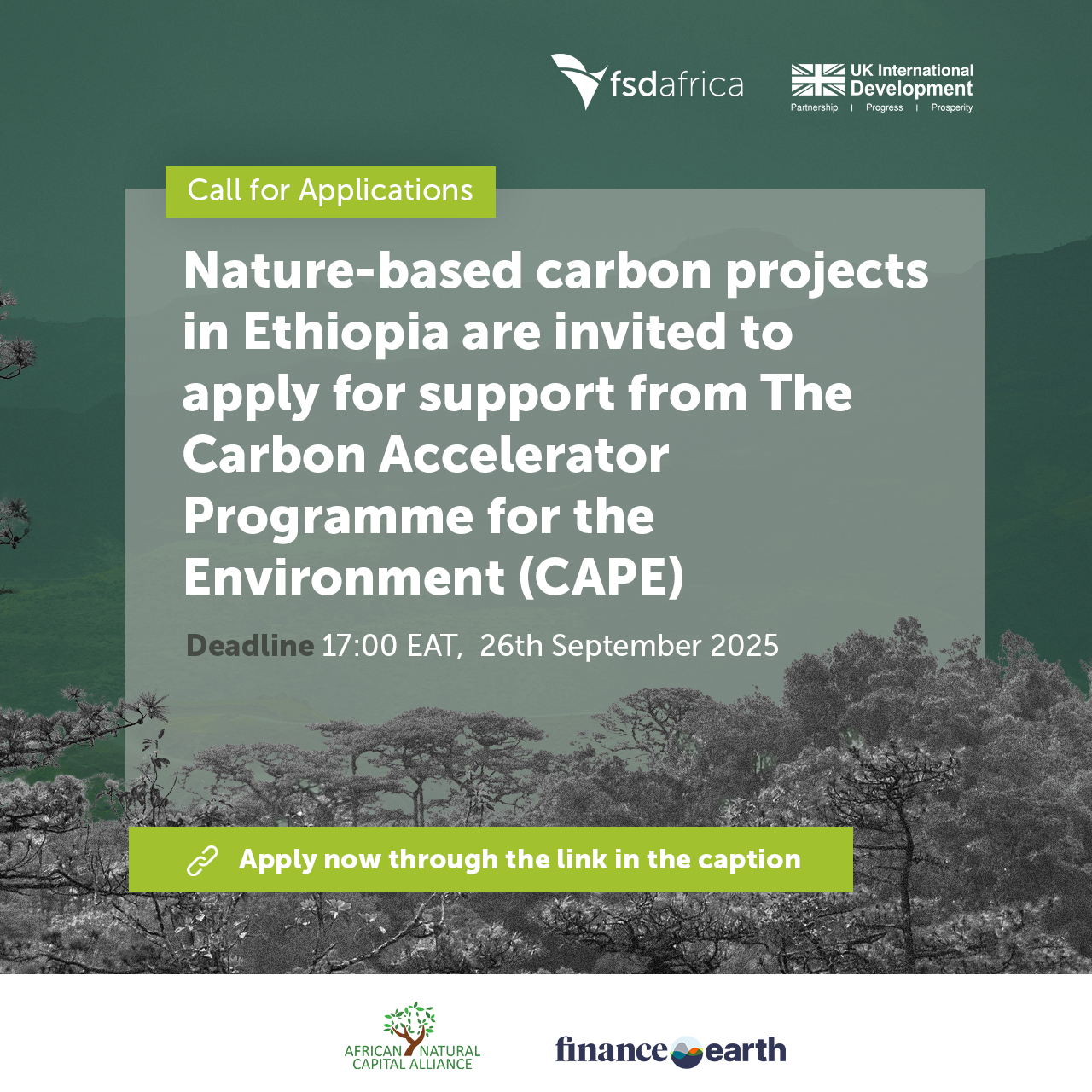
Nature-based carbon projects in Ethiopia invited to apply for support from The Carbon Accelerator Programme for the Environment (CAPE)

CALL FOR APPLICATIONS

Addis Ababa, Ethiopia, 9 September 2025: The Carbon Accelerator Programme for the Environment (CAPE), in partnership with FCDO Ethiopia, is pleased to announce that it is seeking applications from impactful nature-based carbon and biodiversity projects in Ethiopia for its next cohort.

Local nature-based carbon project developers are invited to submit an Expression of Interest (EOI) via this link: https://forms.gle/Yq9eQ4Pc2HyCfNLB8 no later than 17:00 EAT on Friday 26th September.

CAPE is an initiative being delivered by FSD Africa in partnership with Finance Earth and the African Natural Capital Alliance (ANCA) to mobilise investment into projects across Africa to cut carbon emissions and protect biodiversity while also benefitting local communities.

Who is eligible for this cohort?

  • Location: Projects located in Ethiopia
  • Project Type: Nature-based carbon projects with strong biodiversity and local community impact potential
  • Development stage: We encourage projects at any stage of their development journey to apply

CAPE provides project development support and transaction advisory services to accelerate high-integrity, nature-based projects towards investment.

The first cohort of CAPE is already underway, with support being provided to four projects in Kenya, Tanzania, Zambia and Nigeria.

CAPE is particularly interested in projects that:

  • Have a clear pathway to financial viability
  • Are considering biodiversity and social impact beyond carbon standard requirement (e.g., Verra CCB)
  • Intend to use a robust standard for validation and verification
  • Can be scaled and/or replicated

By applying, you wlll be considered for tailored support from the CAPE team to strengthen your project’s technical, financial, and impact foundations, and prepare it for investment.

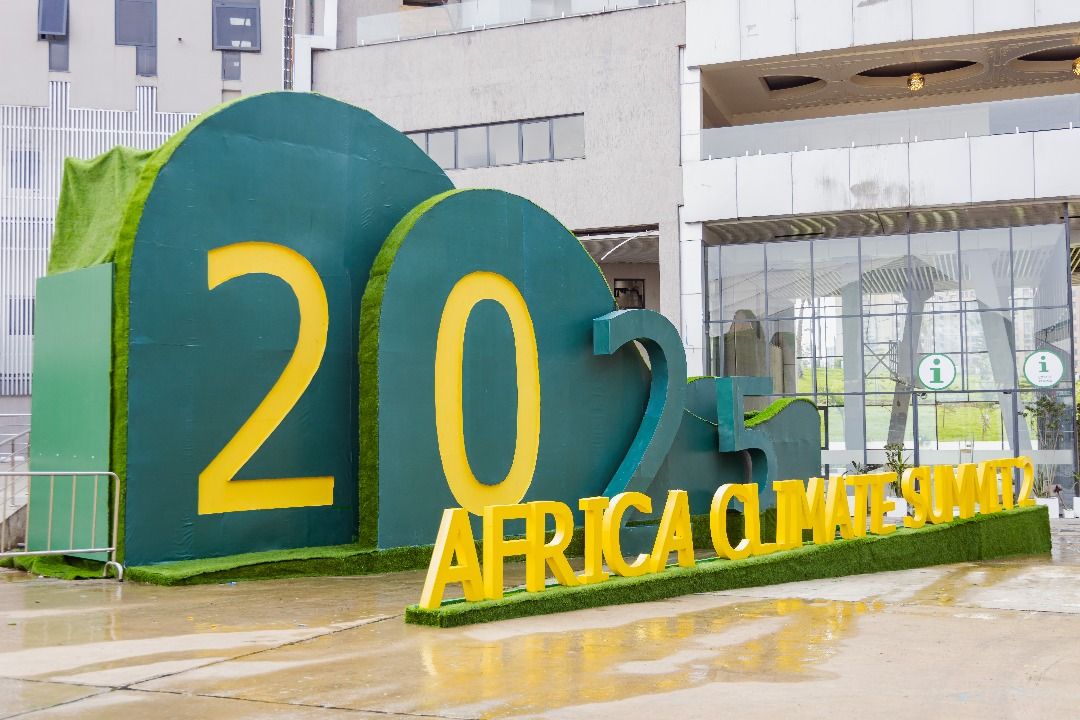
FSD Africa at ACS 2

It is two years since African leaders gathered in Nairobi for the first African Climate Summit. The resulting pledges, amounting to $26bn, were strong evidence of a real commitment to Africa-led climate solutions. But even more important was the summit’s assertion of African self-determination and specifically the need to mobilise Africa’s domestic private capital in the continent’s climate efforts.

As leaders gather again for the second Africa Climate Summit (ACS2) in Addis Ababa, the world looks very different. There is huge global uncertainty, and the economic headwinds are even stronger. Never has the vision set out at that first summit, and in the subsequent Nairobi Declaration, of a green path to economic growth that delivers both prosperity and environmental benefits, been more relevant and more important.

This is why we wholeheartedly support the aims of ACS2 and hope to see emerging from it an even greater consensus around the value of investing in climate. The summit is also a chance to set out even more compellingly the argument that investing in climate and economic growth are not mutually exclusive but rather complementary and to make the case for greater private sector, particularly domestic, investment in the continent.

The recent cuts to overseas aid have only added to the urgency for the continent to become more economically independent and resilient. That will require stronger domestic financial markets and more long-term financing in local currency to make growth less reliant on international finance, including aid, and more resilient to economic shocks, not least those resulting from climate change.

Indeed, our belief that a green path to growth will deliver a stronger and more resilient economy and that mobilising domestic private capital will be key to this, are central to FSD Africa’s mission to make finance work for Africa’s future. This approach is embodied in our new strategy which is based around three key imperatives: increasing economic opportunity, protecting the environment and increasing resilience to climate and economic shocks. We have an ambitious target to mobilise and catalyse £10bn of private capital for sustainable development, 84% of it in local currency.

But the strategy also reflects the immediate problems facing many countries in Africa with a focus on sustainable debt, more adaptation finance, job creation and the need for more climate finance to power the energy transition – all areas we will be discussing across the more than half a dozen events we are hosting or co-hosting at ACS2.

Above all this summit is an opportunity to show how Africa can be at the forefront of finding solutions to the twin threats of climate change and nature loss by highlighting proven Africa-led climate solutions and the continent’s bold efforts to re-green its landscapes. In that spirit, we and our partners will also be highlighting examples of the extraordinary financial innovation that is taking place across different parts of the financial system and presenting some of the transactions that have resulted.

Please join us at ACS II in Addis Ababa from 08th to 10th September to discuss these issues

FSD Africa invests in Holocene, a Climate Tech Start-up Venture Capital Provider

FSD Africa’s Early-Stage Finance Pillar is investing US$150,000 in Holocene Ventures Fund (HVF), a climate tech start-up venture capital provider that seeks to raise an initial US$2 million to invest in 12 high impact climate businesses. HVF I will provide the track record and pipeline to raise a $30M pre-seed to series A climate tech fund in 2025.  The investment by FSD Africa comes alongside investments from other angel investors across Europe, USA and Africa.

Mary Kashangaki, Assistant Manager, Digital Innovations, FSD Africa said:

We need to think differently about how we finance Africa’s green transition. FSD Africa’s investment in Holocene offers an exciting opportunity to work with experts to build a new kind of venture capital fund that is flexible enough to meet the unique financing needs of early-stage climate ventures.

Holocene, based out of South Africa, has created an investment platform for climate conscious individual and institutional investors seeking climate positivity and venture capital returns. Holocene Venture Fund (HVF) will provide innovative pre-seed financing, combining both cash and venture building services, to climate tech start-ups, recognizing the need for diverse financial solutions to scale climate businesses. 

Josh Romisher, CEO, Holocene commented:

Africa is incredibly important in the global climate conversation. Holocene is very eager to partner with innovative investors such as FSD to prove African climate tech can deliver measurable climate impact and VC returns.

To date, Holocene has made 6 investments from its permanent capital vehicle as well as another 4 investments from HVF I. It aims to make 5 investments per year infusing them with a catalytic blend of financial & human capital with a focus on commercial outcomes. With concerted effort by diverse players to accelerate green growth in Africa, specialist climate focused investment funds like Holocene are expected to enhance capital flows and innovation in new climate technology led solutions across Africa.


Geothermal Exploration Risk Underwriting Facility

The Insurance Regulatory Authority of Kenya, Ministry of Energy and Petroleum, State Department of Industrialisation and East African Insurance Sector (ICEA Lion, Kenya Re, Old Mutual, GA and Mayfair) have today announced a geothermal risk underwriting facility, the first of its kind in Africa.

The facility will underwrite up to US$ 2 million in early project development with amounts exceeding the amount being externalized i.e. covered by external re-insurance. The product is anticipated to accelerate and attract greater investments in green energy projects in Kenya and the region by mitigating the financial risk associated with geothermal projects. The development of the facility was supported by FSD Africa in collaboration with partners Parhelion Underwriting, and Kenbright.

Speaking regarding the announcement, IRA Commissioner of Insurance Godfrey Kiptum lauded the facility as one that will deepen Kenya’s green energy credentials by spurring investments in the geothermal subsector, a form of energy in which the region holds great potential. “The insurance sector plays a critical role in the social-economic development of any nation. I am proud that insurance sector has kept innovation alive with products such as the geothermal risk underwriting facility, that enable greater private sector investment in the geothermal energy. It is also gratifying to note that this product will enhance green energy and sustainability of our economy” said Kiptum.

On his part Principal Secretary, State Department of Energy Alex Wachira noted that insurance cover for the risky upstream geothermal exploration work is a great enabler for the country to exploit her vast geothermal potential estimated at 10,000MW “The huge potential of geothermal energy makes it not only an energy source but also a driver of economic growth and sustainable development. Our country is endowed with vast geothermal resources, and great progress has been made in tapping into this clean power. However, for us to fill the energy gaps, we need collaboration and investment between the public and private sectors” explained the PS.

The de-risking facility announced will cover early-stage development drilling risks for investors in geothermal projects. This facility represents a critical step in creating a more favourable investment environment by mitigating the financial risks associated with these high-potential but high-risk projects. FSD Africa Risk& Resilience Director Kelvin Massingham has hailed the insurance sector for innovation and leading the way in supporting green energy transition in Africa. “At FSD Africa we are committed to make finance work for Africa and have finance flow into green investments for a sustainable future. We are proud to have worked with the State Departments of Energy and Industrialization as well as the insurance regulator and the private sector in developing this facility that will de-risk upstream geotherm resource prospecting, enabling greater investments in green energy” noted Massignham.

This underwriting facility not only marks a significant milestone in Africa’s journey towards sustainable energy but also sets a precedent for future initiatives aimed at de-risking and supporting other high-impact sectors across the continent. The prospect for the continent to leapfrog the energy transition is possible especially with solid backing from key stakeholders and a clear path forward. The promise of a greener,more sustainable Africa is within reach.

To drill a geothermal well requires on average US$ 5 million, with significant risk of missing geothermal resource after drilling. Most commercial debt is shy to cover this phase, yet its critical and quite upfront in development of geothermal energy. Kenya is already a leader in geothermal electricity, with a total installed capacity of 988.7 MW contributing 47% of the power on the grid. This places the country at rank sixth globally and first in Africa in terms of geothermal power development. However, the country still holds massive geothermal potential, estimated at 10,000 MW.

FSD Africa’s support of the geothermal underwriting facility is part of a wider geothermal energy programme that includes, among other things, technical capacity development and facilitation, advocacy and technical assistance, fundraising, and inclusive economic growth.

Mobilising Domestic Capital to Drive Climate-positive Growth

TOP LINES: WHY IT MATTERS

Action Plan To Unlock $17 Trillion In Emerging Markets For Climate-Positive Growth

Only 5% Of Development Finance Is In Local Currency; Scaling Targeted Solutions To Mobilise Domestic Capital Could Halve Annual Climate Finance Gap

President Biden and Kenya’s President William Ruto met in the lead-up to the AfDB Annual Meetings – announcing the “Nairobi-Washington Vision” as a call to action to the international community to provide coordinated packages of financing support on better terms, to provide forms of debt relief and to crowd in private investment to address global challenges like climate action. The Vision describes expanded support to developing countries through efforts to reform the MDBs and unlock new lending and IDA funding. The Vision’s support packages will miss a major opportunity if they don’t put mobilising domestic capital at their heart – including the $2.3 trillion in private AUM on the African continent.

THE ANALYSIS: WHAT DOES THE REPORT SAY?

Some of the best climate investment opportunities are in emerging markets and developing economies (EMDEs) – especially in clean energy, low carbon transport, regenerative agriculture and green manufacturing.

Most of these opportunities can be financed by the private sector – yet there is still a $1.8 trillion financing gap each year for climate in EMDEs.

Most of the capital currently financing climate activities in EMDEs comes from international sources, with real barriers to scale. Meanwhile, less than 1% comes from the domestic private sector

A new report from Systemiq’s Blended Finance Taskforce and FSD Africa shows that scaling domestic investment for climate will be critical to tackle the financing gap. It estimates that there is around $17 trillion of domestic private capital under management in EMDEs, which could triple to $45 trillion by 2040.

At this growth rate, mobilising just 20% of this domestic capital could halve the annual $1.8 trillion climate finance gap in EMDEs. This could create a virtuous cycle of growth, helping create jobs, build economic resilience, deepen local financial markets and tackle debt burdens. But this will not be easy. Today, only a fraction of this $17 trillion goes into climate action: 80% of clean energy is financed by the private sector in developed countries; in Africa it is less than 12% and the proportion of domestic private capital is even lower.

The report lays out a plan for coordinated action to help mobilise domestic capital for climate action in EMDEs. It calls on multilateral development banks, regulators, governments and the private sector to do three things: First, grow the pipeline of climate-positive assets – by laying out national investment plans for climate positive growth (as has been done by Brazil with its Ecological Transformation Plan, in Namibia with its green hydrogen

economy strategy and in Bangladesh with its Climate Prosperity Plan) and building capacity with domestic investors around climate-relevant asset classes, especially infrastructure.

Second, deepen financial markets – focusing on increasing size and liquidity and ensuring the enabling environment is supportive is key. Often, geography, liquidity or asset class mandates prevent regional investment by domestic investors.

Third, design and deploy catalytic capital more effectively – including from multilateral development banks and donors. Less than 5% of development finance is in local currency and blended finance offerings which are designed to unlock private capital by tackling challenges like technology or counterparty risk are mostly focused on international investors. Scaling local currency offerings, replicating what is already working (e.g. local currency guarantee products offered by GuarantCo companies) and ensuring international investors are more actively targeting solutions for domestic pension funds can immediately make an outsized difference. African financial institutions are preparing to drive this change. Within Kenya, President Ruto’s focus on climate-positive growth and the mobilisation of institutional capital for infrastructure through the Kenya Pension Fund Investment Consortium (KEPFIC) are bright examples. Across the continent, the African Development Bank is driving progress in this area through initiatives such as the Climate Action Window and the Climate for Development Special Fund. Other stakeholders, such as FSD Africa, the PIDG Group, and Africa50, are making strides in unlocking domestic capital through targeted de-risking and technical assistance instruments. However, the researchers heard that many African pension funds that want to invest more locally find their options limited.

Scaling these efforts will be essential to capture Africa’s climate investment opportunities – and address the continent’s need for climate adaptation and mitigation. Mobilising domestic capital for climate-positive growth will give Africa’s economies greater autonomy over their sustainable future.

THE CONTEXT: THE REPORT AND THE AFDB MEETINGS

International financial system reform will be a priority in Nairobi, with debt sustainability, access to concessional financing, and improving risk ratings of countries all on the table. The report demonstrates how national action plans can remove systemic barriers within national financial systems and reduce reliance on external debt through increased domestic capital mobilisation. And it shows how international catalytic finance stakeholders can act now to alleviate these barriers by scaling local currency financing, which was a mere 5% of official development financing in 2022.

QUOTES Katherine Stodulka, Chair of the Blended Finance Taskforce, said:

“Mobilising 20% of the growing pools of domestic capital can create a ‘positive tipping point’ for long-lasting sustainable development and growth in emerging markets”. “This is a win-win – and the international community must prioritise domestic capital mobilisation in all its discussions around scaling blended finance, debt sustainability and MDB reform”

Evans Osano, Director of Capital Markets at FSD Africa, said:

“Change is already happening – we now need to move fast to replicate what is working to accelerate domestic investment in domestic climate assets. This report explains what different actors can do to make it happen.”

Pan African Fund Managers Association (PAFMA) Welcomes New Members in Ongoing Drive to Bolster Climate Finance in Africa

Nairobi, 30th May 2024 – The Pan African Fund Managers Association (PAFMA), an esteemed trade association dedicated to enhancing climate finance across the African continent, proudly announces the addition of new members to its esteemed roster. Since its landmark introduction at the Africa Climate Summit in 2023, PAFMA has rapidly grown, now boasting nine members representing 16 African countries and 231 fund managers, collectively overseeing assets under management (AUM) exceeding US$120 billion.

The new members are the Association of Moroccan Companies and Investment Funds (ASFIM), the Namibia Savings and Investment Association (NaSIA), the Association of Investment Managers of Zimbabwe (AIMZ) and the Association des Societes de Gestion et de Patrimoine (ASGOP) de l’UEMOA.

Africa stands at a critical juncture, facing monumental financing gaps to achieve its Sustainable Development Goals (SDGs) by 2030. With a staggering requirement of US$1.2 trillion, alongside an annual climate financing need nearing USD 300 billion, the imperative for mobilising significant capital for development priorities has never been more pressing.

PAFMA emerges as a beacon of hope in this landscape, spearheading efforts to bridge the chasm in climate finance through private sector initiatives. Central to its mission is the promotion of alternative investments, with a strategic emphasis on green finance, heralded as a catalyst for propelling diverse sectors of the economy forward. By championing these alternative avenues, PAFMA envisages stimulating job creation and bolstering income generation across the continent.

In its endeavor to realise these ambitions, PAFMA is committed to pioneering localised research initiatives and fostering a knowledge-sharing culture and capacity-building among fund managers. This initiative aims to empower fund managers to assess and engage in investment opportunities within regions and countries where their presence was previously limited.

Furthermore, PAFMA assumes the mantle of a proactive advocate, offering invaluable policy insights and championing the interests of its members in both regional and international forums. The association fosters a conducive environment for collaboration and networking among fund managers from diverse African landscapes, facilitating the exchange of ideas and best practices.

Simultaneously, as Africa witnesses a surge in domestic institutional capital, estimated between USD 1-1.4 trillion, PAFMA recognises the untapped potential of harnessing local institutional capital to bolster the continent’s development agenda. Unlocking this reservoir of private sector finance will complement constrained public finance, amplifying local currency financing and fortifying Africa’s journey towards sustainable development.

First East African sustainability bond lists on the London Stock Exchange

Original article by the impact investor

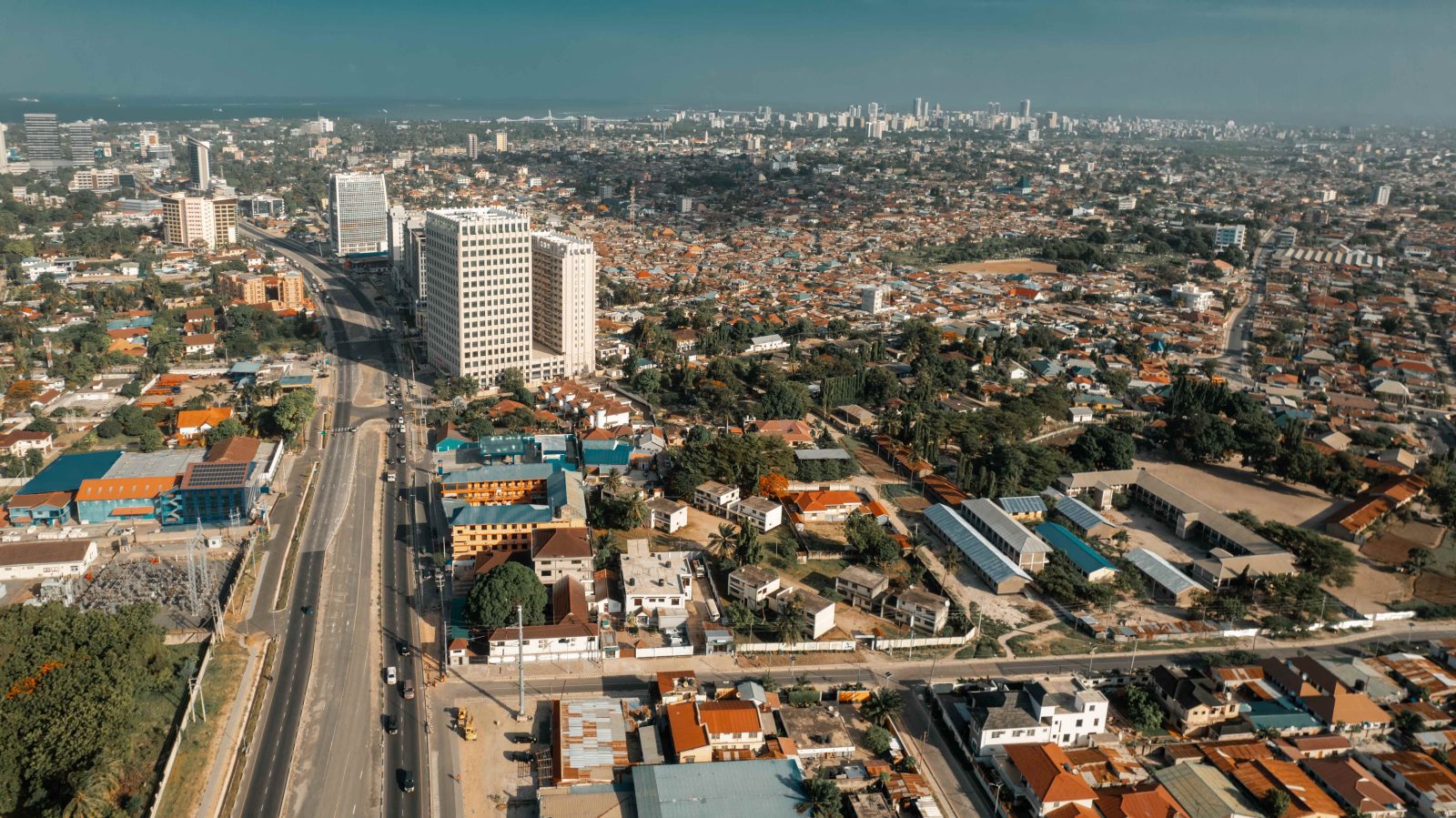
The NMB Jamii Bond, Tanzanian NMB Bank’s inaugural sustainability bond, has cross-listed on the London Stock Exchange to drive institutional capital into the country’s climate finance and development projects.

NMB Bank, a commercial bank in Tanzania, has announced the cross listing of its inaugural sustainability bond, the NMB Jamii Bond, on the London Stock Exchange.

The NMB Jamii Bond launched in both Tanzanian shillings and US dollars on the Dar es Salaam Stock Exchange in December last year, with anchor investments from development finance institutions British International Investment (BII) and the International Finance Corporation (IFC). It aims to increase investment into Tanzanian climate finance and development projects.

The dual-tranche bond raised a total of TZS 400bn (€142m) from both local and international investors in its initial offering, but it is the US dollar tranche that listed on the London stock market.

Ruth Zaipuna, chief executive of NMB, said: “Today’s listing of the Jamii Bond cements NMB Bank’s position as a trailblazer in sustainability within the African capital markets, and we are humbled that our commitment to ESG principles has garnered national and international recognition.

“This extraordinary success highlights the strong confidence Tanzanian and global investors have in NMB Bank’s soundness and commitment to sustainability across operations, business, community, and environment. It reaffirms our creditworthiness and reflects the desire of investors, both local and international, to seize the safe and impactful investment opportunities within Tanzania’s robust investment climate.”

BII, which as anchor investor committed €13.8m equivalent in Tanzanian shilling to the bond, confirmed it had no immediate plans to invest in the dollar tranche through the LSE.

Technical assistance

FSD Africa, a specialist development agency dedicated to mobilising sustainable financing for projects on the African continent, provided technical assistance for NMB Bank’s portfolio review, which was assessed by the not-for-profit organisation Climate Bonds Initiative (CBI), to ensure the bond’s alignment with various international organisations and their requirements and taxonomies.

Responding to questions from Impact Investor, Mark Napier, chief executive of FSD Africa, explained that the portfolio review was critical to identifying existing and pipeline green projects that an issuer could fund.

“A portfolio review assesses the nature of the projects to ensure that they align with the eligibility criteria for green projects.  It also enables an issuer to identify the funds required to meet the financing need for this portfolio,” he said.

FSD Africa also offered technical assistance towards securing Second Party Opinion (SPO) for NMB Bank’s sustainable finance framework, a document which explains to investors which eligible projects will be funded, how these projects are selected, how often impact will be reported and how the funds raised will be managed.

“A second party opinion is a required step under the International Capital Market Association  (ICMA) sustainability bond principles that assesses the bond framework. Investors rely on this second party opinion, undertaken by a third party, to make an informed decision as to whether to invest in a sustainable bond or not,” Napier explained.

Meeting Africa’s climate goals

Earlier this year, a UN economist predicted Africa would be $2.5trn short of the finance it needs to cope with climate change by 2030 despite, as a continent, contributing the least to greenhouse gas emissions.

Another estimate puts Africa’s climate finance needs at $277bn (€255bn) annually in order to meet its Nationally Determined Contributions, the climate action plans which detail countries’ commitments to achieving the global targets of the Paris Agreement.

The NMB listing is expected to contribute to plugging this gap, but private sector financing still has a long way to go with the 2022 Landscape of Climate Finance in Africa report, commissioned by FSD Africa and others,  revealing that it represented only 14% of all of Africa’s climate finance from 2019 to 2020, much lower than in other regions like South Asia (37%), East Asia and Pacific (39%), and Latin America & Caribbean (49%).

Napier said that during the period the report was undertaken, a key finding was that actual risk, perceived risk, and ticket sizes dissuaded private capital players, and that recommendations were made to address this.

“For instance, development partners could target higher leverage ratios through blended financing structures, with a particular focus on an enhanced role for private insurance and partial guarantees. They could also support capacity building both within domestic finance institutions and in developing a pipeline of investable opportunities.”

Information exchange platforms

He added that information exchange platforms and financial alliances such as the Glasgow Financial Alliance for Net Zero (GFANZ), a group of financial institutions formed during the COP26 climate conference in Glasgow, also had a role to play.

“Information exchange platforms could make existing transactions more visible to investors. International networks like GFANZ could support pipeline development and back transaction accelerators. They could also engage actively with domestic institutions to source and bundle viable, well-diligenced transactions,” he added.

The successful issuance of the dual-tranche Jamii Bonds on the Dar es Salaam Stock Exchange last year was said to highlight the growing capacity of local investors to meet the rising demand for climate and sustainability financing.


UWASA Tanga issues 53bn/- DSE listed water green bond

The first ever sub-national water infrastructure green bond in East Africa, valued at 53.12bn/- has been issued by Tanga Urban Water Supply and Sanitation Authority (Tanga UWASA), an autonomous water utility.

The transaction is expected to finance expansion and improvement of the water supply infrastructure and environmental conservation within Tanga city and nearby townships.

The 10 year project revenue bond is to be listed at the Dar es Salaam Stock Exchange (DSE), offering an attractive interest rate of 13.5 percent per annum to be paid semi-annually.

Key stakeholders involved in preparing the water green bond includes NBC Bank as the lead transaction advisor, FSD Africa a UK-backed Africa green financing framework, FIMCO (a financial investment management company that offers professional assistance to clients looking to navigate local financial markets) and Global Sovereign Advisory (GSA), a Rockefeller Foundation linked firm advising governments on strategic, economic and financial issues which took the role of financial and investment advisory, ALN (T) a commercial law firm that acted as legal advisor, Innovex (reporting accountant), Vertex International Securities (stockbroker) and ISS Corporate Solutions (second-party opinion provider).

Water minister Jumaa Aweso said at the event that the general public, investors, institutions and individuals are welcome to visit any NBC Bank branch or authorized brokers to invest in the scheme within the offer period of six weeks.

A key stakeholder, FSD Africa in the past two years obtained a £90m commitment from the British government to initiate a new phase of financial sector development.

It said at the time that the £90m commitment from UK Aid, part of a £320m package, would help initiate an ambitious new phase of financial sector development across the African continent.

The UK Aid package includes funding for eight existing local financial sector development programmes and to set up and scale new FSDs in high-priority markets.

There is also the African Guarantee Fund (AGF), a leader in promoting financing of small and medium-sized enterprises (SMEs) across Africa and FSD Africa, a pioneering development agency committed to reshaping Africa’s long-term financial landscape.

The two signed a strategic cooperation agreement aimed at propelling the growth of Green SMEs by providing critical financial support, technical assistance, and capacity building.

The government adopted the Alternative Project Financing (APF) strategy in 2021 owing to the need to broaden its domestic revenue base to finance various development initiatives including water, energy, healthcare, agriculture, and other productive infrastructure projects.

Vice President Dr Philip Mpango praised the financing of strategic revenue generating projects through a revenue bond such as the Tanga Bond, noting that it will reduce pressure on the government budget and provide an opportunity to focus on priority social initiatives that can’t be financed via commercial windows.

He said that it was vital for the Treasury Registrar to oversee public institutions, including those serving regions, municipalities or cities to explore ways to tap long term finance via corporate revenue or municipal bond issuance.

Hamad Chande, the Finance deputy minister, noted that the bond issuance was part of the government’s Alternative Project Financing strategy which needs to be used by more public entities to finance local development projects.

They should not rely on government grants, in the same manner as the private sector and corporate entities operating in the same market.

Mark Napier, the FSD Africa CEO said the successful launch of the Tanga UWASA Water Green Bond is testimony to the power of innovative financing in driving sustainable development in East Africa.

Read original article