News Type: Press release

RMB and INDLU launch R1bn blended finance programme to transform South African real estate

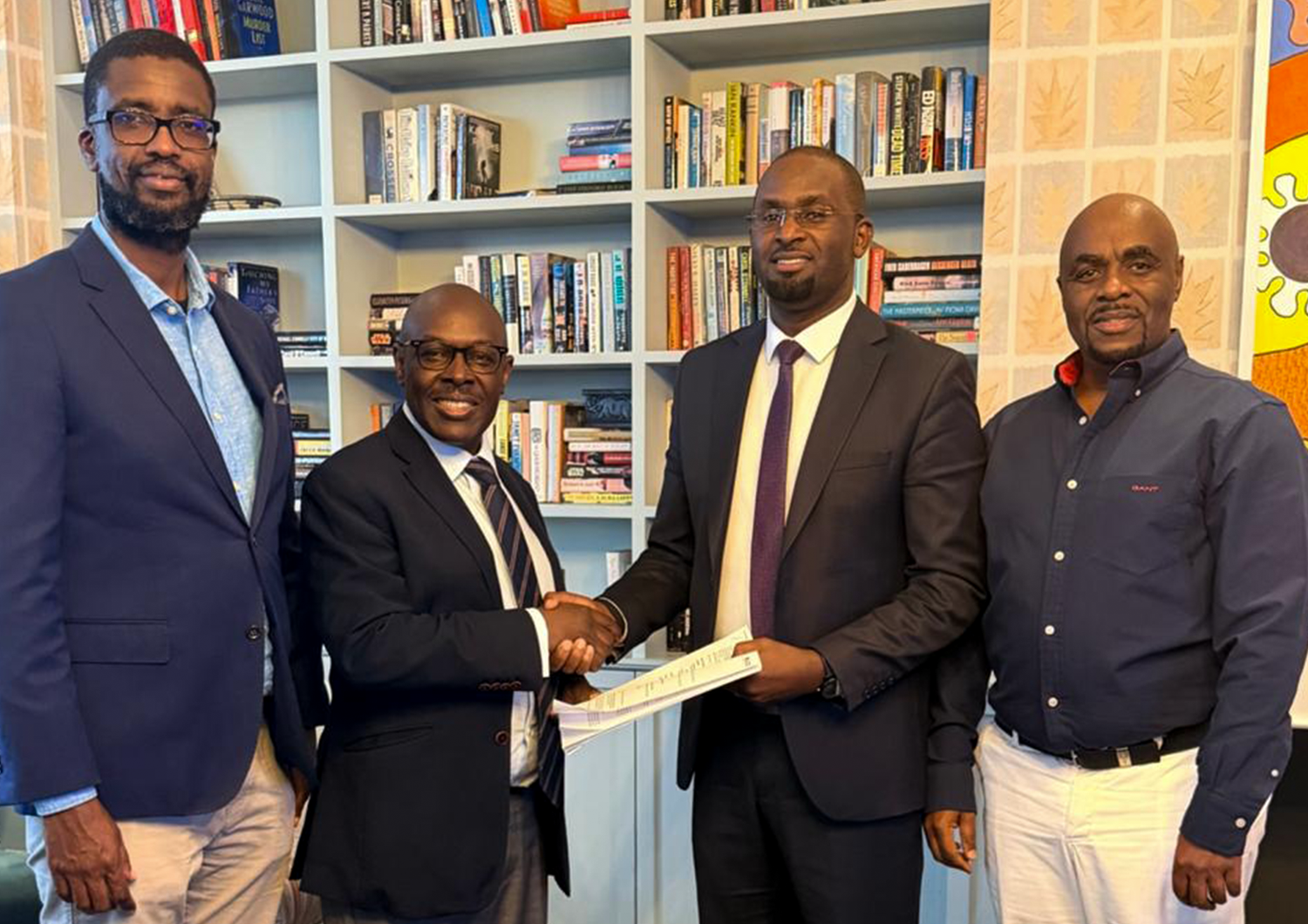
Rand Merchant Bank (RMB) and INDLU have announced the launch of a R1 billion Blended Finance Programme, to formalise and scale South Africa’s burgeoning affordable rental market. INDLU is a South African property financial technology company that empowers landowners to build, manage, and earn from high-quality rental housing. The programme aims to bridge the national housing gap—currently estimated at 2.3 million units—by providing sustainable, affordable credit to micro-developers who have historically been excluded from traditional banking sectors due to a perceived lack of formal collateral.

Alessandro Scalco of RMB sustainable finance said:

“The Indlu Blended Finance Programme represents a blueprint for how South African capital markets can drive large-scale, powerful social impact without compromising financial performance. This programme attracts capital to critical development areas like financial inclusion and affordable housing, empowering entrepreneurs to develop their own communities.”

RMB acted as the structurer and one of the lenders for the programme, utilising blended finance to support affordable housing. A key component of this structure was the catalytic funding provided by the FirstRand Foundation (FRF) and FSD Africa Investments (FSDAi), with FRF providing a R30 million concessional loan commitment to establish the construction warehouse facility and FSDAi acting as the anchor funder of this facility. FSDAi has also committed funding as co-funder of the catalytic mezzanine tranche in the securitisation. In addition, to FRF commitment, FNB have committed a sizeable R400m for the long-term financing of the programme.

Anne-Marie Chidzero, Chief Investment Officer of FSDAi said:

“Low-income affordable rental housing is one of Africa’s most overlooked, and most bankable, real-economy markets. With INDLU, we are using catalytic capital to do what FSDAi was built to do: anchor a new asset class, prove it to institutional investors, and create a replicable pathway that can finance dignified housing well beyond South Africa’s borders.”

This programme expands access to affordable housing finance for small-scale, primarily black and women property owners. By addressing early-stage construction and tenanting risk, FSDAi and FRF’s catalytic funding unlocks private capital and ensures cost benefits are passed directly to developers and communities.

Cobus Truter, CEO of INDLU said:

“Our bold ambition is to fundamentally change the landscape of informal settlements. By turning each tile in the urban mosaic into formalised, dignified infrastructure, we are building better African cities from the ground up. “The R1 billion deployment is expected to have a profound multiplier effect on the economy through significant job creation and social upliftment.”

To date, the model has already delivered over 2 200 high-quality rental units in areas such as Tembisa, Mamelodi, and Cosmo City, proving the commercial viability of the “backyard” real estate sector. While INDLU has successfully facilitated approximately R311 million in financing to date, the new platform is designed to meet a massive surge in demand.

INDLU has identified an immediate project pipeline exceeding R915 million over the next 12 to 24 months, with a specific goal to raise R500 million for property entrepreneurs within the first year. The model has already supported over 1 000 short-term construction jobs and nearly 400 permanent roles through local SMEs. Furthermore, it serves as a powerful tool for gender equity, with 64% of INDLU’s current landowners being female. “By ensuring every unit is integrated into formal municipal infrastructure—including water, electricity, and sanitation—the programme significantly improves urban living standards and safety,” Truter added.

INDLU provides landowners with microfinance loans for construction, managed through a “closed-loop” digital ecosystem where the Indlu software application automates rental collection and loan servicing. This ensures transparency for investors and steady income for property owners.

FSD Africa, FSD Africa Investments and GIZ join forces to help more investment reach Africa’s real economy

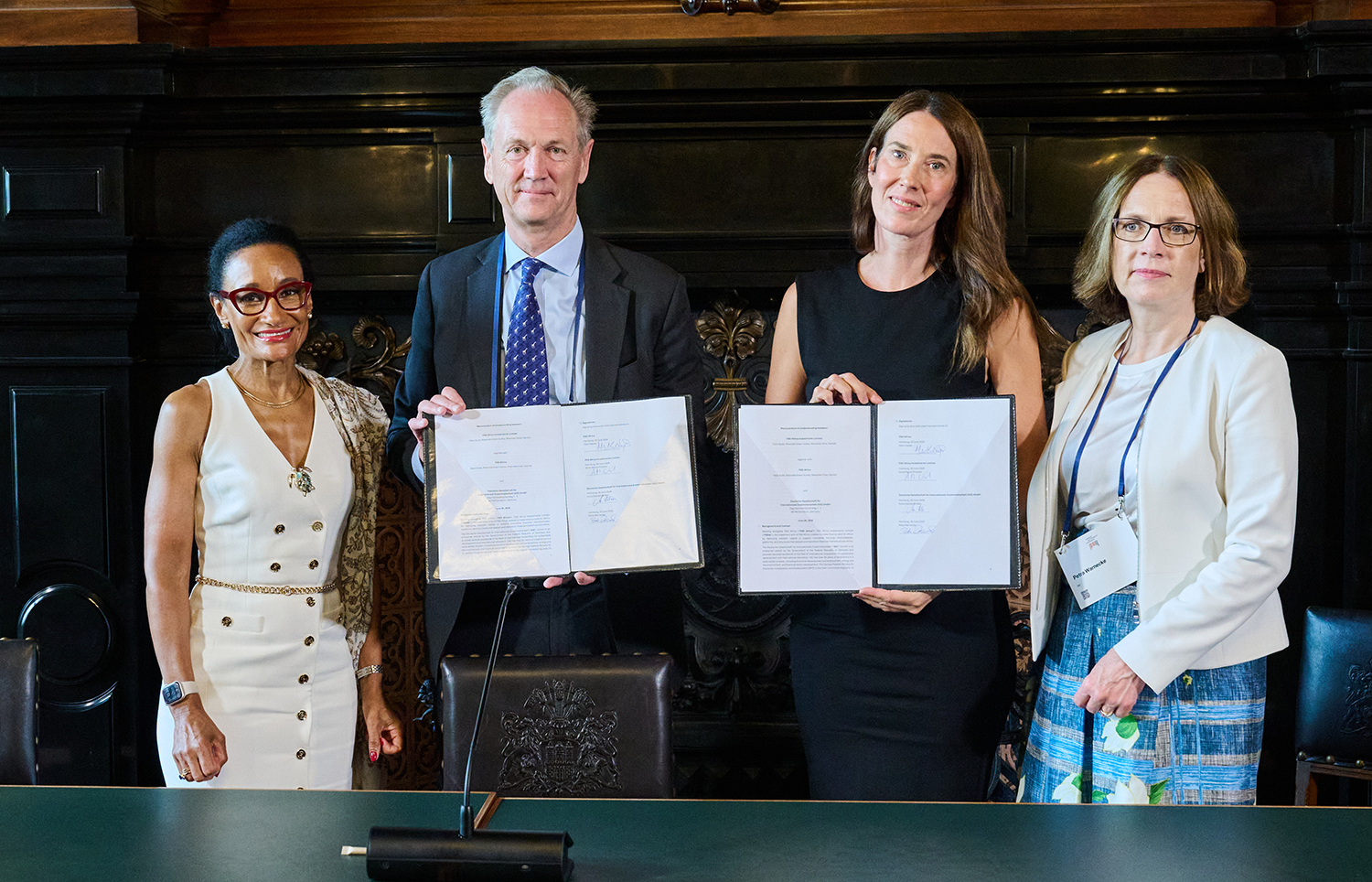
Hamburg, 1 July 2026FSD Africa, FSD Africa Investments (FSDAi) and Deutsche Gesellschaft für Internationale Zusammenarbeit (GIZ) GmbH have signed a Memorandum of Understanding that formalises a collaboration to help channel more investment into Africa’s real economy.

The partnership brings together complementary expertise in market development, investment and technical assistance to identify investment opportunities, develop financial solutions, connect African and European investors with opportunities across the continent, and strengthen financial markets that support investment in climate, nature, carbon markets and financial inclusion.

Together, the organisations will work to:

  • Develop investment opportunities by sharing pipelines, exploring co-investment opportunities and working together on priority transactions.
  • Mobilise capital by engaging institutional investors, development partners and funders from Africa and Europe to support investment in climate, nature, carbon markets and financial inclusion.
  • Design investment solutions by combining GIZ’s structuring expertise with FSD Africa’s market development experience and FSDAi’s investment capabilities.
  • Share knowledge and strengthen markets through joint research, thought leadership, market convenings and the dissemination of practical lessons.


The Memorandum of Understanding will initially run for three years, with regular reviews to assess progress and identify new areas for collaboration.

Mark Napier, Chief Executive Officer of FSD Africa, said:

” No single organisation has all the pieces needed to turn opportunities into investment at scale. GIZ brings technical expertise and strong European partnerships. We bring deep knowledge of African financial markets, experience designing investment solutions, and the ability to invest where markets are still developing. Together, we can help connect more investors with opportunities that might otherwise struggle to attract capital.”


Anna Sophie Herken, Managing Director of GIZ, said:

“Across Africa, there is a wealth of innovation, promising businesses, and attractive investment opportunities. What is often missing are the right financial structures connecting investors with these opportunities at scale. This Memorandum of Understanding creates a framework for deeper collaboration between FSD Africa, FSD Africa Investments, and GIZ allowing us to combine our respective strengths – from investment expertise and catalytic capital to technical assistance in market development and investor engagement. Together, we aim to mobilise more private capital from both domestic and international investors into Africa’s real economy and ensure that finance works more effectively for sustainable development, climate resilience, job creation and economic growth.”


For more information/queries on FSD Africa, FSDAi and GIZ, please contact:

FSD Africa

Mireille Ferrari, Director, Strategic communications

mireille@fsdafrica.org


GIZ

Anna-Sophia Elm, ICAMA Initiative, GIZ

anna-sophia.elm@giz.de


About Deutsche Gesellschaft für Internationale Zusammenarbeit (GIZ)

The Deutsche Gesellschaft für Internationale Zusammenarbeit (GIZ) GmbH is an enterprise owned by the Government of the Federal Republic of Germany that provides services worldwide in the field of international cooperation for sustainable development. GIZ has over 50 years of experience in a wide variety of areas, including economic development and employment, energy and the environment, and financial sector development. The German Federal Ministry for Economic Cooperation and Development (BMZ) is the main commissioning party. To foster successful interaction between development policy and foreign trade as well as mobilise private capital for sustainable development, GIZ also closely cooperates with the private sector. On behalf of the commissioning parties and together with its partners, GIZ works in over 120 countries to deliver flexible and effective solutions that offer people better prospects and sustainably improve their living conditions. For more information, visit: https://www.giz.de/en.

FSD Africa Investments backs iungo Capital to unlock East Africa’s missing middle

Nairobi, 30 June 2026 — FSD Africa Investments (FSDAi) today announced a US$1.25 million commitment in iungo Capital, a lender that provides growth financing to small businesses across East Africa. The investment will strengthen iungo’s capital base, enabling them to borrow more and accelerate lending to businesses that struggle to access finance. 

Small and growing businesses (SGBs) are the engines of East Africa’s economies. They drive employment, anchor local value chains in food, manufacturing and trade, and form the backbone of communities across Uganda, Kenya, Rwanda and Tanzania. Despite their outsized economic role, these businesses are systematically shut out of affordable finance: they are too large for microfinance yet still perceived to be too early and risky for traditional banks. 

iungo capital was built specifically to fill this gap. Operating across Uganda, Kenya, Rwanda, and Tanzania, iungo provides USD-denominated loans of USD 250,000 on average in a first round, pairing capital with targeted technical assistance to strengthen business performance and support long-term growth. Since its inception, iungo has deployed over US$25 million across +60 businesses, building a resilient and diversified portfolio with strong credit performance while supporting job creation and inclusive economic growth across the region. 

FSDAi’s investment is made through its Nyala Facility, which provides flexible capital to support innovative financing models and Alternative Local Capital Providers (ALCPs), using its catalytic position to crowd in follow-on investment from institutional investors. This catalytic approach, combining patient, long-term capital with active partnership and enhanced governance support, reflects FSDAi’s broader commitment to building stronger, more inclusive financial markets across Africa.  

The investment is expected to support the creation or preservation of 800 jobs across East Africa, finance at least 30 businesses over the investment period, many which are founded, owned, or led by women. 


Announcing the investment, FSDAi’s Chief Investment Officer, Anne-Marie Chidzero, said: 

“iungo is an important emerging capital allocator, demonstrating how locally rooted fund managers can address the persistent financing gap faced by small and growing businesses across East Africa. By combining deep market knowledge with flexible financing, iungo is building a credible and scalable form of finance for SGBs. FSDAi’s catalytic investment will help de-risk the opportunity, crowd in institutional capital and enable iungo to scale its proven model across the region.”

Roeland Donckers, iungo Capital’s Managing Partner, underscored the significance of the investment, stating:

“Over the past 10 years, iungo capital has consistently targeted the biggest segment of SMEs with unmet finance needs, a traditional segment where local banks and many impact investment funds have gradually moved away from. FSDAi’s investment will help us catalyse the growth of a proven model, not just by its capital and the structure of the same, but also by providing technical assistance and indicating investor confidence to the wider market.”


For more information/queries on FSD Africa Investments and iungo Capital, please contact:  

FSD Africa Investments  

Joyce Waihiga, Manager, Communications, FSDAi 

joyce@fsdafrica.org


iungo Capital 

Roeland Donckers, Managing Partner 

roeland@iungocapital.com 


About FSD Africa Investments (FSDAi) 

FSD Africa Investments (FSDAi) is a specialist financial sector investor established by FSD Africa and the UK’s FCDO to strengthen and deepen Africa’s financial markets. We bridge critical funding gaps by investing patient, risk-bearing capital in novel financial instruments, facilities, and intermediaries. Our strategic investments take on early risk, test new models and catalyse capital from others to gradually transition the financial sector to finance Africa’s economic resilience and growth. To date, FSDAi has committed £127 million from its £309m capital commitment to 21 investments, and has successfully exited three investments, one at 2x money. For more information, visit: www.fsdafrica.org/fsdai 


About iungo Capital 

iungo Capital B.V. is a Netherlands registered investment holding company that provides mezzanine debt financing to traditional SMEs across East Africa. In Uganda, Kenya, Rwanda, and Tanzania, iungo offers USD-denominated loans of up to US$500,000 in a first round, to businesses in labour-intensive sectors, including agri-processing and light manufacturing. Since inception, iungo has deployed over US$25 million across +60 businesses, pairing capital with targeted technical assistance to build resilient, high-impact portfolios that drive job creation and inclusive economic growth. Over 80% of iungo’s portfolio has been consistently 2X aligned.  For more information, visit: www.iungocapital.com 

FSD Africa to advise on the US$300 million Kenya Blue-Green Bond programme announced at the 11th Our Ocean Conference

Mombasa, Kenya, June 2026 – Jumuiya ya Kaunti za Pwani (JKP), the regional economic bloc representing Kenya’s six coastal counties, in partnership with the Nairobi Securities Exchange (NSE), FSD Africa, the United Nations Development Programme (UNDP), the Kenya Maritime Authority (KMA), and the Kenya Ports Authority (KPA), today announced the US$300 Million Kenya Go Blue-Green Bond Programme, a landmark sustainable finance initiative designed to mobilise long-term capital for Kenya’s blue economy and climate resilience priorities.

The Kenya Go Blue-Green Bond Programme seeks to unlock at least US$300 million for strategic investments in fisheries, aquaculture, maritime infrastructure, ports, coastal tourism, biodiversity conservation, blue carbon, climate resilience, sustainable coastal livelihoods, and value-added blue economy enterprises.

The Programme is expected to catalyse investment, create quality jobs, strengthen coastal value chains, expand opportunities for women and youth, support ecosystem restoration, and enhance the resilience of coastal communities while contributing to sustainable economic growth.

A key pillar of the Programme is the scaling of blue carbon initiatives, including mangrove restoration and conservation, to support biodiversity protection, carbon sequestration, ecosystem recovery, and community-based climate finance while advancing Kenya’s climate and sustainable development objectives.

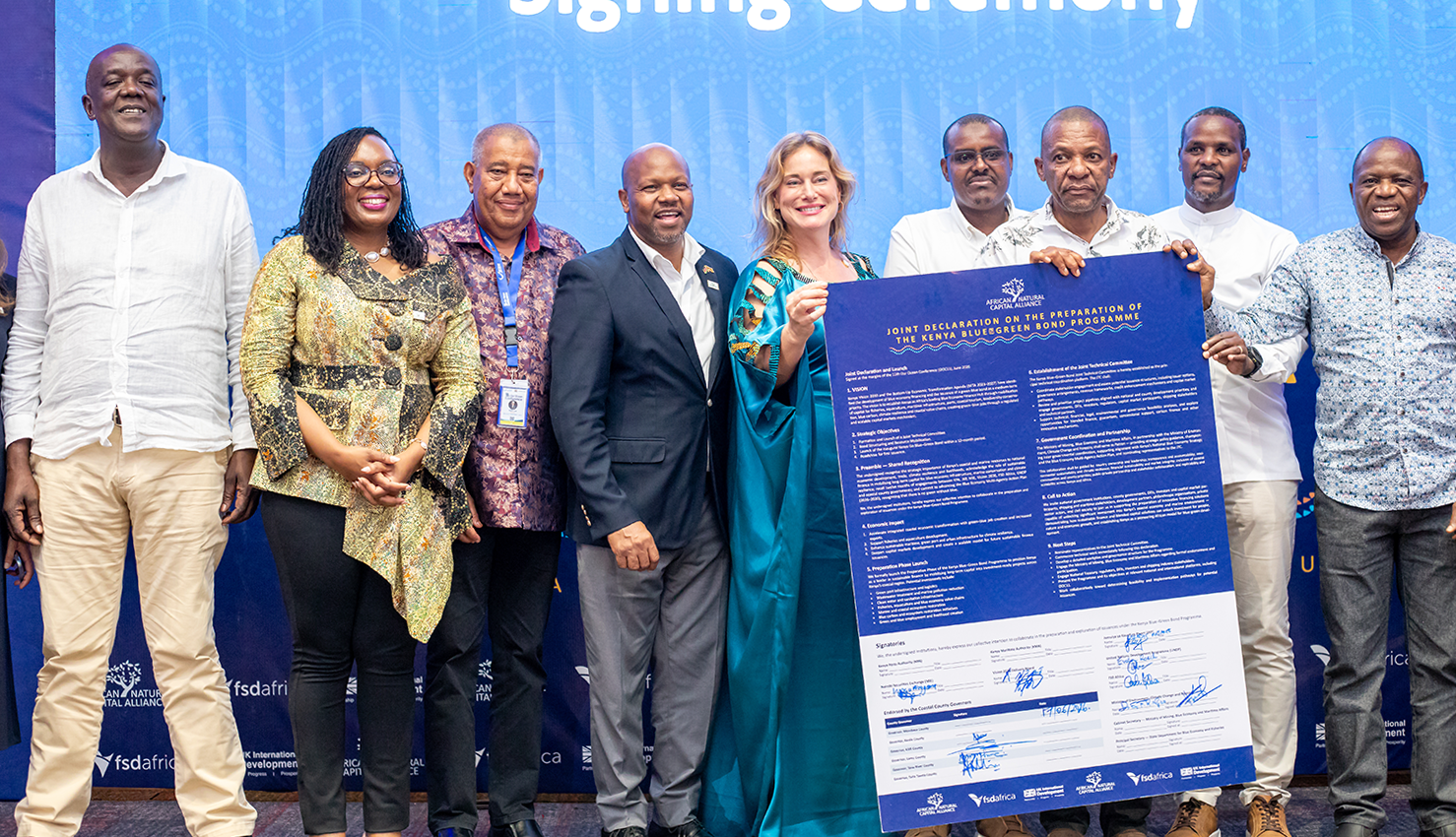
The announcement was made on the margins of the 11th Our Ocean Conference in Mombasa, where public institutions, development partners, investors, and private sector stakeholders signed a Joint Declaration establishing the Kenya Go Blue-Green Bond Joint Technical Committee. The Committee will lead programme preparation, project pipeline validation, investor engagement, resource mobilisation, governance design, feasibility assessments, and the development of an issuance roadmap.

The Programme is aligned with Kenya Vision 2030, the Fourth Medium-Term Plan (MTP IV), and the Bottom-Up Economic Transformation Agenda (BETA), which recognise the blue economy as a strategic frontier for economic growth, job creation, climate resilience, and sustainable development.

The initiative reflects the priorities articulated by H.E. President William Samoei Ruto during the 11th Our Ocean Conference, where he called for accelerated implementation of ocean commitments, increased investment in ocean-based adaptation, stronger regional collaboration, and practical solutions capable of translating commitments into tangible outcomes for communities, livelihoods, and ecosystems.

Building on this vision, Cabinet Secretary for Mining, Blue Economy and Maritime Affairs, H.E. Hassan Ali Joho, underscored the importance of mobilising innovative financing solutions to unlock the full potential of Kenya’s blue economy. He specifically called for the creation of an enabling investment environment to support blue bonds and other resource mobilisation strategies for ocean investment while accelerating investment in sustainable fisheries, coastal development, marine conservation, and ocean-based climate resilience initiatives.

Speaking on behalf of the coastal counties, H.E. Maj. (Rtd.) Dr. Dhadho Godhana, Governor of Tana River County and Chairman of Jumuiya ya Kaunti za Pwani, welcomed the initiative as a transformative platform for regional development.

“The Kenya Go Blue-Green Bond Programme provides a pathway to unlock long-term investment into coastal infrastructure, fisheries, aquaculture, tourism, environmental conservation, and climate resilience. It is about creating jobs, expanding economic opportunities, empowering women and youth, strengthening community livelihoods, and securing a sustainable future for Kenya’s coastal communities.”


Dr. Emmanuel Nzai, Chairman of the Kenya Vision 2030 Delivery Board and Chief Executive Officer of Jumuiya ya Kaunti za Pwani, described the Programme as a flagship financing platform for Kenya’s coastal transformation.

“This milestone marks the transition from strategy to execution. Through the Kenya Go Blue-Green Bond Programme, we are bringing together government, development partners, investors, and the private sector to establish a scalable financing platform capable of accelerating sustainable growth, strengthening climate resilience, restoring critical ecosystems, and improving livelihoods across Kenya’s coastal region.”


The Kenya Go Blue-Green Bond Programme has been accelerated through the Nairobi Securities Exchange’s Sustainable Finance Centre of Excellence, which has supported ecosystem convening, capacity building, investor readiness, sustainable finance structuring, project preparation, and strategic stakeholder engagement. As a member of the African Natural Capital Alliance, NSE is committed to advancing the protection of natural capital by providing a trusted platform for capital mobilization and fostering an enabling environment that promotes sound governance, transparency, and integrity in sustainable financing.

As the capital markets partner to the Programme, the Nairobi Securities Exchange will work with stakeholders across the capital markets ecosystem to develop robust capital pathways, strengthen issuer readiness, facilitate investor engagement, mobilise long-term domestic and international capital, and support future issuances under the Programme.

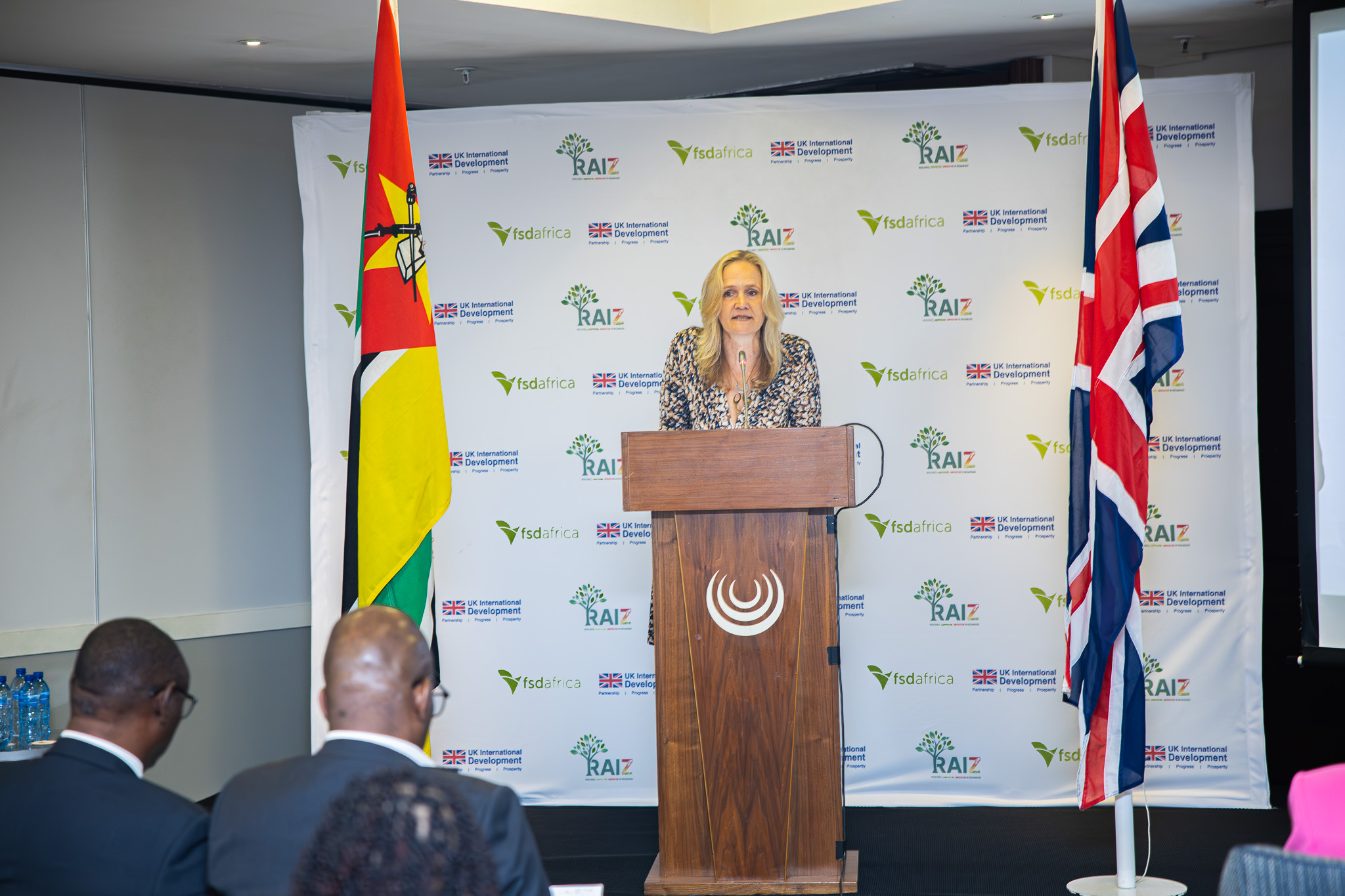
Cecilia Bjerborn Murai, Principal Specialist, Sustainable Finance at FSD Africa, welcomed the initiative as an important milestone for sustainable finance in Africa.

“The Kenya Go Blue-Green Bond Programme demonstrates how innovative capital market solutions can mobilise long-term investment for economic growth, climate resilience, and environmental stewardship. It represents an important step towards establishing a scalable African model for blue-green economy financing.”


FSD Africa and UNDP will provide sustainable finance expertise, technical assistance, capacity building, and resource mobilisation support throughout programme implementation.

The partners have committed to immediately commence programme implementation activities, including establishing governance structures, validating project pipelines, engaging regulators and strategic partners, mobilising technical assistance, and undertaking the feasibility and structuring work necessary to support future issuances under the Kenya Go Blue-Green Bond Programme.

The Programme will adopt an impact measurement framework aligned with international sustainable finance standards, tracking economic, social, climate, biodiversity, blue carbon, gender, and youth outcomes to ensure measurable benefits for communities, investors, and ecosystems.

Through the Kenya Go Blue-Green Bond Programme, Kenya is laying the foundation for a scalable African model for mobilising private capital into the blue economy, demonstrating how innovative finance can accelerate sustainable development, strengthen climate resilience, protect marine ecosystems, and create lasting prosperity for future generations.


About the Kenya go Blue-Green Bond programme

The Kenya Go Blue-Green Bond Programme is a collaborative initiative involving Jumuiya ya Kaunti za Pwani (JKP), the Nairobi Securities Exchange (NSE), the Kenya Vision 2030 Delivery Board, the Kenya Ports Authority (KPA), the Kenya Maritime Authority (KMA), FSD Africa, the United Nations Development Programme (UNDP), coastal county governments, development partners, investors, and other strategic stakeholders.

The Programme seeks to develop innovative financing mechanisms, including blue bonds, green bonds, and other sustainable finance instruments, capable of mobilising long-term capital for sustainable coastal and marine development while positioning Kenya as a leading hub for blue economy finance and advancing inclusive, climate-resilient growth.

Launch of green project preparation facility to unlock investment in climate infrastructure in Ghana

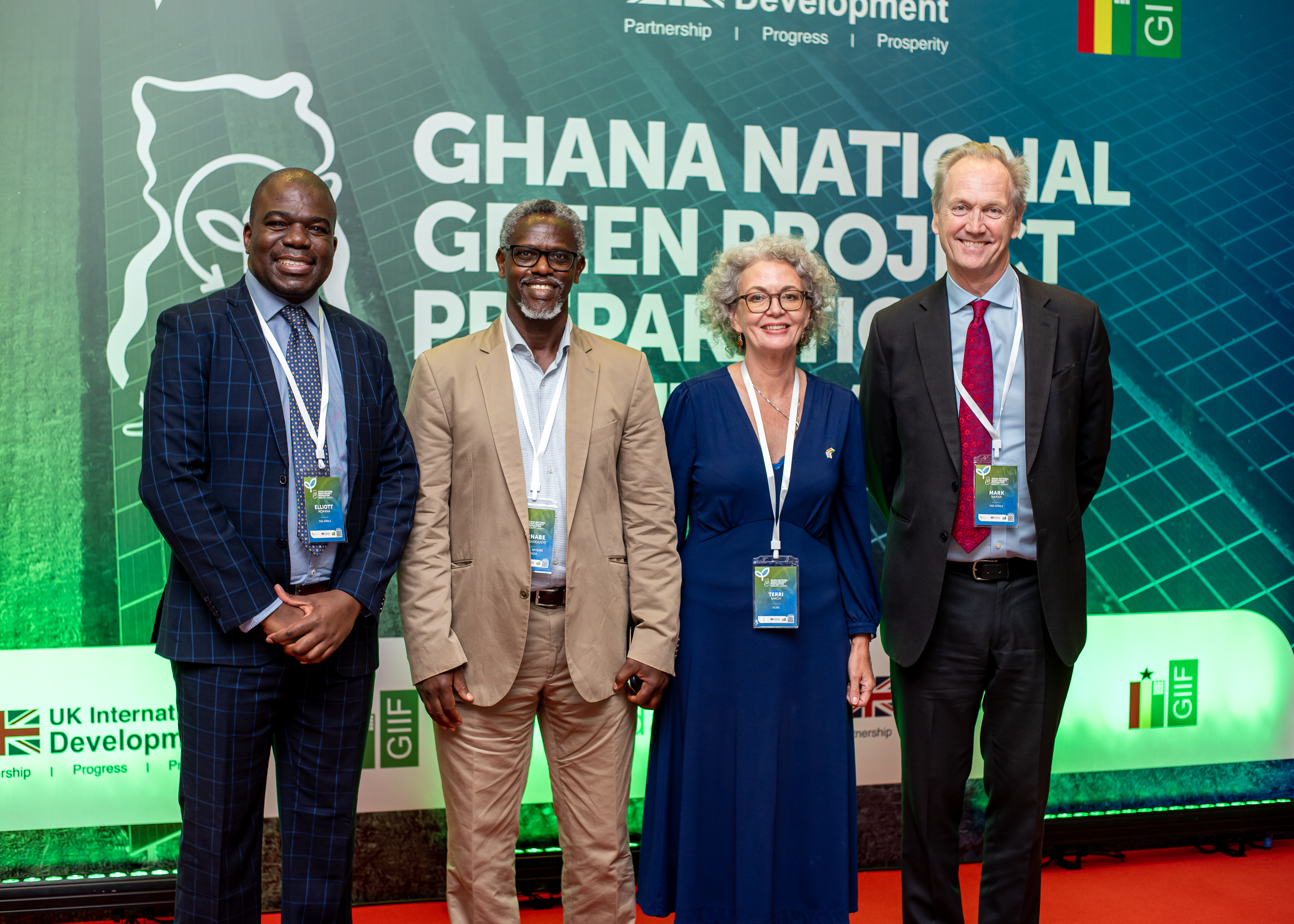
FSD Africa, the British High Commission, and the Ghana Infrastructure Investment Fund (GIIF) have launched a Green Project Preparation Facility (PPF) – a platform designed to bridge Ghana’s infrastructure financing gap by preparing climate-aligned projects for investment.

The Facility was formally launched yesterday evening in Accra. The PPF, initially capitalised with a commitment of GBP5mn from UK Government, was first announced during President H.E. John Dramani Mahama’s visit to the United Kingdom as part of the UK–Ghana Growth Partnership. The facility will be hosted and managed by FSD Africa, in partnership with GIIF. It is anticipated that the PPF will grow in size, with support from other development partners in due course.

The PPF seeks to build a robust investible pipeline of green infrastructure projects, reduce development risk and time to financial close, and mobilise private capital while strengthening national delivery systems.

Mr. Nana Dwemoh Benneh, Chief Executive Officer of the GIIF, highlighted the significance of the new Facility for Ghana’s broader climate investment agenda.

“We are delighted to be part of this important initiative with FSD Africa and sincerely grateful to the FCDO for its support in making this facility possible. The PPF is both timely and strategic. It presents a significant opportunity for GIIF and FSD Africa to collaborate in developing a robust pipeline of bankable, climate-resilient, and investment-ready infrastructure projects. By strengthening project preparation capabilities across both the public and private sectors, the facility has the potential to unlock much-needed climate and infrastructure finance, crowd in private capital, and accelerate Ghana’s transition towards a more resilient, low-carbon, and sustainable economy”.

The British Deputy High Commissioner to Ghana Ms. Terri Sarch reaffirmed the UK’s long-standing commitment to supporting Ghana’s economic development, emphasising that climate-resilient infrastructure is central to shared prosperity.:

“The UK–Ghana partnership is about turning shared ambitions into real results. Through the Green Project Preparation Facility, we are delighted to be partnering with FSD Africa and the Ghana Infrastructure Investment Fund (GIIF) to turn strong Ghanaian ideas into investable projects. Further, the PPF will help unlock much needed finance toward climate-resilient infrastructure, improving Ghana’s ability to tackle increasing challenges posed by climate change.” said Ms Sarch

Ghana, in common with many of its West African neighbours and global peers, faces intensifying climate impacts. Shifting rainfall patterns, rising sea levels and increased flood frequency place growing pressures on urban infrastructure, energy systems and rural livelihoods. Around a third of Ghana’s electricity generation relies on hydropower, directly exposed to drought and erratic rainfall, while over 40 per cent of the workforce depends on climate-sensitive agriculture. Ghana’s exposure to these shocks makes investment in climate-resilient infrastructure an immediate development priority.

FSD Africa is a specialist development agency working to make finance work for Africa’s future. Headquartered in Nairobi, they operate across more than thirty African countries through a range of funds, institutions, and projects. The PPF will be hosted and managed by FSD Africa, in partnership with the Ghana Infrastructure Investment Fund (GIIF). FSD Africa brings several years of direct in-country engagement, including advisory support to the Ministry of Finance on debt management and domestic capital market development, co-development of the Ghana Green Finance Taxonomy, capacity-building for the National Insurance Commission on ESG frameworks, and ongoing partnership with the GIIF to establish a dedicated Climate Sub-Fund.

Mark Napier, CEO of FSD Africa, welcomed the launch as a pivotal step for Ghana’s climate finance ecosystem:

“We are privileged to extend our collaboration with Ghana by hosting the Green Project Preparation Facility. We hope that the PPF will prove instrumental in crowding domestic private capital into a series of important projects that will add value to the economy and boost Ghana’s climate resilience. We look forward to the partnership with GIIF on this highly impactful initiative”.

The PPF is open to both public and private sector project developers working on climate-aligned infrastructure in Ghana. Projects will be assessed on the basis of their climate impact, financial viability and potential to attract investment, and are expected to cover a range of priority sectors, including renewable energy, waste and water management, urban infrastructure, transport, housing and social infrastructure.

An initial pilot cohort of projects is already in active preparation. The full PPF pipeline will be developed through a structured, transparent appraisal process in partnership with the GIIF and other Ghanaian stakeholders. Further details on eligibility criteria, the application process and contacts can be found at http://fsdafrica.org/

FSD Africa supports Fund Managers’ Association (FMA) of Kenya’s transition to Self-Regulatory Organisation (SRO) status

FSD Africa and the Fund Managers’ Association of Kenya (FMA) are pleased to announce a strategic partnership under which FSD Africa will provide financial and technical support to FMA as it embarks on a transformative journey towards becoming a Self-Regulatory Organisation (SRO).

As an SRO, the FMA will transition into a non-government organisation able to establish, monitor, and enforce industry standards and regulations. By tapping into best practices in the global fund management industry, FMA will support the regulator in ensuring that its members conduct themselves ethically and legally, helping protect investors and maintain market integrity. Ultimately, this will boost investor confidence in Kenya’s fund management industry, attracting even bigger investment through pooled funds. The initiative marks a significant milestone in the evolution of FMA, which has represented Kenya’s licensed fund management industry for the past 18 years. As Kenya’s capital markets continue to deepen and mature, FMA believes that pursuing SRO status is the next progressive step to strengthen industry standards, enhance investor confidence, promote professional excellence, and support the long-term development of the asset management sector.

FSD Africa’s support reflects a shared commitment to building stronger financial markets and mobilising long-term domestic capital to support economic growth and sustainable development.

Dr Evans Osano, Chief Financial Markets Officer at FSD Africa, said:

“A strong and well-governed asset management industry is critical to the growth and resilience of Africa’s financial markets. FMA has played an important role in advancing professionalism, stewardship and market development in Kenya’s investment management sector. We are pleased to support the Association as it explores the path towards SRO status, which has the potential to strengthen market integrity, improve industry standards and contribute to a more robust investment ecosystem.”

Nicholas Ithondeka, Chair of the FMA Council, said:

“This support comes at a defining moment for the Association. Over the past 18 years, FMA has evolved into a respected voice for the fund management industry. Pursuing SRO status represents a natural progression in our institutional development and demonstrates our commitment to raising standards, strengthening accountability and supporting the continued growth of Kenya’s capital markets.”

Fred Mburu, Chief Executive Officer of FMA, said:

“We are extremely pleased by FSD Africa’s affirmation of the important work and ambitions of the Association. This partnership is not only an investment in FMA as an institution, but also in the future of Kenya’s investment management industry. The journey towards SRO status reflects our members’ collective vision for a stronger, more professional and globally competitive asset management sector that serves investors and contributes meaningfully to national development.”

The project will involve stakeholder engagement, international benchmarking, technical assessments and the development of an implementation roadmap to evaluate and support the transition towards an effective self-regulatory framework.

Persistent Launches US$70 million Persistent Africa Climate Venture Builder Fund and $5 million Venture Building Facility

First published on persistnent.energy website, this press release is republished here to share insights with our broader community.


Persistent has launched the US$70 million Persistent Africa Climate Venture Fund (“Persistent ACV Fund”) with a first close of US$52 million and an additional initial $5 million Venture Building Facility.

The Persistent ACV Fund is an early-stage climate investment vehicle domiciled in Mauritius, focused on backing Africa’s most innovative and high-impact climate ventures. Beyond capital, the Fund leverages Persistent’s tailored Venture Building platform to accelerate the growth, operational maturation, and scale of its portfolio companies. The Fund aims to catalyze Africa’s Energy, Agriculture, and Resource Transitions. While its core strategy targets investments from pre-seed through Series A, the Fund retains the flexibility to provide later-stage follow-on capital to high-performing portfolio companies.Structured with a blended finance model, the Fund offers private investors first-loss and priority return protection. Its investment approach is further strengthened by integrated, bespoke Venture Building support, underpinned by a $5 million contribution-based Venture Building Facility (VBF).

The Partners of Persistent stated: “Achieving the first close of the Persistent ACV Fund is a strong show of confidence in Persistent and the Fund’s strategy. The first close demonstrates that early-stage climate innovation in Africa is investable at scale and that it presents a compelling opportunity for investors. We are excited to move into the investment phase as we continue to back entrepreneurs building businesses across Africa’s Energy, Agriculture and Resource Transitions. We are thankful for the trust that all our LPs, the contributors to our Venture Building Facility, and especially the entrepreneurs we will invest in, are putting in us.  We believe that the growing alignment between catalytic and commercial capital is essential to closing Africa’s climate financing gap, and we look forward to translating that alignment into disciplined execution, impact and long-term value creation.”


Driving impact through early-stage climate investment

The launch of the Fund comes against the backdrop of Africa facing a disproportionate share of climate risk while receiving only a small fraction of global climate financing. Early-stage climate businesses, in particular, struggle to access capital and operational support needed to scale and have substantial impact. The Persistent ACV Fund is designed to address this gap by combining equity investment with custom Venture Building services to enable climate ventures to move from early traction to scalable, impactful businesses. The Fund intends to achieve substantial climate, socio-economic, and gender impact in Africa over the lifetime of the Fund, targeting:

  • Over 17 million tons of CO2/GHG mitigated
  • Over 7 million overall beneficiaries (of which half will be female)
  • Over 60,000 direct jobs created (of which half will be female)
  • Over 400,000 people are economically impacted
  • Over 420,000 households with new or improved electricity connections
  • Over $450 million additional investment catalysed


The Persistent ACV Fund is managed by its General Partner, Persistent ACV GP Ltd., and advised by Persistent Energy Capital LLC, a U.S. venture capital firm with offices across Africa and Europe. The Fund was conceived by Persistent in collaboration with FSD Africa Investments (FSDAi), a specialist financial sector investor established by FSD Africa and the UK’s FCDO, and an Anchor Investor in the Fund. FSDAi invested $3 million in Persistent in 2022 and made an early pledge of a $10million anchor commitment to the Fund.  FSDAi’s initial investment was used to make investments in climate businesses that have been warehoused by Persistent for transfer to the Fund now that it is closed.


“Closing Africa’s climate financing gap requires more than capital. It requires the right fund managers, supported at the right moment, through structures that give other investors the confidence to follow.Our anchor commitment to the Persistent Africa Climate Venture Builder Fund is built on that logic: identifying early-stage climate fund managers with genuine potential, providing the catalytic capital they need to establish a credible track record, and ensuring our investment is structured in a way that mobilises far greater resources into Africa’s energy and climate transition.”

Anne-Marie Chidzero, Chief Investment Officer of FSDAi said.


Other Anchor Investors of the Fund are the Nordic Development Fund (NDF) and the African Development Bank’s Sustainable Energy Fund for Africa (AfDB SEFA).Additional Investors include: the Japan International Cooperation Agency (JICA)the Soros Economic Development Fund (SEDF)Impact Fund Denmark (IFDK)the Schmidt Family Foundation and the Cottier Donzé Foundation.


“As a catalytic investor, NDF is pleased to support the Persistent ACV Fund, providing concessional capital to early-stage climate initiatives. NDF also supports the Persistent ACV Venture Building Facility in its work to expand the African start-up landscape and establish promising climate ventures with strong sustainability and impact potential. Persistent has a strong track record in supporting local innovation and ownership through their Venture Building model, which they are now scaling beyond energy into other climate-relevant sectors, bringing clear value to the market. The Persistent ACV Fund’s specific focus on gender equality and local innovation aligns closely with NDF’s mandate, while its ambition to drive decarbonisation, strengthen community resilience, and improve access to essential products and services for underserved and marginalised communities across Africa reflects the impact we seek to achieve.”

stated, Satu Santala, Managing Director of NDF said.


“Catalytic capital is essential to unlock Africa’s climate innovation potential. We are pleased to partner with Persistent to strengthen a growing ecosystem of early-stage African climate innovators—entrepreneurs who are expanding energy access and driving the clean energy transition.”Shohei Hara, Senior Vice President of JICA stated, “The Persistent ACV Fund is the very first investment under the JICA Blended Finance Window, which was launched during the Ninth Tokyo International Conference on African Development (TICAD 9) in August 2025. We hope that this investment will showcase the mobilization of private capital through catalytic investment. By investing into the Persistent ACV Fund and underlying climate entrepreneurs, we would like to show our commitment to support African development consistent with pathways towards a  low-carbon future as well our commitment to gender-lens investments as a 2x challenge member in accordance with our Sustainability Policy.”

João Duarte Cunha, Manager of AfDB’s Renewable Energy Funds Division, stated.


“SEDF is proud to invest in Persistent’s Africa Climate Venture Builder Fund, which will help to scale early-stage climate solutions, unlock private capital, and build a resilient, climate-positive future for communities across the continent.”

Georgia Levenson Keohane, CEO of the Soros Economic Development Fund said.


“At Impact Fund Denmark, we work to mobilise capital where it can make a meaningful difference. With this investment, we are supporting entrepreneurs who are building solutions with real potential for both climate impact and long-term economic development in Africa.”

Says CEO Lars Bo Bertram, Impact Fund Denmark.


Custom venture building for faster and more sustainable growth

The $5 million contribution based Venture Building Facility (VBF) is funded by NDF and FMO, the Dutch entrepreneurial development bank. Through the VBF, Fund pipeline and portfolio companies can qualify to receive tailored company-building support in one or more areas, including finance, fundraising, strategy, ESG, technology, legal, and marketing. This support can be financed, in whole or in part, through the VBF.  VBF-supported Venture Building services will accelerate the building of successful businesses in which the Fund invests, deepen impact outcomes as well as reduce early-stage execution risk for the Fund.


“At FMO, a core pillar of our market creation strategy is supporting pioneering fund managers who are expanding access to finance in underserved markets across Sub‑Saharan Africa. These managers are essential to building robust investment pipelines and strengthening the broader entrepreneurial ecosystem. Persistent exemplifies this approach. By pairing early‑stage capital with hands‑on Venture Building, Persistent equips CleanTech companies across Africa to grow at their most critical stages. Through our Market Creation program, we are proud to back initiatives like this that broaden financial inclusion, accelerate climate‑positive innovation, and unlock sustainable economic opportunities across the continent.”

Andrew Shaw, Manager, Market Creation – Financial Inclusion at FMO, the Dutch entrepreneurial development bank added.


For more information, contact: damilola@persistent.energy


FSD Africa Investments and Allied Climate Partners commit $50 million in catalytic capital to anchor the African Transition Acceleration Fund (ATAF)

March 12, 2026 | Nairobi, KenyaFSD Africa Investments (FSDAi) and Allied Climate Partners (ACP) have jointly announced their combined anchor commitment of $50 million in catalytic capital to the first close of the African Transition Acceleration Fund (ATAF), a catalytic vehicle managed by African Infrastructure Investment Managers (AIIM). The fund, which is targeting $200 million, is designed to accelerate investment in Africa’s energy transition, vitalise economies, and create sustainable jobs. ACP and FSDAi are joined by the International Finance Corporation’s (IFC) Frontier Opportunities Fund; and several senior equity co-investors including the IFC, KfW, Proparco, and other private investors.

“Africa’s energy transition will not be financed by waiting for projects to become safe enough for conventional capital,” said Anne-Marie Chidzero, FSDAi’s Chief Investment Officer. “Someone has to go first. This partnership with ACP – and our anchor commitment to ATAF – is us going first.”

Across Africa, most infrastructure funds are not structured to commit significant capital to early-stage project development. As a result, promising opportunities stall before they can launch, scale, and reach bankability. ATAF was purposefully created through a structured market assessment and selection process to focus capital on this gap, and provide support to economically viable platforms and companies at the earliest and most critical stages of project development and company growth.

By anchoring the fund with catalytic capital, FSDAi and ACP aim to help close this gap, alongside partners. The fund seeks to invest in early-stage developers and companies looking to advance climate infrastructure projects toward bankability and scale across three core energy transition themes:

  • Clean electrons such as on-grid and off-grid renewables, energy efficiency, and transmission
  • Sustainable transport such as electric vehicles and low-carbon transport systems
  • Clean molecules such as green ammonia, fertilizers, and biofuels

With its pan-African strategy, ATAF will invest with a focus on accelerating projects, attracting and strengthening management teams, and building platforms capable of scaling and attracting commercial capital. The fund intends to generate meaningful environmental, economic, and social benefits, including tens of thousands of green jobs, emissions reductions, and expanded access to clean power, green fuels, and low-carbon transport.

This investment builds upon the partnership established in 2024 between FSDAi and ACP which brings together two mission-aligned and complementary investment organisations. FSDAi, backed by the UK’s Foreign Commonwealth and Development Office (FCDO), provides patient, risk-bearing capital and deep expertise in African financial market development. ACP, utilizing philanthropic capital, brings experience in architecting and anchoring catalytic climate investment funds with junior equity across emerging markets to promote sustainable development and positive climate outcomes. Together, FSDAi and ACP are backing ATAF to accelerate Africa’s energy transition, send a market signal, and help prove the model so more investors follow.

“ATAF is a testament to the power of purposeful partnership,” said Ahmed Saeed, CEO of Allied Climate Partners. “Together with FSDAi and others, we will empower ATAF to catalyse new markets and accelerate transformative infrastructure platforms and companies – creating jobs, powering economies, and strengthening communities across Africa at risk of the devastating impacts of a changing planet.”

ATAF will be managed by AIIM, one of Africa’s most experienced infrastructure investment managers with more than two decades’ experience investing across renewables, transport, and digital infrastructure on the continent. AIIM’s team of more than 40 locally-based investment professionals brings the execution capability and sectoral depth that early-stage energy transition investment demands. ATAF will be led by Lisa Pinsley, a seasoned investor with 18+ years’ experience investing in energy across Africa.

ATAF is the first investment of the FSDAi-ACP strategic partnership, and complements FSDAi’s wider portfolio of investments in African green growth, including InfraCredit Nigeria, the Acre Impact Fund, the Africa Local Currency Bond Fund (ALCB Fund), and ARM-Harith’s Africa Climate Transformation (ACT) Fund. Across these commitments, FSDAi’s consistent aim is to crowd in private capital and establish new financing channels for Africa’s energy and climate transition.

ATAF is ACP’s first catalytic investment in Africa. ACP has also supported SEACEF II (managed by Clime Capital) and the Green Investments Partnership (managed by Pentagreen) in Southeast Asia, and the Caribbean Community Resilience Fund (managed by Sygnus Capital) in the Caribbean.

FSD Africa Investments announces first investment in Nature-Based Solutions with US$2.5m commitment to West Africa Blue

Nairobi, July 2, 2025: FSD Africa Investments (FSDAi), the UK-backed specialist development finance investor, is investing US$2.5 million into West Africa Blue (“Blue”)’s blue carbon project in Sierra Leone’s Sherbro River Estuary (SRE). The investment was announced by the UK Foreign Secretary, the Rt Hon. David Lammy MP, at the Africa Debate in London on Wednesday 2 July 2025. FSDAi’s investment will contribute to the conservation and restoration of approximately 94,000 hectares of mangrove ecosystems across 11 chiefdoms. Working in close collaboration with local communities, the project will demonstrate the potential for blue carbon nature-based solutions to sustainably address climate change, protect biodiversity and build income diversification and economic development opportunities.

Mangrove ecosystems are powerful carbon sinks that combat climate change and build coastal resilience. Despite their promise, blue carbon projects struggle to raise private sector investment due to their complexity, extended timelines to scale and high execution risks. FSDAi’s early-stage investment will help de-risk the SRE project and demonstrate the feasibility of structuring financing facilities linked to carbon revenue, enabling project developers to transition from a dependence on scarce philanthropic and concessional funding towards a model that attracts commercial investment. This aligns with FSDAi’s broader mission to mobilise capital and promote development impact in underserved communities. The project is FSDAi’s first direct investment in a nature- based solution and will complement its existing portfolio that enables capital allocation to Africa’s green economic growth by backing existing asset managers and venture builders.

In addition to significantly reducing greenhouse gas emissions and protecting biodiversity, the project is expected to significantly empower the economic livelihoods of local communities. A core component of the project is the development of an innovative, equitable and transparent benefit sharing mechanism in consultation with communities and the government.

Announcing the investment, FSDAi’s Chief Investment Officer, Anne-Marie Chidzero said,

“This strategic US$2.5 million investment in West Africa Blue’s pioneering blue carbon project in Sierra Leone marks a significant step for FSDAi. As our first direct foray into nature-based solutions, it underscores our commitment to demonstrate the financial proposition to financing nature and creating economic opportunities for communities.”

Elizabeth Littlefield, Blue’s Senior Partner, said, “West Africa Blue is grateful for the support and partnership of FSDAi in this groundbreaking project which will be transformative for communities and the coastal ecosystem that is their home. With FSDAi’s support, we aim to set a high benchmark for quality, transparency and fairness including sharing our Benefit Sharing Agreement and other tools, in order to catalyze the nature-based solution market in Africa.”

About West Africa Blue
West Africa Blue (“Blue”) is a community-centric developer of high integrity, large-scale, blue carbon projects in West and Central Africa. Blue partners with local communities and governments to develop financially sustainable projects that seek to mitigate climate change, boost community resilience, and protect biodiversity. Based in Freetown, Sierra Leone, Blue has worked in the region for over a decade. Its flagship mangrove conservation and restoration project is in the Sherbro River Estuary of Sierra Leone, with a second project in Guinea and a pipeline of other, early-stage projects. Blue offers its projects as ‘Living Labs,’ sharing its lessons learned, tools, models and even its full Benefit Sharing Agreement, open source, to help develop the market for high integrity nature-based projects in Africa and beyond.
For more information, visit https://www.westafricablue.org/.

ARM-Harith and FSD Africa Investments Announce GBP 10m Commitment to Unlock Nigerian Pension Funds and Catalyse Local Capital for Infrastructure

FSD Africa Investments (FSDAi), the UK-backed specialist development finance investor, is investing GBP 10 million into ARM-Harith’s Climate and Transition Infrastructure Fund (ACT Fund) to unlock local institutional capital for climate infrastructure. ARM-Harith Infrastructure Investment Limited is a leading African private equity firm committed to catalysing economic growth through sustainable infrastructure.

ARM-Harith and FSDAi’s investment introduces an innovative solution to allow Nigerian pension funds to address a longstanding challenge in infrastructure equity finance: the ability to invest while receiving early liquidity. By enabling predictable interim distributions during the early phases of investment, this innovative facility directly addresses a key barrier that has historically deterred domestic institutional capital from entering the asset class.

In addition, 75% of the FSDAi facility will be provided in local currency — a first-of-its-kind approach specifically designed to mitigate the impact of foreign exchange volatility for pension funds. This structure is expected to unlock an additional GBP 31 million in pension fund contributions — nearly five times the participation achieved in ARM-Harith’s first fund.

FSDAi’s investment aligns with its broader mission to deepen African financial markets towards accelerating the financing of Africa’s green economic transformation and will support the Fund’s investments in climate-resilient infrastructure including energy, transport, water, and digital connectivity. In alignment with at least four of the UN’s Sustainable Development Goals, the initiative is projected to create or support approximately 3,000 green jobs.

The British Deputy High Commissioner in Lagos, Mr. Jonny Baxter said,

“The UK government, through its bilateral and investment vehicles is committed to continue to support the country’s financial sector — developing domestic capital markets as a means of financing priority sectors and driving economic development. Local currency capital helps mitigate the impact of foreign exchange volatility, narrows the financing gap, supports diversification into new asset classes and into climate-related projects and social sectors – while providing long-term funds to growing businesses.”

Announcing FSDAi’s investment, FSDAi’s Chief Investment Officer, Anne-Marie Chidzero said:

“We are thrilled to collaborate with ARM-Harith to showcase how risk-bearing capital from a market-building investor like FSDAi can be strategically structured to unlock domestic institutional capital. This approach strengthens Africa’s financial markets and facilitates capital allocation towards sustainable, green economic growth across the continent.”

ARM-Harith CEO Rachel Moré-Oshodi emphasized the significance of this investment:

“For too long, domestic pension funds have remained on the sidelines of infrastructure equity due to liquidity constraints and heightened perception of risk. We are proud to have collaborated with FSDAi to design a pioneering solution that reduces risk for pension funds while delivering both early liquidity and long-term capital growth. This is a global first—a groundbreaking private sector-led solution that could fundamentally change how infrastructure equity is financed—not just in Nigeria, but across Africa.”