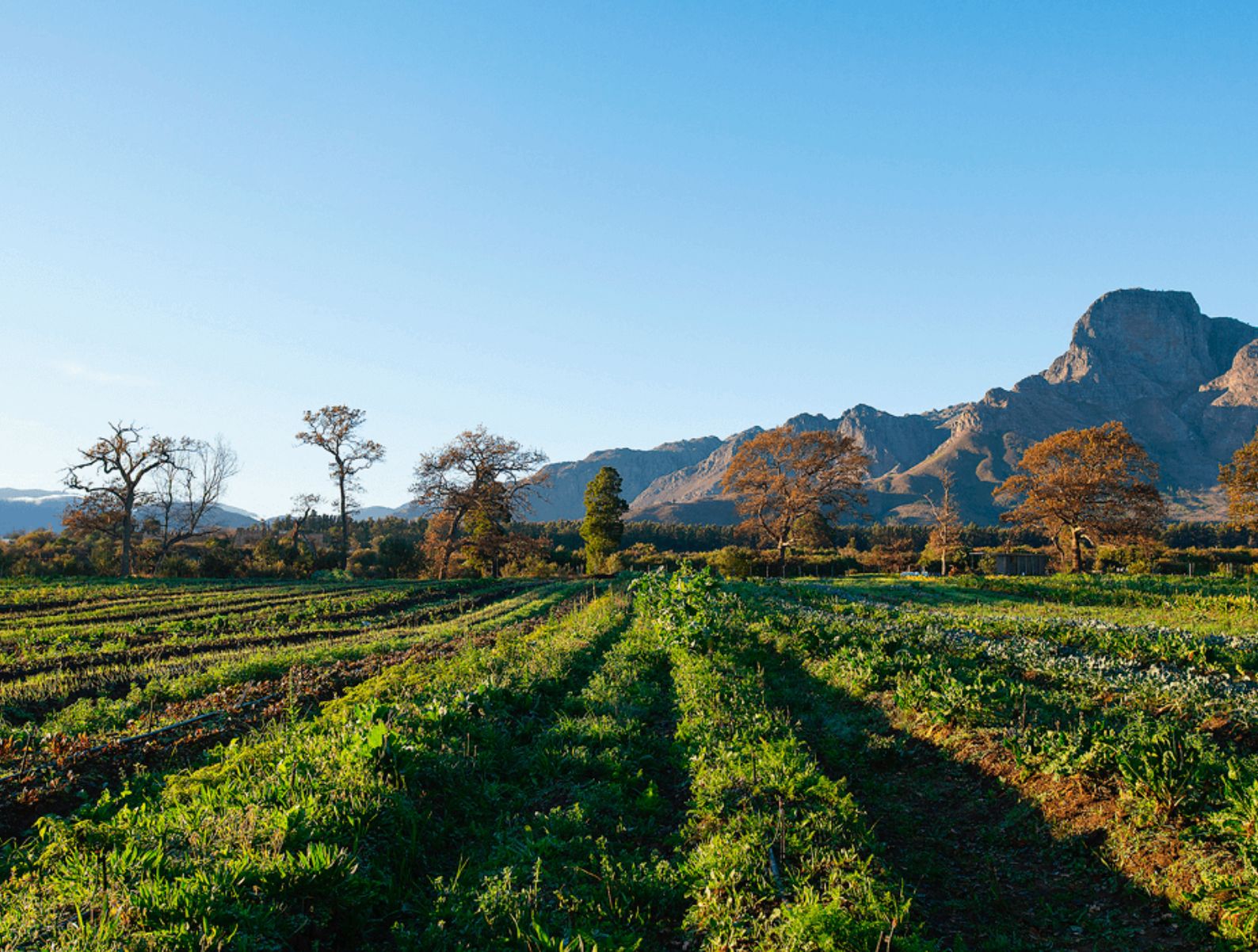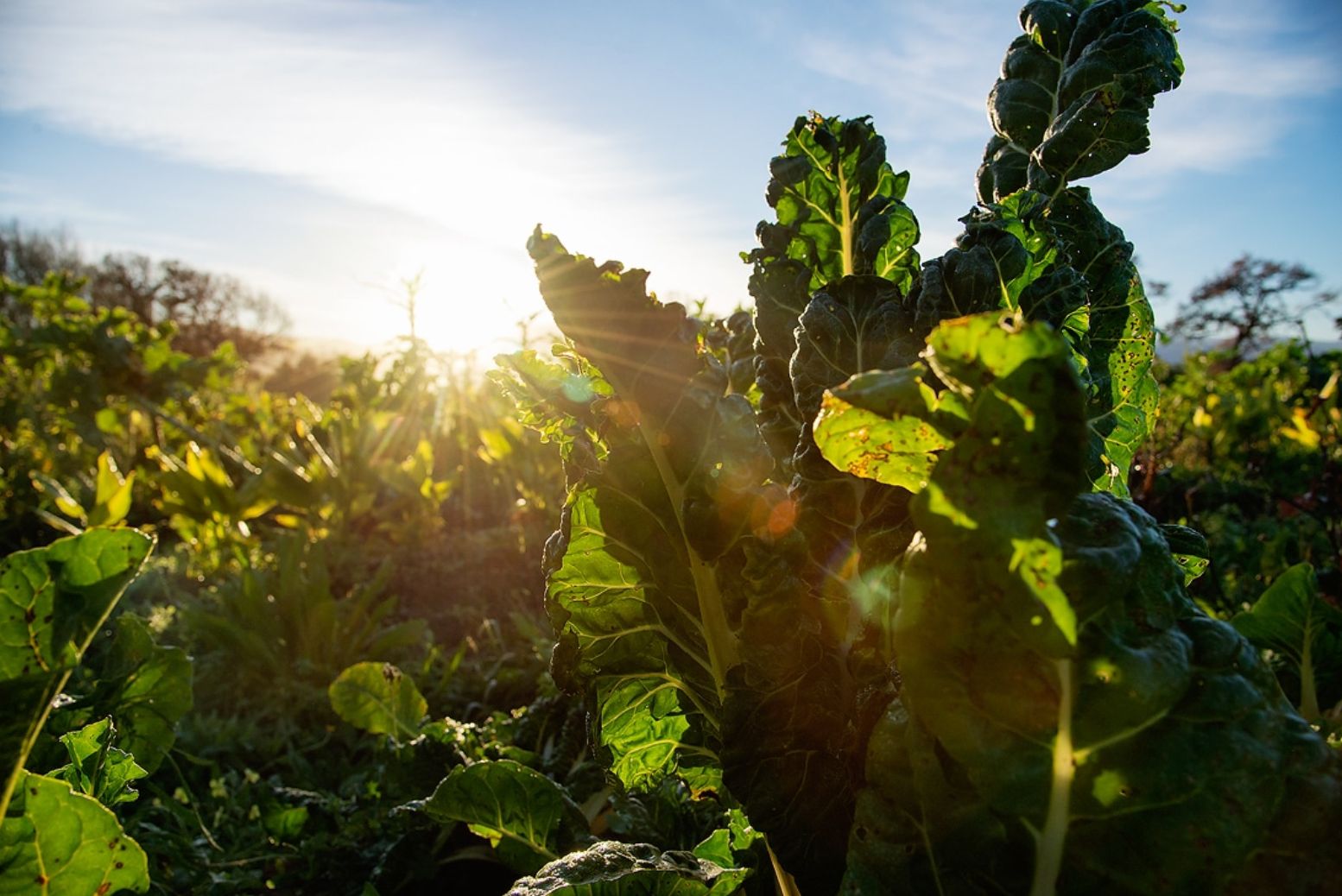
Across Africa, conversations about nature are still too often framed as a trade-off. Conservation versus growth. Ecosystems versus jobs. Sustainability versus industrialisation.
But that framing misses something fundamental. For many African economies, nature is not separate from development. It is the infrastructure development depends on.
Agriculture, fisheries, forestry, tourism and mining all rely on functioning natural systems. So do energy production, water security and export supply chains. According to the African Development Bank, an estimated 62% of Africa’s GDP[1] is moderately or highly dependent on nature and the services ecosystems provide. In many countries, agriculture alone employs more than half the workforce and remains central to export earnings, food security and rural livelihoods.
The idea that Africa must choose between development and nature is therefore a false one. Development-first is nature-first. This matters because the economic consequences of environmental decline are no longer theoretical. They are already being felt across the continent’s real economy.
This is already visible across African supply chains. Coffee and cocoa producers are dealing with changing rainfall patterns and declining soil quality. Horticulture exporters face growing pressure on water systems. Fisheries and tourism economies depend on healthy ecosystems that are becoming increasingly stressed. Across sectors, environmental degradation is raising costs, weakening productivity and making supply chains less reliable meaning nature loss is now a commercial risk.
The World Bank estimates that climate change could push up to 86 million Africans into internal migration by 2050[2], driven in part by pressure on water systems, declining agricultural productivity and ecosystem stress. Meanwhile, AFDB estimates that over 45% of the world’s degraded land is located in Africa[3], which undoubtedly has significant consequences for food systems and economic resilience.
Yet finance has not fully caught up with this reality. Globally, billions of dollars continue to flow into activities linked to deforestation, land degradation and unsustainable extraction, while “nature-first” enterprises, those which are working to restore landscapes, strengthen soil health or build more resilient supply chains, often struggle to access capital.
Part of the problem is perception. Nature-first enterprises are still frequently seen as niche, high-risk or difficult to measure. Investors are often more comfortable financing extractive models with familiar returns than businesses whose value depends on long-term resilience and natural capital.
But this is beginning to change. Investors are increasingly recognising that natural systems underpin productivity, stability and long-term economic performance in much the same way as roads, ports or energy infrastructure do.
The challenge now is building investable models that connect environmental resilience to commercial value.
Across Africa, there is no shortage of enterprises already working in regenerative agriculture, sustainable forestry, ecosystem restoration and resilient supply chains, meaning that as well as generating revenues they are also delivering improvements to the health of the soil and water as well as increased biodiversity. The bigger problem is that many remain stuck in the “missing middle”: too advanced for grant funding, but not yet structured in ways that mainstream investors understand or feel comfortable backing.
This is part of what initiatives such as the Nature-First Innovation Lab (NFIL), launched by FSD Africa in partnership with the African Natural Capital Alliance (ANCA) and Systemiq, are trying to test. NFIL is a new accelerator programme designed to help projects from across Africa, including Tanzania, Ethiopia and Malawi, that have already moved beyond concept or feasibility stage, to become investable, scalable businesses through a tailored package of capital and hands-on support. The pilot will focus on enterprises which have embedded regenerative practices into agricultural, blue (ocean and coastal) economy and broader natural‑resource supply chains. This includes, for example, regenerative agriculture projects, seaweed and aquaculture businesses, sustainable forestry, and other nature-first production systems that generate both commercial returns and measurable environmental benefits.
Importantly, the programme is focused on business models where the primary revenue stream is not carbon finance but rather the underlying products, services and supply chains themselves – for instance from being able to charge a premium for produce grown according to regenerative agriculture principles. While carbon markets continue to play an important role, they are already supported through dedicated initiatives such as FSD Africa’s Carbon Accelerator Programme for the Environment (CAPE), which focuses on high-integrity nature-based carbon projects. NFIL aims to help demonstrate that a wider range of nature-first business models can also become commercially viable and attractive to mainstream investors through the strength of their underlying products, services and supply chains. The ultimate aim is to demonstrate how nature-first business models can support both commercial returns and long-term resilience.
That evidence matters. Markets move when they can see viable examples, functioning transactions and measurable outcomes. Nature-first enterprise cannot remain a theoretical conversation held only in climate forums or policy documents. It needs to become part of how African economies think about competitiveness, productivity and long-term growth.
Africa also has an opportunity many advanced economies no longer do: the chance to build differently before environmental damage becomes even more expensive to reverse. Many wealthier economies developed through models that treated natural systems as effectively unlimited. They are now spending heavily to restore degraded land, polluted waterways and weakened ecosystems after decades of over-extraction. African countries are not locked into the same legacy systems. That creates an opportunity to build growth models that recognise nature not as a constraint on development, but as one of its foundations.
Putting nature on the balance sheet means recognising that healthy soils, functioning water systems and resilient ecosystems support jobs, exports, productivity and economic stability. It means understanding that environmental resilience and economic resilience are increasingly the same conversation.
Development-first is nature-first. The countries and investors that understand this early will be better placed to build growth that lasts.
[1] https://africa.businessinsider.com/local/markets/report-reveals-62-of-african-gdp-reliant-on-nature-services/1t4slt5
[2] https://www.worldbank.org/en/news/press-release/2021/09/13/climate-change-could-force-216-million-people-to-migrate-within-their-own-countries-by-2050
[3] https://www.afdb.org/en/topics-and-sectors/topics/desertification-and-land-degradation